Category: travel

Travel Information about South America.

  • Planning Your Trip to South America: Tips and Tricks for an Unforgettable Adventure

    Planning Your Trip to South America: Tips and Tricks for an Unforgettable Adventure

    Embarking on a journey to South America promises an unforgettable adventure filled with breathtaking landscapes, vibrant cultures, and rich history. From the towering Andes Mountains to the lush Amazon rainforest and the vibrant cities, this diverse continent has something to offer every traveler.
    To ensure a smooth and enjoyable trip, here are some tips and tricks to help you plan your South American adventure.

    Research and Itinerary Planning:
    South America is vast and diverse, so take the time to research the countries and regions you wish to visit. Determine your interests, whether it’s exploring ancient ruins in Peru, hiking in Patagonia, or experiencing the vibrant culture of Brazil.
    Create a flexible itinerary that allows you to make the most of your time while leaving room for spontaneous discoveries.

    Visa Requirements and Travel Documents:
    Check the visa requirements for the countries you plan to visit in South America. Some countries may require visas in advance, while others offer visa-free entry for certain nationalities.
    Ensure that your passport is valid for at least six months beyond your planned departure date and make copies of important travel documents.

    Health and Safety:
    Consult with a healthcare professional or travel clinic before your trip to South America. Some countries may require specific vaccinations or preventive medications. It’s also wise to research local safety guidelines, be cautious of your belongings, and stay informed about any potential travel advisories.

    Language and Communication:
    South America is home to various languages, with Spanish being the most widely spoken. Consider learning some basic phrases in Spanish or the local language of the country you’re visiting to enhance your interactions with locals.
    Having a translation app or a pocket dictionary can also be helpful.

    Money and Budgeting:
    Research the local currency of each country you plan to visit and familiarize yourself with the current exchange rates. It’s advisable to carry a mix of cash and a debit or credit card for convenience. Set a budget for your trip and be mindful of varying costs in different countries.

    Local Customs and Etiquette:
    Respect local customs and traditions when visiting South America. Familiarize yourself with basic etiquette, such as greetings, tipping customs, and appropriate clothing for religious or cultural sites. This will enhance your cultural immersion and help you connect with the local communities.

    Transportation and Getting Around:
    South America offers a range of transportation options, including domestic flights, buses, trains, and taxis. Research the most convenient and cost-effective modes of transport within each country.
    If you plan to explore remote areas or trekking destinations, consider booking transportation and accommodations in advance.

    Must-Visit Destinations:
    South America is home to countless breathtaking destinations. Consider including iconic sites such as Machu Picchu in Peru, the Amazon rainforest in Brazil, the Uyuni Salt Flats in Bolivia, the stunning Iguazu Falls on the Argentina-Brazil border, and the vibrant city of Buenos Aires, among others.
    Research off-the-beaten-path locations for unique experiences and hidden gems.

    Tips for Argentina:
    Tango into the Night: Embrace the passionate spirit of Buenos Aires by immersing yourself in the tango scene. Attend a live performance or even take a tango lesson to truly experience the magic of this iconic dance.

    Savor the Culinary Delights: Argentina is renowned for its succulent beef and excellent wine. Don’t miss the opportunity to indulge in a traditional asado (barbecue) and sample some of the country’s famous Malbec wines.

    Tips for Chile:
    Explore Patagonia: Discover the awe-inspiring landscapes of Torres del Paine National Park and the Perito Moreno Glacier. Embark on hikes, spot unique wildlife, and soak in the breathtaking beauty of one of the world’s most pristine wilderness areas.

    Taste the Wines: Chile’s wine regions, such as the Maipo Valley and Colchagua Valley, produce outstanding wines. Take a winery tour, sample their finest vintages, and learn about the winemaking process.

    Tips for Brazil:
    Experience Carnival: If you visit Brazil during Carnival season, immerse yourself in the vibrant parades, music, and street parties. Join the festivities in Rio de Janeiro, Salvador, or Recife for an unforgettable celebration.

    Explore the Amazon Rainforest: Head to Manaus or Iquitos and embark on an Amazon River cruise or jungle trek. Discover the incredible biodiversity, spot exotic wildlife, and learn about indigenous cultures.

    Tips for Colombia:
    Discover Cartagena’s Charm: Wander through the colorful streets of Cartagena’s Old Town, a UNESCO World Heritage site. Admire the well-preserved colonial architecture, visit historical sites, and savor the delicious local cuisine.

    Coffee Culture: Colombia is renowned for its coffee production. Take a coffee plantation tour in the Coffee Triangle region, learn about the coffee-making process, and enjoy freshly brewed Colombian coffee.

    Tips for Ecuador:
    Galapagos Islands: A visit to Ecuador is not complete without exploring the enchanting Galapagos Islands. Witness unique wildlife, snorkel with sea turtles, and marvel at the volcanic landscapes that inspired Charles Darwin’s theory of evolution.

    Quito’s Historic Center: Discover the historic center of Quito, the capital city. Explore the well-preserved colonial architecture, visit beautiful churches, and enjoy panoramic views from the Teleferico cable car.

    Tips for Peru:
    Explore Machu Picchu: A visit to Peru is incomplete without experiencing the awe-inspiring ruins of Machu Picchu. Plan your trip in advance, consider hiking the Inca Trail or take the scenic train ride to reach this iconic archaeological site.

    Discover Lima’s Culinary Scene: Lima has gained international recognition for its vibrant food scene. Indulge in ceviche, try the famous Peruvian roasted chicken, and explore the diverse culinary offerings in the capital city.

    Last tips for to travel to South America

    a. Start planning early. South America is a big continent with a lot to see, so it’s important to start planning your trip early. This will give you plenty of time to research your options and book your flights and accommodation.

    b. Be flexible with your itinerary. Things don’t always go according to plan, so it’s important to be flexible with your itinerary. If there’s a flight delay or your accommodations aren’t what you expected, don’t stress. Just roll with the punches and make the most of your trip.

    c. Be open to new experiences. South America is a land of contrasts, so be open to new experiences. You might try something you’ve never done before, like eating a new food or trying a new activity. You might even meet some new people and make some lifelong friends.

  • Exploring the Riches of Belize: A Fascinating Blend of History, Culture, and Natural Beauty

    Exploring the Riches of Belize: A Fascinating Blend of History, Culture, and Natural Beauty

    Belize, a small yet captivating country nestled on the eastern coast of Central America, is a hidden gem waiting to be discovered. With its lush rainforests, ancient Mayan ruins, vibrant culture, and stunning Caribbean coastline,
    Belize offers a diverse range of experiences for every traveler. In this report, we will delve into the history, population, languages, and provide valuable advice to make the most of your journey to this captivating destination.

    History:
    Belize boasts a fascinating history that dates back thousands of years. Once home to the ancient Mayan civilization, the country is dotted with impressive archaeological sites such as Caracol, Xunantunich, and Altun Ha.
    It later became a British colony known as British Honduras before gaining independence in 1981. The remnants of colonial architecture and cultural influences can still be seen in the charming towns and cities of Belize.

    Population and Cultural Diversity:
    With a population of approximately 400,000 people, Belize is a melting pot of cultures. The population comprises a mix of Maya, Mestizo, Garifuna, Creole, and various other ethnic groups, each contributing to the country’s vibrant tapestry of traditions, languages, and cuisines.
    The warm and welcoming nature of the Belizean people adds to the overall charm of the country.

    Languages:
    The official language of Belize is English, making it an easily accessible destination for English-speaking travelers.
    However, you’ll also hear a variety of languages, including Belize Creole, Spanish, Maya languages, and Garifuna, reflecting the country’s multicultural heritage.

    Natural Wonders and Adventure:
    Belize is renowned for its breathtaking natural beauty. From the dense jungles and wildlife-rich rainforests to the mesmerizing Belize Barrier Reef, a UNESCO World Heritage Site, there are endless opportunities for adventure and exploration.
    Snorkeling, diving, cave tubing, zip-lining, and hiking through national parks like Cockscomb Basin Wildlife Sanctuary are just a few of the activities that will leave nature enthusiasts in awe.

    Some of the top places to explore in Belize:

    Belize Barrier Reef: As one of the world’s most stunning coral reef systems, the Belize Barrier Reef is a paradise for snorkelers and divers. Explore colorful marine life, swim alongside nurse sharks and stingrays, and discover the Great Blue Hole, a natural wonder worth witnessing.

    Caye Caulker: This laid-back island paradise is known for its relaxed atmosphere and stunning beaches. Take a leisurely stroll along the sandy streets, enjoy fresh seafood, and soak up the Caribbean vibes. Don’t miss the opportunity to swim with gentle nurse sharks and rays at Shark Ray Alley.

    San Ignacio and the Cayo District: Located in western Belize, San Ignacio is the gateway to adventure. Explore ancient Mayan ruins such as Xunantunich and Cahal Pech, go tubing or canoeing through mystical cave systems like Actun Tunichil Muknal, and hike in the lush jungles of the Cayo District.

    Placencia: This charming coastal village offers a perfect blend of relaxation and adventure. Relax on pristine beaches, indulge in delicious seafood, and take part in thrilling activities like snorkeling, fishing, and even swimming with whale sharks (seasonal).

    Ambergris Caye: Belize’s largest island, Ambergris Caye, is a popular destination with vibrant nightlife, luxury resorts, and fantastic snorkeling opportunities. Explore the Hol Chan Marine Reserve, go deep-sea fishing, or simply unwind on the stunning beaches.

    Hopkins: Immerse yourself in the unique Garifuna culture in the coastal village of Hopkins. Experience traditional drumming and dancing, savor Garifuna cuisine, and enjoy the laid-back beach atmosphere.

    Lamanai: Venture deep into the rainforest to discover the ancient Maya city of Lamanai. Climb ancient pyramids, explore well-preserved structures, and keep an eye out for wildlife along the New River.

    Belize City: Although often overlooked, Belize City offers glimpses into the country’s history and culture. Visit the Museum of Belize, explore the historic Fort George area, and experience the bustling local markets.

    Best places to stay in Belize:

    Ambergris Caye: Ambergris Caye is the largest island in Belize and is home to some of the best beaches in the country. There are also a number of resorts and restaurants on the island, making it a great place to relax and enjoy the sun and sand.

    Caye Caulker: Caye Caulker is a smaller island than Ambergris Caye and is known for its laid-back atmosphere. There are a number of budget-friendly options on the island, making it a great place to stay if you’re on a tight budget.

    Placencia: Placencia is a peninsula on the mainland of Belize and is known for its beautiful beaches and lush jungles.
    There are a number of resorts and restaurants on the peninsula, making it a great place to relax and enjoy the natural beauty of Belize.

    San Ignacio: San Ignacio is a town in the Cayo District of Belize and is known for its Mayan ruins. There are a number of hotels and restaurants in San Ignacio, making it a great place to stay if you’re interested in exploring the Mayan culture.

    Belmopan: Belmopan is the capital of Belize and is located in the central part of the country. There are a number of hotels and restaurants in Belmopan, making it a great place to stay if you’re interested in exploring the history and culture.

    No matter what your budget or interests, you’re sure to find the perfect place to stay in Belize. With its beautiful beaches, lush jungles, and rich history, Belize is a country that has something to offer everyone.

    The principal cities in Belize are:

    Belmopan is the capital and largest city of Belize. It is located in the Cayo District, about 80 kilometers (50 miles) west of Belize City. Belmopan was founded in 1970 after Belize City was destroyed by Hurricane Hattie in 1961. The city is home to the National Assembly, the Supreme Court, and the offices of the government.

    Belize City is the former capital of Belize. It is located on the coast of the Caribbean Sea, about 17 kilometers (11 miles) from the border with Mexico. Belize City is the largest commercial center in Belize and is home to a variety of businesses, restaurants, and shops. The city is also home to a number of historical sites, including the Belize City Museum and the Fort George.

    San Ignacio is a town in the Cayo District of Belize. It is located about 50 kilometers (31 miles) west of Belize City. San Ignacio is a popular tourist destination and is home to a number of hotels, restaurants, and shops. The town is also home to a number of Mayan ruins, including the Cahal Pech and Xunantunich archaeological sites.

    Orange Walk Town is a town in the Orange Walk District of Belize. It is located about 70 kilometers (43 miles) north of Belize City. Orange Walk Town is a popular tourist destination and is home to a number of hotels, restaurants, and shops. The town is also home to a number of Mayan ruins, including the Lamanai archaeological site.

    Dangriga is a town in the Stann Creek District of Belize. It is located about 100 kilometers (62 miles) south of Belize City. Dangriga is the largest town in the Stann Creek District and is home to a variety of businesses, restaurants, and shops. The town is also home to the Garifuna Settlement Day celebrations, which are held each November.

    Punta Gorda is a town in the Toledo District of Belize. It is located on the coast of the Caribbean Sea, about 400 kilometers (250 miles) south of Belize City. Punta Gorda is the largest town in the Toledo District and is home to a variety of businesses, restaurants, and shops. The town is also home to the Toledo Cacao Growers Association, which promotes the production and sale of cacao from the Toledo District.

  • Hiking and Trekking in South America: Trails You Can’t Miss

    Hiking and Trekking in South America: Trails You Can’t Miss

    South America, a land of breathtaking landscapes and natural wonders, offers an unrivaled playground for adventure enthusiasts and nature lovers.
    From the rugged peaks of the Andes to the lush rainforests of the Amazon, this continent is a paradise for hikers and trekkers.
    In this article, we will explore some of the most spectacular trails in South America, where you can immerse yourself in the region’s rich biodiversity, stunning vistas, and vibrant cultures.

    The Inca Trail, Peru:
    The Inca Trail is a world-renowned trek that takes you on an unforgettable journey through the Peruvian Andes, culminating in the awe-inspiring ruins of Machu Picchu. This ancient footpath winds its way through breathtaking landscapes, rich in natural beauty and historical significance. In this guide, we will explore how to embark on this remarkable adventure, what to expect along the way, and the treasures that await you at the end of the trail.

    Getting There:
    To begin your Inca Trail adventure, you’ll first need to travel to Cusco, the gateway city to Machu Picchu. Cusco is well-connected by air and can be reached from major cities in Peru, as well as international destinations.
    From Cusco, you can arrange transportation to the trailhead, usually in the town of Ollantaytambo or Kilometer 82, where the trek commences.

    Permits and Guides:
    The Inca Trail is a popular route, and to preserve its fragile ecosystem, the Peruvian government strictly limits the number of visitors per day. It is imperative to obtain a permit in advance, especially during the high season (May to September). Hiring a licensed guide is mandatory, and they play a vital role in providing historical and cultural insights throughout the trek.

    Duration and Difficulty:
    The classic Inca Trail typically takes four days and covers approximately 43 kilometers (26 miles). It is considered a moderate to challenging trek, with several steep ascents and descents.
    A good level of fitness and acclimatization to the altitude is recommended. Altitude sickness can be a concern, so it’s advisable to spend a few days in Cusco before starting the trail.

    Highlights and Itinerary:
    The Inca Trail is more than just a hike; it is a journey through time and ancient history. Here is a brief overview of the trail’s highlights:

    Day 1: The trek begins with a gradual ascent, passing through stunning mountain landscapes and small archaeological sites. The first campsite is at Wayllabamba.

    Day 2: This is the most challenging day, as you ascend to the highest point of the trail, Dead Woman’s Pass (4,215 meters or 13,828 feet). Take in the breathtaking panoramic views before descending to the campsite at Pacaymayo.

    Day 3: Trek through diverse ecosystems, including cloud forests and high-altitude plains. Visit the archaeological sites of Runkurakay and Sayacmarca. The day ends at the campsite near Wiñay Wayna, where you can explore impressive Inca ruins.

    Day 4: Rise early and trek to Inti Punku, also known as the Sun Gate, to witness the magical sunrise over Machu Picchu.
    Descend into the ancient citadel and spend the day exploring its enigmatic ruins with your guide. Afterward, return to Cusco by train and relish in the memories of your remarkable journey.

    Essential Tips:

    Pack essentials such as sturdy hiking boots, comfortable clothing, a waterproof jacket, a hat, sunscreen, insect repellent, and a good-quality backpack.
    Stay hydrated and bring a reusable water bottle as there are refill stations along the trail.
    Pack snacks and energy bars to keep you fueled during the trek.
    Respect the environment by following the “Leave No Trace” principles and disposing of waste properly.
    Take it slow, especially during steep ascents, to allow your body to adjust to the altitude.
    Embrace the cultural experience by interacting with locals and learning about their traditions.


    Torres del Paine Circuit, Chile:
    Located in the breathtaking Torres del Paine National Park in Chilean Patagonia, the Torres del Paine Circuit is a challenging trek that rewards intrepid adventurers with jaw-dropping scenery. The 10 to 11-day circuit takes you around the iconic granite towers, through lush valleys, turquoise lakes, and impressive glaciers. Be prepared for changeable weather and embrace the raw power of nature in one of the world’s most remote and pristine wilderness areas.


    Santa Cruz Trek, Peru:
    Nestled in the Cordillera Blanca range of the Peruvian Andes, the Santa Cruz Trek offers an unforgettable journey through stunning alpine landscapes.
    This four-day trek takes you past sparkling lakes, snow-capped peaks, and vibrant wildflowers, showcasing the natural beauty of the region. Immerse yourself in the local Quechua culture, encounter llamas and alpacas, and marvel at the majesty of peaks like Alpamayo and Huascarán.


    More Trekking Places in South America

    Los Glaciares National Park, Argentina:
    Located south of the Andes in Argentina, Los Glaciares National Park is a fascinating UNESCO World Heritage Site that attracts adventurers and nature lovers alike.
    With vast glacial landscapes, towering glaciers, and rugged wilderness, this national park offers an immersive experience for those seeking awe-inspiring natural beauty. In this guide, we’ll tell you how to get to Los Glaciares National Park, what to do when you get there, and the captivating wonders that await you.

    Getting There:
    To access Los Glaciares National Park, you’ll typically fly into El Calafate, a charming town in the Patagonian region of Argentina.
    El Calafate has an international airport with regular flights from major cities in Argentina. From El Calafate, you can take a bus or arrange private transportation to reach the park’s main entrance.

    Experience the awe-inspiring wonders of Patagonia with 01Argentina Travel Agency! Embark on a breathtaking adventure departing from the vibrant city of Buenos Aires and immerse yourself in the untamed beauty of this captivating region.

    Perito Moreno Glacier:
    One of the park’s most iconic features is the Perito Moreno Glacier, a colossal ice formation that captivates visitors with its striking blue hues and dramatic displays of calving. Explore the network of well-maintained trails and walkways that offer breathtaking viewpoints of the glacier.
    For a closer encounter, consider taking a boat tour that allows you to marvel at the glacier’s towering walls from the water. Don’t miss the opportunity to witness and hear the thunderous cracks as chunks of ice break off and crash into the lake below.

    Fitz Roy Trek:
    For the avid hiker, Los Glaciares National Park offers the renowned Fitz Roy Trek, a challenging yet immensely rewarding adventure. The trail starts from the town of El Chaltén, known as the hiking capital of Argentina.
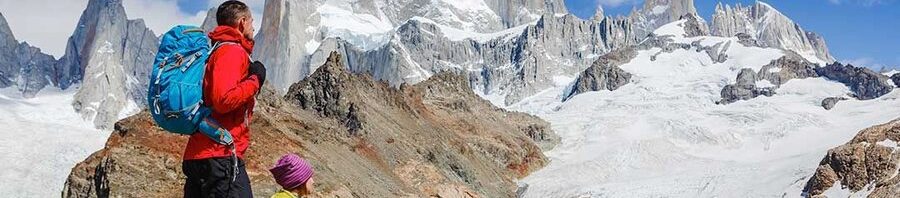
    The trek leads you through rugged mountain landscapes, crystal-clear rivers, and dense forests, culminating in stunning views of Mount Fitz Roy and the Cerro Torre. Hikers can choose between various trails of different lengths and difficulty levels, catering to both experienced trekkers and those seeking shorter day hikes.

    Ice Trekking on Perito Moreno Glacier:
    For an unparalleled glacial experience, consider embarking on an ice trekking excursion on Perito Moreno Glacier. Equipped with crampons and guided by experienced mountaineers, you can walk atop the glacier’s massive ice formations.
    Explore ice caves, and witness the sheer magnitude of this frozen wonderland. It’s a once-in-a-lifetime opportunity to intimately connect with the glacier’s beauty and power.

    Boat Tours:
    Cruising along the turquoise waters of Lake Argentino offers an excellent perspective of the park’s landscape. Take a boat tour to explore the Upsala and Spegazzini Glaciers, marvel at their towering walls, and witness the immense scale of these icy giants. The boat tours provide a unique vantage point to soak in the tranquility and grandeur of the surrounding landscapes.

    El Chaltén:
    Make sure to allocate some time to explore the charming village of El Chaltén, a vibrant hub for outdoor enthusiasts. The town offers a range of accommodations, restaurants, and equipment rental shops. Additionally, El Chaltén serves as the starting point for several other scenic hikes, including Laguna de los Tres and Laguna Torre, where you can witness breathtaking views of the region’s pristine lakes and jagged peaks.


    Colca Canyon, Peru:
    If you seek a different kind of hiking experience, head to Colca Canyon in Peru, one of the world’s deepest canyons. Trekking through this natural wonder allows you to witness the soaring flight of Andean condors and discover traditional Andean villages.
    The challenging trek takes you down into the canyon’s depths, where you’ll be rewarded with stunning landscapes, hot springs, and the chance to immerse yourself in the rich cultural heritage of the Colca Valley.


    Cocora Valley, Colombia:
    Nestled in the heart of Colombia’s coffee region, the Cocora Valley is a trekker’s paradise. Known for its towering wax palm trees, which can reach heights of up to 60 meters, this lush valley offers enchanting trails for all levels.
    Explore the cloud forests, cross picturesque rivers, and hike amidst the awe-inspiring landscapes. Don’t forget to sample the region’s famous coffee and immerse yourself in the vibrant local culture.


    Escape to paradise with our latest article on the 5 Best Caribbean Islands! Discover the idyllic beaches, vibrant cultures, and stunning natural beauty that these tropical gems have to offer.