Category: travel

Travel Information about South America.

  • Unveiling the Mystical of Machu Picchu: A Journey for World Travelers

    Unveiling the Mystical of Machu Picchu: A Journey for World Travelers

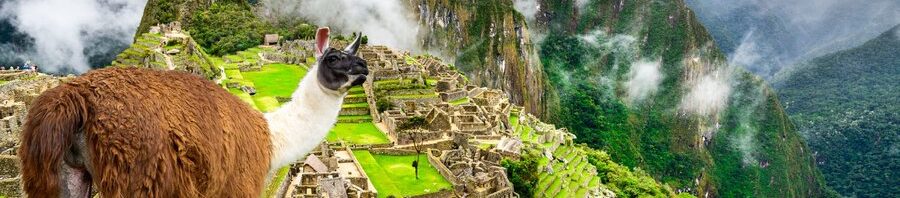
    Machu Picchu is one of the most popular tourist destinations in the world, and for good reason. The ancient Inca city is a marvel of engineering and architecture, and its stunning location high in the Andes Mountains is simply breathtaking.

    Snnugled high in the Andes Mountains of Peru, Machu Picchu stands as a testament to the ingenuity and architectural prowess of the ancient Inca civilization.
    This mystical citadel, known as the “Lost City of the Incas,” has captivated the imaginations of travelers and explorers for centuries.
    As a travel journalist and expert in all things extraordinary, I invite you to join me on a virtual journey to Machu Picchu, as we uncover its secrets and marvel at its timeless beauty.

    A Glimpse into Inca History:
    Machu Picchu, believed to have been built in the 15th century, served as an important center for the Inca Empire. Abandoned and forgotten for centuries, it was rediscovered by American explorer Hiram Bingham in 1911. Today, it stands as a UNESCO World Heritage site and is one of the New Seven Wonders of the World.

    Breathtaking Architecture:
    The architectural wonders of Machu Picchu in Peru are truly awe-inspiring. Its precise stone masonry, expertly carved terraces, and intricate structures showcase the Inca’s exceptional craftsmanship. The iconic Intihuatana, a ceremonial stone, reflects the Inca’s deep connection with astronomy and the sun.

    The Mystical Atmosphere:
    The aura of mystery and spirituality enveloping Machu Picchu is palpable. Nestled amidst verdant mountains, the site offers breathtaking panoramic views that seem to merge the earthly with the celestial. Visitors often describe a sense of tranquility and a connection to ancient energies while exploring the citadel’s ruins.

    The Peru Inca Trail Adventure:
    For adventurous souls, the legendary Inca Trail leading to Machu Picchu is a must-do experience. This four-day trek takes hikers through diverse landscapes, from high-altitude mountain passes to cloud forests.
    Along the way, trekkers encounter other Inca ruins, experience local culture, and immerse themselves in the region’s natural beauty.

    Surrounding Natural Splendor:
    Machu Picchu is not just an architectural wonder but also a gateway to the breathtaking beauty of the Peruvian Andes. Visitors can explore the Sacred Valley, with its lush agricultural terraces and vibrant local markets, or embark on a scenic train journey through the Andean highlands to the town of Aguas Calientes, the gateway to Machu Picchu.

    Sustainable Tourism and Preservation:
    Preserving the delicate ecosystem and cultural heritage of Machu Picchu is of paramount importance. The Peruvian government and local communities have implemented measures to ensure sustainable tourism, such as limiting daily visitor numbers and promoting responsible trekking practices.
    Travelers are encouraged to respect the site, follow designated paths, and engage with local guides to gain a deeper understanding of the region’s history and traditions.

    Getting to Machu Picchu in Peru as a tourist involves a few key steps.

    Here’s a guide on how to reach to Machu Picchu:

    International Travel:
    If you’re traveling from outside of Peru, your journey will likely begin with a flight to Jorge Chávez International Airport in Lima, the capital city of Peru. Many international airlines offer direct flights to Lima from major cities worldwide.

    Lima to Cusco:
    From Lima, you’ll need to travel to Cusco, the gateway to Machu Picchu. The most common way to reach Cusco is by domestic flight from Lima. Several airlines operate frequent flights between the two cities, with a flight duration of approximately one hour. It’s advisable to book your domestic flights in advance, especially during peak tourist seasons.

    Cusco to Aguas Calientes:
    Once you arrive in Cusco, you’ll need to make your way to the town of Aguas Calientes (also known as Machu Picchu Pueblo), which is the closest access point to Machu Picchu. There are two primary ways to reach Aguas Calientes:

    a. Train: The most popular option is to take a scenic train ride from Cusco or Ollantaytambo to Aguas Calientes. Two main train companies operate services to Aguas Calientes: PeruRail and Inca Rail. Trains offer various classes, from budget to luxury, and provide stunning views of the Andean landscape along the way.

    b. Trekking: For adventure seekers and hikers, the Inca Trail is a renowned option. The four-day trek begins at kilometer 82 (or kilometer 104 for a shorter version) and culminates at the Sun Gate, with Machu Picchu spread out before you. It’s important to note that permits are required for the Inca Trail, and it’s advisable to book well in advance due to limited availability.

    Aguas Calientes to Machu Picchu:
    From Aguas Calientes, you have two options to reach Machu Picchu:

    a. Bus: Regular shuttle buses operate between Aguas Calientes and the entrance of Machu Picchu. The bus ride takes around 30 minutes and involves a winding ascent up the mountainside. It’s recommended to purchase your bus tickets in advance to ensure availability, especially during peak seasons.

    b. Hiking: For the more adventurous and physically fit, you can choose to hike up to Machu Picchu from Aguas Calientes. The hike, known as the “Machu Picchu Montaña” or “Huayna Picchu,” offers stunning views but requires a separate permit. It’s essential to check availability and book in advance.

    Machu Picchu, Peru:
    Upon reaching this place, you’ll be greeted by the awe-inspiring ancient citadel. It’s advisable to hire a professional guide to enhance your experience and gain a deeper understanding of the site’s history and significance. Guided tours are available at the entrance.

    Remember to check the official website of the Ministry of Culture of Peru for the latest information on entry tickets, permits, and regulations.

    Once you arrive in Machu Picchu, there are a few things you definitely want to do:

    Explore the ruins: The ruins are incredibly well-preserved, and there’s something to see for everyone. Be sure to visit the Sun Gate, the Temple of the Sun, and the Main Plaza.

    Hike Huayna Picchu or Machu Picchu Mountain: These two mountains offer stunning views of the ruins and the surrounding countryside.

    Take a dip in the Sacred Pool: This natural pool is located just below the ruins, and it’s a great place to relax and cool off after a long day of exploring.

    Where to stay if you travel to Machu Picchu:

    There are a few different places to stay in. The most popular option is to stay in Aguas Calientes, the town at the base of the ruins. There are a variety of hotels and hostels to choose from, and most offer stunning views of Machu Picchu Mountain.

    If you’re looking for a more secluded experience, you can stay in one of the lodges that are located in the Sacred Valley. These lodges offer stunning views of the Andes Mountains, and they’re a great place to relax and escape the hustle and bustle of Cusco.

    Budget for travel to Machu Picchu:

    The cost of a trip to Machu Picchu will vary depending on your travel style and preferences. However, you can expect to spend around $1,000-$2,000 for a week-long trip. This includes the cost of transportation, accommodation, food, and activities.
    (price in american dollars, May 2023)

    By following these steps, you’ll embark on an unforgettable journey to Machu Picchu, where the wonders of the ancient Inca civilization await your discovery.
  • 5 Top Summer Ski Resorts in Chile

    5 Top Summer Ski Resorts in Chile

    Chile is a land of contrasts and offers visitors a variety of experiences throughout the year.
    Although it may seem contradictory, one of the best times to ski in Chile is during the summer months of December to March.
    The country is home to several world-class ski resorts, many of which are located in the majestic Andes Mountains.
    Here are the top five summer ski resorts in Chile that you won’t want to miss.

    Portillo Ski Resort
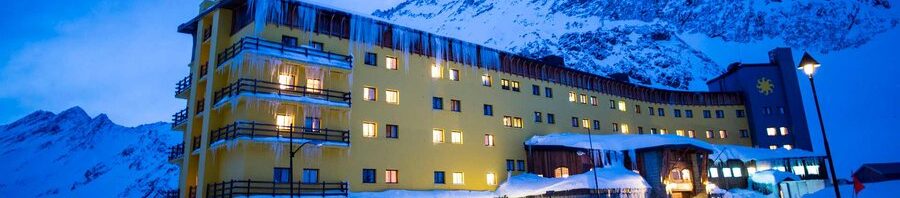
    One of the most renowned ski resorts in Chile, located in the Andes Mountains, just two hours from Santiago. It is a stunning destination that offers breathtaking views and a unique skiing experience. Portillo is a world-class ski resort with a long history of providing exceptional service and memorable experiences to skiers from around the globe.
    One of the most unique things about Portillo is that it is a ski-in, ski-out resort. This means that you can ski from your doorstep to the lifts without ever having to walk on the snow. The resort has 35 runs of varying difficulties, ranging from beginner to expert, which makes it a perfect destination for skiers of all levels. The resort’s terrain is also a great choice for off-piste skiing, with numerous backcountry options and the opportunity to heli-ski.
    In addition to skiing, Portillo offers a range of activities, including snowboarding, ice skating, and snowmobiling. The resort also has a heated outdoor pool with a view of the Andes Mountains, which is a popular spot for guests to relax after a day on the slopes.
    The resort has five restaurants, all of which offer delicious and varied cuisine options, from international dishes to traditional Chilean food.
    Portillo has a long-standing tradition of excellence in the hospitality industry. The resort has been operating since 1949 and has hosted numerous ski championships and events, including the 1966 Alpine Skiing World Cup and the 2006 South American Ski Championships. The resort’s commitment to providing excellent service and unforgettable experiences is reflected in its long list of satisfied guests, many of whom return year after year.
    Overall, Portillo is a must-visit destination for anyone looking to experience skiing in Chile. Its exceptional skiing terrain, unique ski-in, ski-out accessibility, and unparalleled hospitality make it a top choice for skiers from around the world. Whether you’re a beginner or an expert skier, Portillo has something to offer everyone. So, pack your bags and head to Portillo for an unforgettable skiing adventure.

    Valle Nevado Ski Resort
    One of the most popular ski resorts in Chile, located in the heart of the Andes Mountains just outside of Santiago. It’s a paradise for skiers and snowboarders, with over 7,000 acres of skiable terrain and a range of runs suitable for all levels, from beginner to expert.
    The resort boasts 44 runs, 16 lifts, and a vertical drop of over 3,000 feet, making it one of the largest ski resorts in South America. The snow quality is exceptional, with an average snowfall of 300 inches per year, and the season typically runs from late June to late September.
    Valle Nevado is also known for its world-class facilities, including luxury accommodations, fine dining restaurants, and a lively apres-ski scene. The resort offers a range of lodging options, from hotels to condominiums, all with stunning views of the surrounding mountains.
    For those looking to improve their skiing or snowboarding skills, Valle Nevado offers a variety of lessons and clinics, including private and group lessons for adults and children. The resort also has a terrain park and halfpipe for freestyle enthusiasts.
    Beyond skiing and snowboarding, Valle Nevado offers a range of activities, including snowshoeing, heli-skiing, and snowmobiling. The resort also has a spa and fitness center for those looking to relax and unwind after a day on the slopes.

    El Colorado Ski Resort
    A popular ski resort located in the Andes Mountains of Chile. It is located about 50 kilometers from the capital city of Santiago, making it an accessible destination for locals and tourists alike. The resort has over 1,000 hectares of skiable terrain, ranging from beginner to advanced level runs, making it a great destination for all levels of skiers and snowboarders.
    One of the unique features of El Colorado is its location in the Andes Mountains, which provides skiers with breathtaking views of the surrounding peaks and valleys. On clear days, visitors can see all the way to Santiago and the Pacific Ocean in the distance.
    The resort’s high elevation, ranging from 2,400 to 3,333 meters, ensures good snow conditions throughout the season, which typically runs from June to October.
    El Colorado offers a range of services to visitors, including ski and snowboard rentals, lessons, and guided tours. The resort has a variety of restaurants and bars, as well as accommodation options ranging from budget-friendly hostels to luxury hotels. Additionally, the resort offers non-skiing activities such as tubing, snowshoeing, and snowmobiling.

    Nevados del Chillan Ski Resorts Chile

    Nevados de Chillan Ski Resort
    A world-renowned ski resort located in the Andes Mountains of Chile. It is known for its vast terrain, natural hot springs, and breathtaking views of the surrounding mountains and forests. The resort is situated near the small town of Las Trancas, which is a popular destination for tourists seeking adventure and relaxation in a natural setting.
    Nevados de Chillan boasts over 1,000 hectares of skiable terrain, making it one of the largest ski resorts in South America. With over 30 runs, there is something for everyone, from beginner to expert skiers and snowboarders.
    The resort has a variety of lifts, including chairlifts and gondolas, which provide access to the diverse terrain.
    The ski season at Nevados de Chillan typically runs from late June to early October, with the best snow conditions usually found in July and August.
    One of the unique features of Nevados de Chillan is its natural hot springs, which are located at the base of the resort. After a day on the slopes, visitors can relax in the hot springs, which are known for their therapeutic properties.
    There are also several spas and wellness centers in the area, offering massages, facials, and other treatments to help guests unwind and rejuvenate.
    For those who are not interested in skiing or snowboarding, Nevados de Chillan offers a variety of other winter activities, such as snowshoeing, cross-country skiing, and snowmobiling. There are also opportunities for hiking and mountain biking in the summer months, when the snow has melted and the landscape is lush and green.

    La Parva Ski Resort
    Located just an hour’s drive from Santiago, La Parva ski resort is one of Chile’s premier winter destinations. With over 15 lifts and 30 runs, the resort offers something for everyone, from beginner to expert skiers and snowboarders. The resort has a maximum altitude of 3,630 meters, making it one of the highest in the country, and its location in the Andes guarantees some of the best snow conditions in the world.
    One of the standout features of La Parva is its terrain parks, which have been designed to challenge even the most experienced riders. The resort has several parks catering to different levels of ability, with features ranging from beginner boxes and rails to massive jumps and halfpipes.
    The resort’s expertly groomed trails make for excellent skiing and snowboarding, while its off-piste areas offer some of the best powder runs in the region.
    La Parva also offers plenty of options for non-skiers, with activities such as snowshoeing, ice-skating, and tubing available. There are also a variety of restaurants and bars, offering delicious food and drinks with stunning mountain views. Accommodation is available in a range of options, from luxurious apartments and condos to more budget-friendly options.

    Other Ski Resorts in Chile

    Portillo: Located about two hours from Santiago, Portillo is one of the oldest and most famous ski resorts in South America. It offers a range of skiing terrain, from beginner to expert, and has a reputation for excellent powder skiing.

    Valle Nevado: This resort is located in the heart of the Andes Mountains and is the largest ski resort in Chile. It offers over 7,000 acres of terrain for all levels of skiers and snowboarders, including some of the best off-piste skiing in South America.

    El Colorado: El Colorado is a popular ski resort located in the Andes Mountains, about an hour’s drive from Santiago. It is known for its wide variety of terrain, including a large freestyle park, and its proximity to other ski resorts in the area.

    Nevados de Chillan: Located in the Bio Bio region of southern Chile, Nevados de Chillan offers skiers and snowboarders over 1,400 acres of skiing terrain and 28 lifts. It is also known for its natural hot springs, making it a great destination for après ski relaxation.

    La Parva: La Parva is a high-end ski resort located in the Andes Mountains, about an hour and a half from Santiago. It offers a range of terrain for all levels, including some of the steepest runs in South America, and has a reputation for excellent grooming and snow conditions.

    Overall, Chile offers some of the best skiing in South America, with a wide range of terrain and amenities for all types of skiers and snowboarders. Whether you’re looking for powder skiing, freestyle parks, or après ski relaxation, Chile’s ski resorts have something to offer.
    Ski resorts in Chile offer a unique blend of breathtaking landscapes and world-class skiing experiences. From the majestic Andes mountains to the diverse range of slopes suitable for all skill levels, ski resorts in Chile are not just about the sport but also about embracing the stunning natural beauty of the region.
    Whether you’re a seasoned skier or a beginner, the ski resorts in Chile promise an unforgettable adventure with their exceptional facilities and picturesque settings.
    In this article you can read about how to rent a car south america with the list of best companies.

  • Exploring the Amazon Rainforest in South America

    Exploring the Amazon Rainforest in South America

    Welcome to the Amazon Rainforest, a mesmerizing world of untamed wilderness and unparalleled natural beauty that spans across nine South American countries.
    Covering over 5.5 million square kilometers, the Amazon Rainforest is not only the largest tropical rainforest on Earth but also one of the most biodiverse regions, harboring an astonishing array of plant and animal species.
    Exploring this ecological marvel is a dream come true for adventure seekers and nature enthusiasts alike, offering a chance to immerse oneself in a realm of wonder and discovery.
    In this comprehensive guide, we invite you to join us on an unforgettable journey through the Amazon Rainforest, where you will uncover hidden treasures, witness extraordinary wildlife, and forge a profound connection with the heartbeat of the planet.

    Choosing Your Entry Point:
    The Amazon Rainforest spans across multiple countries in South America, each offering its own unique entry points and experiences. Deciding on the right entry point for your Amazon adventure is essential to ensure you make the most of your journey. Here are some considerations to help you choose the best entry point:

    Manaus, Brazil:
    Manaus, the capital of the Brazilian state of Amazonas, is a popular starting point for exploring the Brazilian Amazon. With its modern infrastructure and well-developed tourism industry, Manaus provides convenient access to the heart of the rainforest.
    From here, you can embark on river cruises along the Amazon River, visit wildlife-rich reserves such as the Mamirauá Sustainable
    Development Reserve, or venture deeper into the jungle to experience remote communities and pristine habitats. Manaus also offers a range of accommodations, from luxury riverfront hotels to eco-lodges nestled in the jungle.

    Iquitos, Peru:
    Located in the northeastern region of Peru, Iquitos is the largest city in the world inaccessible by road. This bustling riverine city serves as a gateway to the Peruvian Amazon and offers a distinct cultural experience. From Iquitos, you can embark on unforgettable Amazon river cruises, visit protected areas like Pacaya-Samiria National Reserve, or venture into remote indigenous communities.
    The city itself has a vibrant atmosphere, with bustling markets, floating houses, and a rich heritage shaped by the rubber boom era. Choose from a range of accommodations, including lodges and luxury riverboats, to suit your preferences.

    Leticia, Colombia:
    Leticia, located in the southernmost part of Colombia, is another popular entry point to the Amazon Rainforest. Situated at the meeting point of Colombia, Peru, and Brazil, Leticia offers a unique cross-border experience.
    From here, you can explore the Colombian Amazon, visit indigenous communities, and embark on wildlife excursions. The nearby Amacayacu National Natural Park showcases the region’s diverse flora and fauna, while the Yahuarcaca and Tarapoto lakes offer opportunities for birdwatching and piranha fishing.
    Leticia provides a range of accommodations, including rustic lodges and eco-friendly resorts.

    Other Entry Points:
    In addition to Manaus, Iquitos, and Leticia, there are alternative entry points to consider. For instance, Puerto Maldonado in Peru provides access to the southern Amazon, where you can explore the Tambopata National Reserve and experience canopy walkways.
    The Ecuadorian Amazon, accessible from cities like Coca and Tena, offers a different perspective on the rainforest with its unique flora and indigenous cultures. Research and compare entry points to determine which one aligns best with your travel preferences, desired activities, and logistical convenience.

    Factors to Consider:
    When choosing your entry point, consider factors such as accessibility, transportation options, available activities, and the level of infrastructure and services.
    Evaluate the type of experience you seek, whether it’s a remote and immersive adventure or a more comfortable and well-developed touristic experience. Additionally, take into account the time and budget you have available, as different entry points may require varying durations and costs for your Amazon exploration.

    Engaging with Local Indigenous Communities:
    One of the most enriching aspects of exploring the Amazon Rainforest is the opportunity to connect with the local indigenous communities that call this vast ecosystem their home. These communities have inhabited the rainforest for centuries, possessing a deep understanding and reverence for its intricacies.
    Engaging with them not only allows for cultural exchange but also provides valuable insights into sustainable living, traditional knowledge, and the profound connection between humans and nature.
    Here are some ways to engage with local indigenous communities during your Amazon Rainforest adventure:

    Cultural Immersion:
    Immerse yourself in the daily lives of indigenous communities by participating in cultural activities and experiencing their traditions firsthand.
    Take part in storytelling sessions, traditional dance performances, handicraft workshops, or cooking demonstrations. These interactions offer a window into the rich heritage, customs, and spiritual beliefs of the indigenous cultures, providing a deeper appreciation for their way of life.

    Community Visits:
    Visit indigenous villages within the rainforest and engage in meaningful interactions with community members.
    Some communities warmly welcome visitors, allowing you to witness their daily routines, observe traditional practices, and gain insights into their relationship with the natural environment.
    Respect cultural protocols and practices, and seek permission before entering sacred sites or participating in ceremonies. Remember, it is essential to approach these visits with respect, humility, and a genuine desire to learn and connect.

    Ethical and Responsible Tourism:
    Choose tour operators and accommodations that prioritize responsible tourism and have established relationships with local indigenous communities.
    Look for initiatives that are community-led and mutually beneficial, ensuring that the communities are involved in decision-making and receive fair economic benefits from tourism activities.
    By supporting responsible tourism practices, you contribute to the preservation of indigenous cultures, their traditional livelihoods, and the conservation of the rainforest.

    Traditional Medicine and Healing:
    Indigenous communities in the Amazon Rainforest possess deep knowledge of medicinal plants and traditional healing practices.
    Seek opportunities to learn about their holistic approaches to healthcare and well-being. Engage in plant medicine workshops, guided forest walks, or visits to medicinal gardens, where you can discover the remarkable healing properties of various plant species and gain insights into indigenous healthcare systems.

    Ecotourism and Community-Based Projects:
    Support community-based ecotourism initiatives that empower indigenous communities and provide alternative livelihoods.
    These projects often involve guided nature walks, river canoe trips, or stays in eco-lodges owned and operated by the communities themselves.
    By participating in these activities, you contribute to the sustainable development of indigenous communities while enjoying authentic experiences and fostering cross-cultural understanding.

    Responsible Photography and Storytelling:
    If you capture photographs or document your experiences with indigenous communities, do so responsibly and with their consent.
    Respect their cultural protocols regarding photography and refrain from invasive or exploitative practices. Seek opportunities to share their stories, traditions, and challenges with sensitivity, giving voice to their unique perspectives and advocating for their rights and the preservation of their cultures.

    Sustainable Crafts and Artisanal Products:
    Support indigenous communities by purchasing authentic handicrafts and artisanal products directly from artisans.
    These crafts often reflect traditional techniques and cultural heritage, providing a sustainable source of income for indigenous families. By buying directly from the communities, you help preserve their cultural traditions and contribute to their economic well-being.

    More About The Amazon Rainforest

    Wildlife Encounters:
    The Amazon Rainforest is teeming with an astonishing array of wildlife. Embark on guided jungle hikes, canoe excursions, or nocturnal safaris to increase your chances of spotting unique species like jaguars, giant river otters, monkeys, colorful birds, and elusive reptiles.
    Stay alert and attentive to the sights and sounds of the rainforest, and let the expertise of local guides enhance your wildlife encounters.

    Navigating the Waterways:
    The Amazon River and its tributaries are the lifelines of the rainforest, offering an enchanting network of waterways to explore. Cruise along the mighty Amazon, observing its vastness and witnessing the confluence of different ecosystems.
    Consider a multi-day river expedition aboard a comfortable riverboat, allowing you to venture deep into the heart of the rainforest and access remote areas inaccessible by land.
    Experience stunning sunsets, embark on smaller boat excursions to hidden lagoons, and immerse yourself in the serenity of the river’s tranquil beauty.

    Canopy Walks and Treetop Exploration:
    For a unique perspective of the Amazon Rainforest, indulge in canopy walks and treetop exploration. Suspended walkways and observation towers allow you to traverse the lush canopy, granting you panoramic vistas and a chance to observe the forest from the treetops.
    The elevated vantage point offers a different dimension to your rainforest experience, providing a closer look at the diverse flora, fauna, and intricate ecosystems that thrive above the forest floor.

    Conservation and Responsible Travel:
    As a responsible traveler, it’s crucial to support conservation initiatives and minimize your impact on the fragile Amazon ecosystem. Choose eco-friendly accommodations and tour operators that prioritize sustainability and local conservation efforts.
    Respect the rainforest’s delicate balance by following Leave No Trace principles, refraining from littering, and avoiding activities that may harm the environment or wildlife.
    By practicing responsible travel, you contribute to the long-term preservation of the Amazon Rainforest for future generations.