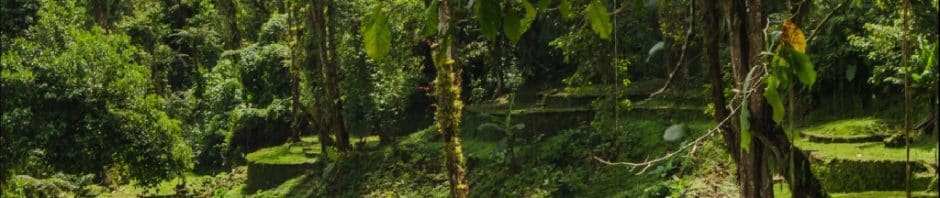
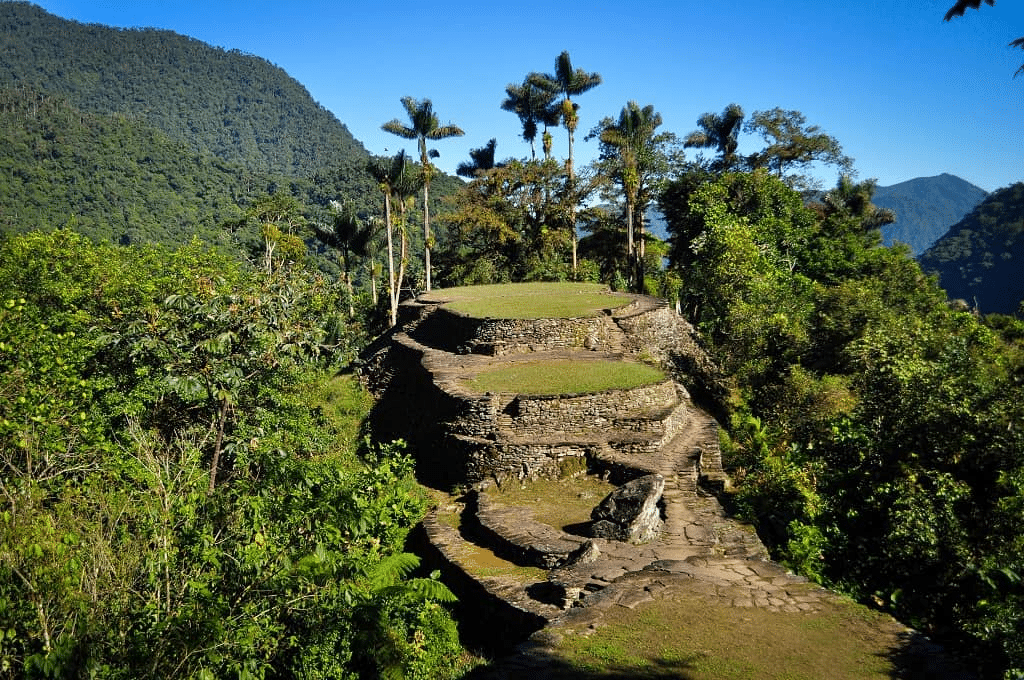
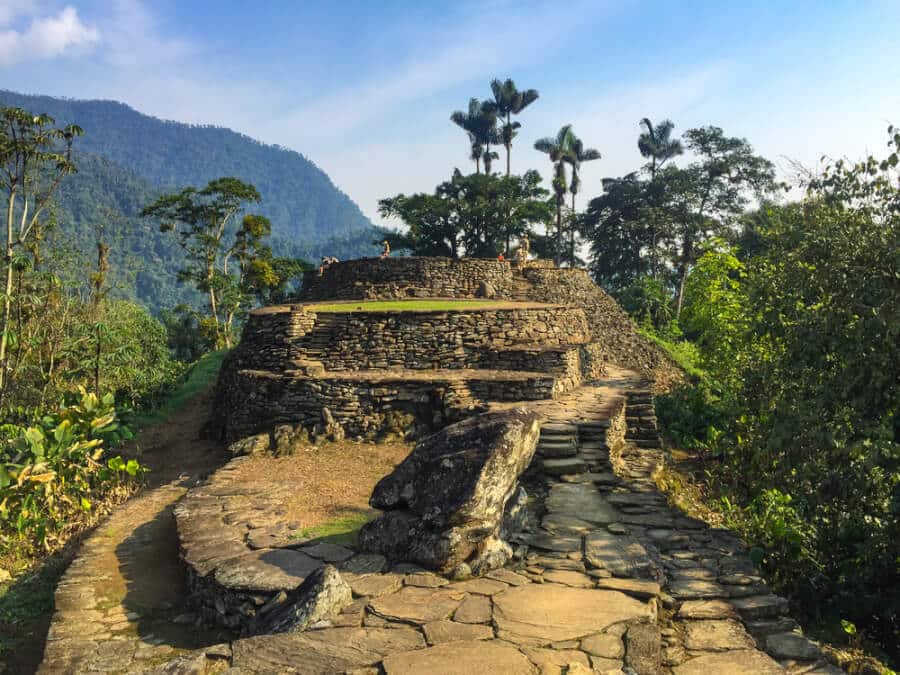
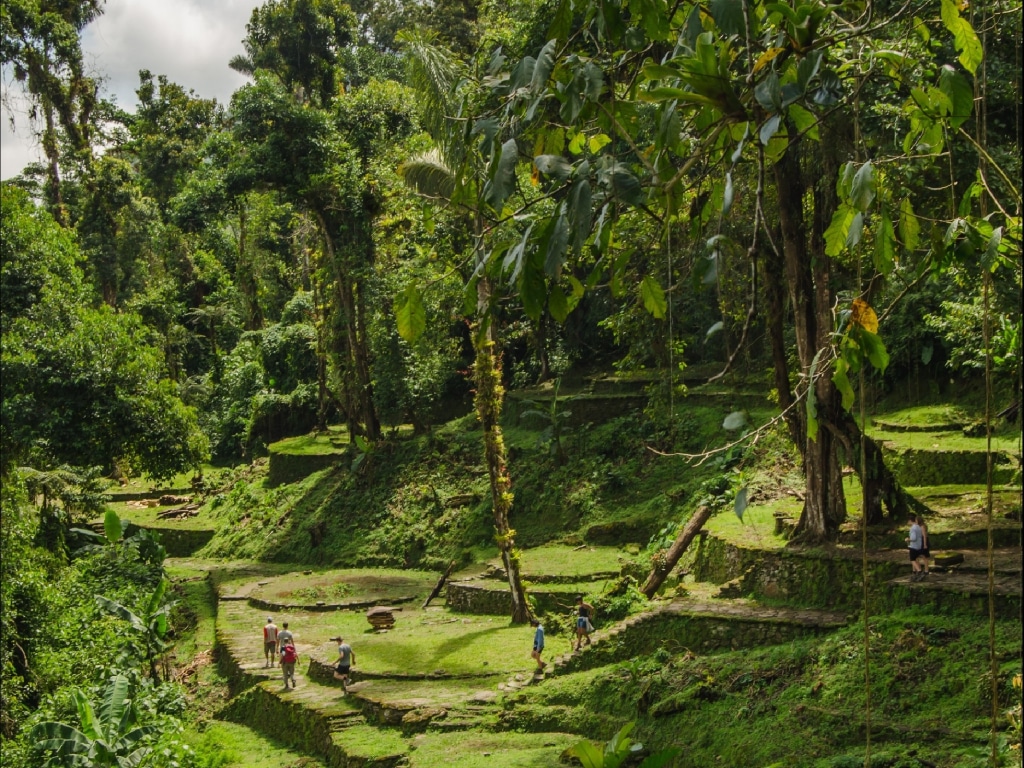
Nestled in the lush forests of the Sierra Nevada de Santa Marta in Colombia, The Lost City, or Ciudad Perdida, stands as a testament to the ingenuity of the ancient Tayrona civilization. Discovered in 1972 by local treasure hunters, this archaeological wonder predates Machu Picchu by several centuries, offering a unique glimpse into pre-Columbian life.
Constructed around 800 AD, The Lost City served as a major urban center for the Tayrona people. Its strategic location, high in the mountains, provided natural protection against invaders and facilitated the development of a sophisticated society. The city’s intricate network of terraces, plazas, and stone paths, sprawled across the mountainside, showcases the advanced engineering skills of its creators.
For centuries, The Lost City remained hidden beneath thick jungle growth, its existence known only to the indigenous tribes who are the descendants of the Tayrona. The city’s rediscovery brought it international attention, yet it has managed to retain an air of mystery and sacredness, largely due to its remote location and the respect it commands from visitors and locals alike.
The significance of The Lost City extends beyond its architectural marvels. It represents a cultural and spiritual heritage that continues to influence the indigenous communities in the Sierra Nevada de Santa Marta. Efforts to preserve the site have been paramount, involving local and international cooperation to ensure its survival for future generations.
As explorers begin their journey to The Lost City, they embark on more than a trek through dense jungle and rugged terrain; they step into a story that weaves through time, nature, and the enduring spirit of an ancient civilization.
How to Get There
Getting to The Lost City, tucked away in the Sierra Nevada de Santa Marta in Colombia, begins with a journey to the city of Santa Marta, the closest major urban center to the starting point of the trek.
Santa Marta is accessible by air from major Colombian cities, such as Bogotá, Medellín, and Cali, with Simon Bolivar International Airport serving as the main gateway for international and domestic flights. Travelers can also reach Santa Marta by bus from various parts of the country, a journey that offers scenic views and insights into Colombia’s diverse landscapes.
Once in Santa Marta, the next step is to connect with a licensed tour operator, which is a mandatory requirement for anyone planning to visit The Lost City. These operators typically arrange transportation from Santa Marta to the trek’s starting point, usually a small village called Macheté Pelao or El Mamey, depending on the specific route chosen. From there, the real adventure begins, with guides leading trekkers through the dense jungles and rugged terrain of the Sierra Nevada de Santa Marta towards the ancient ruins of The Lost City. This journey not only immerses travelers in the natural beauty of Colombia but also marks the start of a profound exploration into its rich archaeological heritage.
Preparing for Your Adventure to The Lost City in Colombia
Embarking on a trek to The Lost City is an adventure that requires careful planning and preparation. The journey through the Sierra Nevada de Santa Marta is both challenging and rewarding, offering unparalleled natural beauty and a deep connection to the history of the region. Here’s what you need to know to get ready for this unforgettable experience.
Physical Preparation: The trek to The Lost City is demanding, covering steep inclines, river crossings, and uneven terrain. It’s essential to be in good physical condition. Start training months in advance, focusing on cardio, strength training, and hikes to build endurance and adapt to similar conditions.
Choosing a Tour Operator: The Colombian government requires that visitors to The Lost City trek with a licensed tour operator. These operators offer packages that include guides, porters, meals, and accommodations. Research and choose one that aligns with your values, whether it’s supporting local communities or environmental sustainability.
Packing Essentials: The key to a successful trek is packing light and smart. Essential items include:
High-quality hiking boots for the rugged terrain
Lightweight clothing that can be layered
Rain gear to keep you dry during sudden downpours
A reliable water filter or purification tablets
Insect repellent and sunscreen to protect against the elements
A headlamp for early morning or late-night treks
Understanding the Climate: The climate in the Sierra Nevada de Santa Marta can be unpredictable, with hot, humid days and cool evenings. Prepare for all conditions, and ensure you stay hydrated and protected from the sun.
Cultural Sensitivity: The Lost City is a sacred site for the indigenous communities of the Sierra Nevada. Showing respect for their traditions and beliefs is paramount. Listen to your guide, follow the established paths, and avoid disturbing the natural and spiritual environment.
Safety Measures: While the trek is safe under the guidance of experienced operators, it’s important to follow all advice and instructions given by your guide. Stay with your group, be cautious when crossing rivers, and keep your belongings secure.
Preparing for your adventure to The Lost City not only ensures a more enjoyable experience but also fosters a deeper appreciation for the natural beauty and cultural heritage of this unique destination.
Trekking Routes and Practical Tips
The journey to The Lost City is an adventure that unfolds over multiple days, traversing the breathtaking landscapes of the Sierra Nevada de Santa Marta. Each step on this trek not only brings you closer to the archaeological marvel that is The Lost City but also deeper into the heart of Colombia’s natural and cultural splendor. Here’s what to expect from the trekking routes and some practical tips to make the most of your journey.
Choosing Your Route: The classic route to The Lost City typically takes 4 to 5 days to complete, covering a distance of approximately 44 kilometers (about 27 miles) round trip. The trek involves ascending and descending through the lush, biodiverse forests of the Sierra Nevada, crossing rivers, and navigating the challenging, yet rewarding, terrain.
Day 1 and 2: The adventure begins with a hike through the tropical forests, with stops at indigenous Kogui villages. The path gradually ascends, offering stunning views of the surrounding mountains and valleys. Campsites along the way provide opportunities to rest and connect with fellow trekkers.
Day 3: This day features the most challenging part of the trek, a steep climb to The Lost City. The reward at the end is the first glimpse of the ancient stone terraces and structures, a moment that many describe as transcendent.
Day 4 and 5: After exploring The Lost City, the return journey allows for reflection on the experience. The descent offers a different perspective on the landscapes passed on the way up, concluding with a sense of accomplishment and awe.
Practical Tips:
Stay Hydrated: The humidity and physical exertion make hydration crucial. Drink regularly, even if you don’t feel thirsty.
Respect the Environment: Leave no trace. Dispose of waste properly and minimize your impact on the trail.
Engage with Local Guides: Your guides are a wealth of knowledge about the local environment, culture, and history. Engaging with them can enrich your experience.
Embrace the Experience: The trek is physically demanding but equally rewarding. Embrace the challenge, the beauty of the natural surroundings, and the opportunity to disconnect from the digital world.
Document Responsibly: Photography is encouraged, but be mindful of the cultural significance of The Lost City. Ask for permission before photographing indigenous people or sacred sites.
Embarking on the trek to The Lost City is more than a physical journey; it’s a deep dive into the heart of Colombia’s natural beauty and ancient history. With the right preparation and respect for the environment and local cultures, it promises to be an unforgettable adventure.
This guide aims to equip you with the knowledge and inspiration needed to undertake this incredible journey, ensuring your adventure to The Lost City is not only successful but also truly meaningful. More places to visit in Colombia in your next trip.
Introduction to Torres del Paine, Patagonia, Chile.
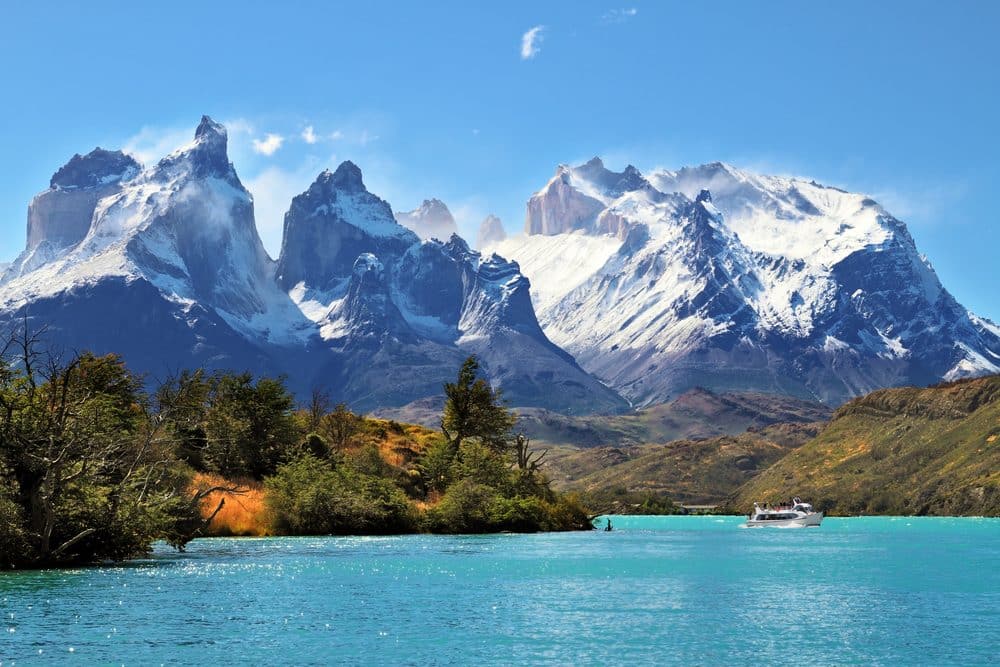
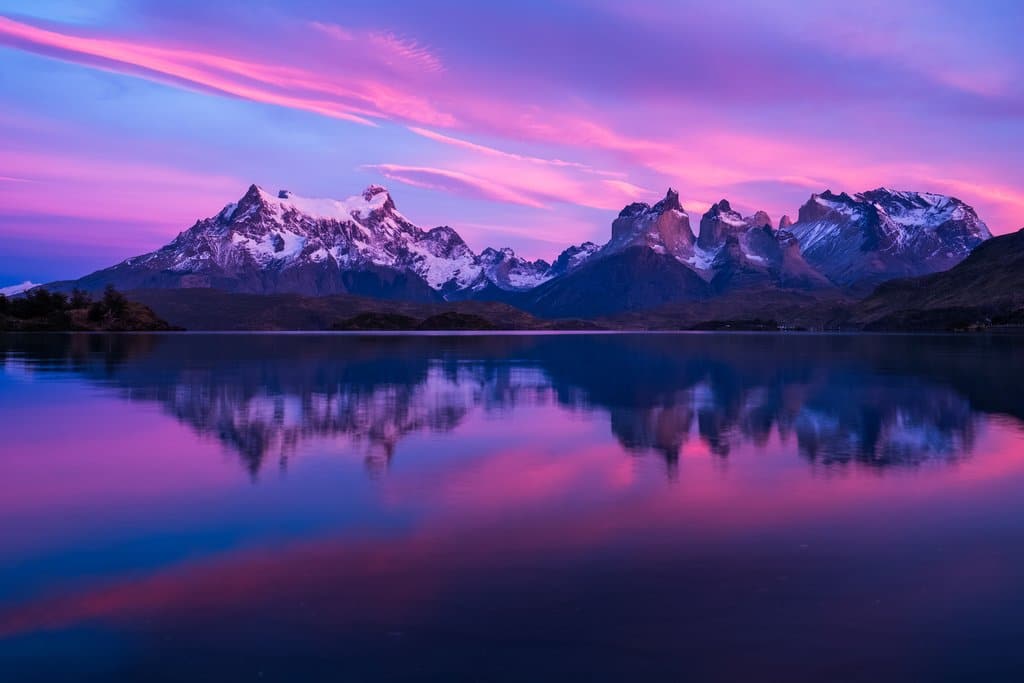
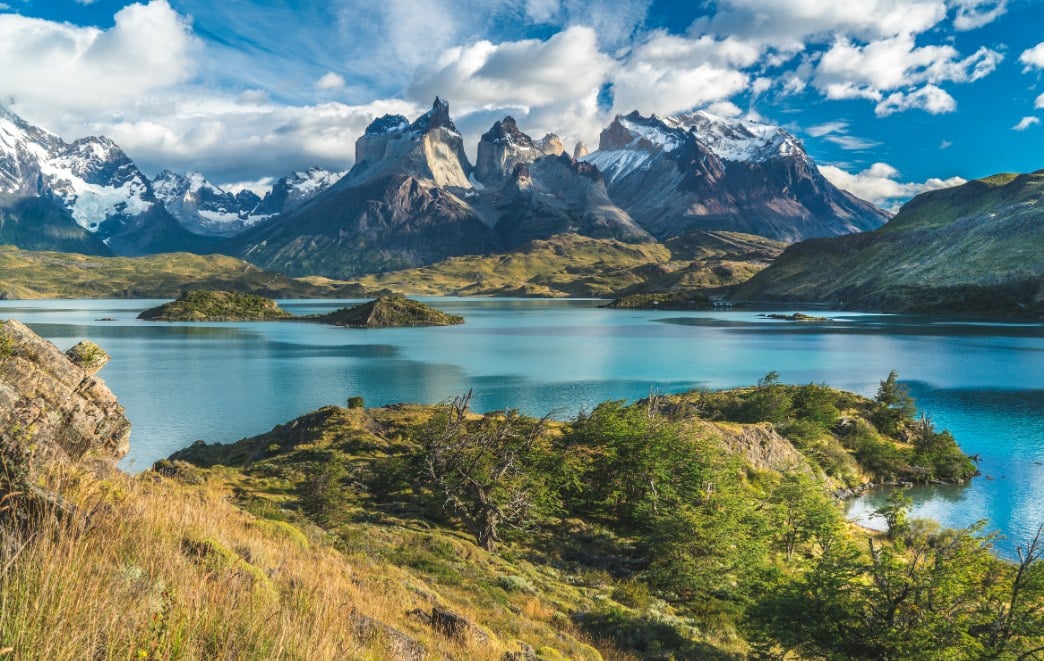
Torres del Paine National Park, a jewel in the crown of Chilean Patagonia, offers an unparalleled adventure for nature lovers and trekkers alike. This UNESCO Biosphere Reserve is famed for its breathtaking landscapes, which comprise towering mountains, pristine glaciers, and turquoise lakes. The park’s name, translating to “Towers of Paine,” references its most iconic landmarks: the three granite peaks of the Paine mountain range, which dominate the skyline.
Established in 1959, Torres del Paine spans over 242,242 hectares, showcasing a diverse ecosystem that includes steppe, Magellanic subpolar forests, and Patagonian tundra. This variety of habitats supports a wide array of wildlife, from the majestic Andean condor soaring above to the elusive puma roaming the valleys. The park’s flora is equally diverse, with species adapted to both the wind-swept plains and the sheltered valleys.
Visitors to Torres del Paine are greeted by a landscape that is constantly changing, from the weather to the shifting colors of the sky and land. The park’s dynamic climate adds to its mystery and beauty, with sunshine, rain, and wind often experienced in a single day. This ever-changing environment challenges and delights those who journey through it, making every visit a unique experience.
Torres del Paine is not just a destination; it’s an invitation to explore the wild and rugged heart of Patagonia. Whether you’re an avid hiker seeking the thrill of the park’s famous treks or a nature enthusiast eager to witness its stunning vistas and wildlife, Torres del Paine offers a myriad of opportunities for adventure and discovery.
How to Get There
Reaching Torres del Paine National Park from Santiago, Chile’s bustling capital, involves a journey through some of the country’s most stunning landscapes, embodying the true spirit of an adventure in Patagonia. The journey to this remote paradise begins with a flight from Santiago to Punta Arenas, the nearest major city to the park. This flight typically takes about three and a half hours, offering passengers their first glimpse of the Patagonian wilderness from above.
Upon landing in Punta Arenas, visitors have several options to continue their journey to Torres del Paine. The most common method is to rent a car or join a guided tour, providing flexibility and the opportunity to enjoy the scenic route at one’s own pace. The drive to the park takes approximately five to six hours, traversing vast open steppes and passing by herds of guanacos and local estancias (ranches), offering a true sense of the Patagonian expanse.
Alternatively, travelers can opt for a domestic flight from Punta Arenas to Puerto Natales, a town significantly closer to the park. Puerto Natales serves as the gateway to Torres del Paine, located roughly two hours away by road. From here, visitors can take a bus, a shuttle, or a taxi to the park, with several companies offering daily services during the high season.
Entry to Torres del Paine requires a fee, which contributes to the conservation of this pristine natural area. The park has multiple access points, but the most frequented are Laguna Amarga, Sarmiento, and Pudeto, each offering a unique perspective of the park and its majestic beauty. Visitors should be mindful of the park’s regulations and weather conditions, which can change rapidly, to ensure a safe and enjoyable experience.
Torres del Paine’s remote location only adds to its allure, making the journey a memorable part of the adventure. Whether arriving by land or air, visitors are rewarded with breathtaking views and the promise of an unforgettable experience in one of the world’s most spectacular natural settings.
Major Attractions and Trails
Torres del Paine National Park is a trekker’s paradise, offering some of the most stunning trails in the world. The park’s rugged terrain, combined with its natural beauty, makes it a premier destination for outdoor enthusiasts. Among the myriad of attractions, two treks stand out: the W Circuit and the O Circuit, each offering a unique way to experience the park’s majesty.
W Circuit: Named for its shape, the W Circuit is the most popular trek in Torres del Paine. Spanning approximately 70 kilometers, it can be completed in about 4 to 5 days. This trek takes hikers through the park’s key highlights, including the Base Torres lookout, offering an up-close view of the iconic towers; the French Valley, surrounded by stunning panoramic views; and the Grey Glacier, where the vast ice field meets the lake. The W Circuit is accessible to most hikers with a moderate level of fitness and provides a comprehensive overview of the park’s diverse landscapes.
O Circuit: For those seeking a more challenging and less traveled path, the O Circuit encompasses the W Circuit and extends around the Paine Massif. This approximately 110-kilometer trek takes around 7 to 10 days to complete and offers a more in-depth exploration of the park. The O Circuit allows hikers to experience the remote backside of the massif, with its untouched landscapes and the chance to see the park’s wildlife in their natural habitat. This trek requires a higher level of fitness and preparation but rewards hikers with unparalleled views and a deeper connection to the wilderness of Patagonia.
Beyond these treks, Torres del Paine is home to numerous other attractions, including:
Grey Glacier: A massive glacier that is part of the Southern Patagonian Ice Field. Boat tours offer close encounters with this awe-inspiring ice formation. French Valley: A spectacular natural amphitheater surrounded by peaks and glaciers, offering one of the park’s best panoramic views.
Los Cuernos: Distinctive horn-shaped peaks that are among the park’s most iconic landmarks. The park’s diverse ecosystems also support a variety of wildlife, including guanacos, foxes, Andean condors, and, if you’re lucky, the elusive puma. The combination of its breathtaking trails, unique wildlife, and natural beauty makes Torres del Paine a must-visit destination for nature lovers and adventurers alike.
Planning Your Visit to Torres del Paine
Visiting Torres del Paine National Park is an unforgettable experience that requires careful planning to make the most of your adventure in this pristine wilderness. Here are some essential tips to help you plan your trip:
Best Times to Visit: The best time to explore Torres del Paine is during the Southern Hemisphere’s spring and summer months, from October to April. During these months, the weather is milder, and the days are longer, providing ample daylight for trekking and exploration. However, these are also the busiest months, so booking accommodations and tours well in advance is advisable.
Accommodation Options: Torres del Paine offers a variety of accommodations, from campsites and refugios (shared lodges) along the trekking routes to luxury hotels outside the park boundaries. Campsites and refugios provide a closer connection to nature and are ideal for those hiking the W or O Circuits. Meanwhile, hotels and lodges offer more comfort and amenities, suitable for those who prefer day trips within the park.
Sustainable Tourism: As a visitor, it’s crucial to adhere to the park’s rules and guidelines to minimize your environmental impact. Stick to marked trails, dispose of waste properly, and respect wildlife and plant life. The park’s beauty and biodiversity depend on the responsible behavior of its visitors.
Packing Essentials: The weather in Torres del Paine can be unpredictable, with sudden changes in temperature and conditions. Pack layers of clothing, including waterproof and windproof gear, to stay comfortable. Don’t forget sturdy hiking boots, a sun hat, sunscreen, and sunglasses to protect against the elements. Additionally, bring a refillable water bottle, as the park’s streams offer some of the purest water in the world.
Safety and Navigation: While the main trails are well-marked, carrying a map and a compass or GPS device is wise for safety. Always inform someone of your trekking plans and estimated return time, especially if venturing into the more remote areas of the park.
By following these tips and planning ahead, your visit to Torres del Paine National Park will be a memorable journey through one of the most spectacular landscapes on Earth. Whether you’re trekking the iconic circuits, marveling at the glaciers, or simply soaking in the breathtaking vistas, Torres del Paine promises an adventure of a lifetime.
Trekking in Torres del Paine in Chile
Torres del Paine National Park is renowned for its trekking routes, which offer some of the most spectacular wilderness experiences in the world. The park’s trails are designed to cater to a wide range of fitness levels and interests, from short day hikes to challenging multi-day circuits. Here, we explore the two most iconic treks: the W Circuit and the O Circuit.
The W Circuit
The W Circuit is one of the park’s most famous treks, named for its W-shaped route that covers approximately 70-80 kilometers and can be completed in 4 to 5 days. This trek takes hikers through the park’s key attractions, including the Base Torres lookout, French Valley, and Grey Glacier. Each of these locations offers unique landscapes and breathtaking views.
Base Torres: The trek begins (or ends, depending on your starting point) with a challenging hike to the Base Torres lookout, offering up-close views of the park’s iconic granite towers. French Valley: This segment leads hikers into the heart of the Paine Massif, with panoramic views of the surrounding mountains and hanging glaciers. Grey Glacier: The trek concludes with a visit to the majestic Grey Glacier, where hikers can witness the vast ice field that feeds into Grey Lake.
The O Circuit
For those seeking a more comprehensive experience, the O Circuit extends the W Trek into a full loop around the Paine Massif, covering about 110 kilometers over 7 to 10 days. This route includes all the highlights of the W Circuit but also takes trekkers through the park’s more remote northern section, offering a deeper immersion into Patagonia’s wild landscapes.
John Gardner Pass: A highlight of the O Circuit is the crossing of the John Gardner Pass, the highest point on the trek. From here, hikers have stunning views of the Southern Patagonian Ice Field, one of the largest ice masses outside the polar regions. Remote Wilderness: The northern part of the O Circuit traverses less frequented paths, providing a sense of solitude and connection with the untouched nature of Patagonia. Preparation and Tips
Preparation is key to enjoying and completing these treks safely. Hikers should be equipped with suitable gear, including waterproof clothing, sturdy hiking boots, and camping supplies if staying overnight in the park. It’s also essential to book campsites or refugios (lodges) well in advance, especially during the high season, as spaces fill up quickly.
Environmental stewardship is paramount in Torres del Paine. Hikers are urged to follow Leave No Trace principles, including packing out all trash, staying on marked trails to prevent erosion, and using designated campsites to minimize impact.
Trekking in Torres del Paine offers an unforgettable adventure through some of the most stunning landscapes on Earth. Whether choosing the W Circuit for a shorter journey or embarking on the comprehensive O Circuit, hikers will encounter awe-inspiring sights and the raw beauty of Patagonia. With proper preparation and respect for the natural environment, this trek can be a highlight of any adventurer’s travels.
Wildlife and Nature Conservation in Torres del Paine
Torres del Paine National Park is not only a trekker’s paradise but also a sanctuary for diverse wildlife and a model for conservation efforts in Patagonia. The park’s ecosystems range from steppe to forest to the subpolar woodlands, each providing habitat for distinct species. This section delves into the park’s fauna, flora, and the ongoing efforts to protect this unique environment.
Fauna: A Glimpse into Patagonia’s Wildlife
The park is home to an impressive array of wildlife, adapted to life in its rugged landscapes. Perhaps the most iconic of these is the puma, the Patagonian big cat, which roams the park’s vast territories. Sightings, while rare, are a thrilling experience for visitors. Other mammals include the guanaco, a relative of the llama, which is frequently seen grazing on the steppe, and the elusive Andean deer or huemul, a national symbol of Chile and a species of conservation concern.
Birdwatchers are also drawn to Torres del Paine for its avian diversity, including the majestic Andean condor, with its impressive wingspan, and the Chilean flamingo, which adds a splash of color to the park’s lakes and lagoons. Raptors such as the cinereous harrier and the black-chested buzzard-eagle are also common, showcasing the ecological richness of the area.
Flora: Vegetation That Adapts and Thrives
The park’s flora is equally diverse, with vegetation zones that vary with altitude, precipitation, and geography. The wind-swept steppes are covered in hardy grasses and shrubs, while the more protected valleys and slopes host forests of lenga beech and coihue trees. In the spring and summer, the landscape is dotted with wildflowers, including the striking fire bush and the delicate Patagonian orchid, adding to the park’s natural beauty.
Conservation is a key focus in Torres del Paine, with efforts aimed at preserving its unique ecosystems and the species that inhabit them. This includes initiatives to control non-native species, reforest areas affected by wildfires, and conduct scientific research to monitor wildlife populations and health. The park’s management practices are designed to balance visitor access with the need to protect and preserve natural resources.
Sustainable Tourism: A Shared Responsibility
Visitors play a crucial role in conservation efforts through responsible tourism practices. This includes staying on designated trails to prevent erosion, adhering to park regulations regarding camping and fires, and minimizing impact by packing out all trash. By following these guidelines, tourists can help ensure that Torres del Paine remains a pristine and vibrant wilderness for generations to come.
Torres del Paine National Park is a testament to the beauty and diversity of Patagonia’s natural landscapes. Its wildlife and flora, coupled with dedicated conservation efforts, make it a shining example of how humans can coexist with and protect the natural world. As visitors explore this stunning park, they are reminded of the importance of conservation and the role each individual plays in preserving our planet’s wild places.
Planning Your Visit to Torres del Paine
A trip to Torres del Paine National Park requires careful planning to ensure a memorable and impactful experience. This section covers essential information, including how to get there, accommodation options, entrance fees, and sustainable travel tips, to help you prepare for your adventure in the heart of Patagonia.
Getting There: Access Routes and Transportation
Torres del Paine is remote, but accessible from both Chile and Argentina. The nearest major city on the Chilean side is Punta Arenas, which has an airport with flights from Santiago. From Punta Arenas, travelers can take a bus or rent a car to reach Puerto Natales, the gateway town to the park. Puerto Natales offers direct bus services to Torres del Paine, making it a convenient base for explorers.
Alternatively, visitors coming from Argentina often fly into El Calafate, then travel by bus or car to the park, crossing the border into Chile. This route offers its own scenic rewards, including views of the southern Patagonian ice fields.
Accommodation: Inside and Near the Park
Options range from camping and refugios (basic lodges) within the park to hotels and hostels in Puerto Natales. Booking accommodation well in advance is crucial, especially during the peak season from November to March. Campsites and refugios on popular trekking routes like the W Circuit or the O Circuit get booked up quickly, so early planning is essential.
Entrance Fees and Regulations
The park charges an entrance fee, which contributes to its maintenance and conservation efforts. Fees vary depending on the season, with discounts available for children and senior citizens. Visitors should be aware of and comply with park regulations, including rules on camping, fires, and waste disposal, to help preserve the park’s natural beauty.
Sustainable Travel Tips
Sustainability is key to preserving Torres del Paine’s pristine environments. Visitors are encouraged to minimize their impact by sticking to marked trails, carrying out all trash, using water sparingly, and avoiding any disturbance to wildlife. Choosing eco-friendly tour operators and accommodations that support conservation efforts can also make a positive difference.
Visiting Torres del Paine National Park is an adventure of a lifetime, offering unparalleled access to some of the world’s most spectacular landscapes and wildlife. By planning your trip thoughtfully and embracing sustainable travel practices, you can enjoy the wonders of Patagonia while ensuring they remain unspoiled for future generations. Whether you’re trekking the iconic circuits, marveling at the majestic peaks, or simply soaking in the tranquil beauty of the park, Torres del Paine promises an unforgettable experience. You can read our article about places to visit in the Patagonia Argentina for to plan your next trip.
Venezuela is known for its stunning beaches, and while some are more popular among tourists, there are hidden gems that are less crowded and equally beautiful. Here are five lesser-known but fantastic beaches in Venezuela:
Margarita Island, Venezuela
Puerto Cruz Beach: A Hidden Gem in Margarita Island Ensconced on the picturesque Margarita Island of Venezuela, Puerto Cruz Beach (Playa Puerto Cruz) offers a serene and secluded escape for travelers seeking tranquility and natural beauty. While Margarita Island itself is a popular destination, Puerto Cruz Beach remains a hidden gem that promises a unique and peaceful experience away from the hustle and bustle of more crowded tourist spots. In this guide, we’ll take you on a virtual journey to explore the beauty and charm of Puerto Cruz Beach, helping you plan a memorable visit.
Getting to Puerto Cruz Beach Puerto Cruz Beach is conveniently located on the eastern side of Margarita Island, making it easily accessible from the island’s main towns and resorts. Visitors can reach the beach by car or taxi from locations such as Porlamar, La Asunción, and Playa El Agua. The journey through the island’s lush landscapes adds to the anticipation of arriving at this hidden paradise.
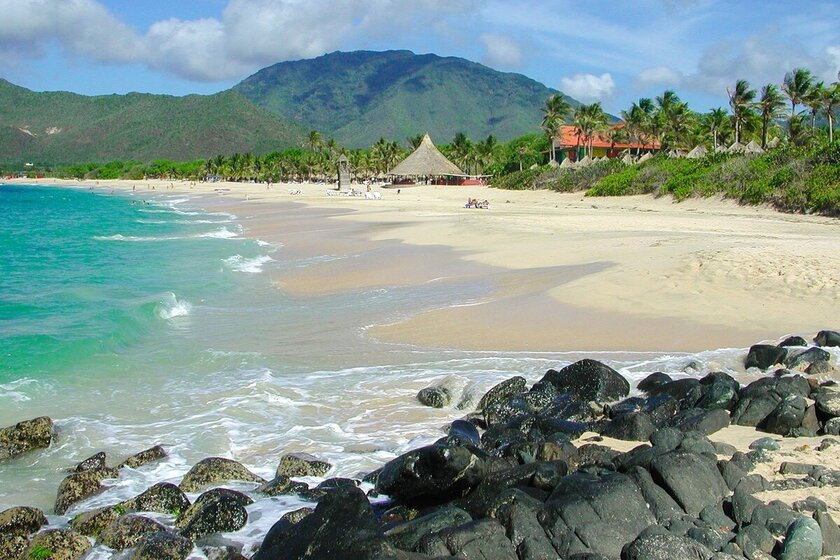
Natural Beauty and Lovely Atmosphere Upon arriving at Puerto Cruz Beach, you’ll be greeted by a pristine coastline, soft golden sands, and crystal-clear waters. This lesser-known gem offers a tranquil atmosphere, making it an ideal destination for those seeking relaxation and rejuvenation.
The beach is surrounded by lush tropical vegetation and swaying palm trees, creating a serene backdrop that’s perfect for unwinding. Whether you’re lounging on the beach, taking a leisurely stroll along the shoreline, or simply enjoying a good book, Puerto Cruz Beach provides the perfect setting for taking a break from the stresses of daily life.
Activities at Puerto Cruz Beach While Puerto Cruz Beach is known for its laid-back vibe, it also offers a range of activities for those looking to explore and make the most of their visit:
Swimming and Snorkeling: The calm and clear waters of Puerto Cruz Beach are perfect for swimming and snorkeling. Dive beneath the surface to discover a colorful world of marine life, including tropical fish and coral reefs.
Beachcombing: Take a leisurely walk along the shoreline to collect seashells and enjoy the gentle sea breeze. It’s an excellent way to connect with nature and appreciate the beauty of the beach.
Local Cuisine: Don’t miss the opportunity to savor delicious local cuisine at nearby restaurants and beachside cafes. Try fresh seafood dishes, tropical fruits, and refreshing beverages while enjoying stunning ocean views.
Photography: With its natural beauty and tranquil ambiance, Puerto Cruz Beach provides fantastic photo opportunities. Capture the scenic vistas, vibrant sunsets, and the unique charm of this hidden paradise.
You can see our article about Roraima Tepui an amazing place to visit in Venezuela.
Choroni Beach (Playa Choroni): Your Gateway to Paradise in Venezuela
Nestled along the northern coast of Venezuela, Choroni Beach (Playa Choroni) is a hidden gem that beckons to those in search of pristine beauty, tranquility, and vibrant culture. This charming coastal town offers a unique blend of natural wonders, colonial architecture, and a warm local atmosphere. In this comprehensive guide, we invite you to discover the enchanting allure of Choroni Beach and how to make the most of your visit.
Getting to Choroni Beach Choroni Beach is located within the Henri Pittier National Park, approximately a two-hour drive from Venezuela’s major cities, Maracay and Caracas. The journey to Choroni is as rewarding as the destination itself, as you’ll wind through lush tropical forests and picturesque landscapes.
A Paradise of Natural Beauty As you approach Choroni, the lush greenery gives way to the sight of the Caribbean Sea and the charming town of Choroni. The beach itself boasts powdery golden sands that stretch for miles, lapped by the warm, azure waters of the Caribbean. Choroni Beach’s natural beauty alone is enough to captivate any traveler.
Exploring Choroni Town Choroni is more than just a beach; it’s a vibrant and culturally rich town that will immerse you in local Venezuelan life. Here are some highlights:
Colonial Architecture: Stroll through the town’s cobblestone streets and admire well-preserved colonial architecture, including colorful facades and charming balconies.
Local Cuisine: Sample traditional Venezuelan dishes at local restaurants, featuring fresh seafood, arepas, and tropical fruits. Don’t forget to try the local specialty, “Pabellón,” a hearty plate of rice, beans, plantains, and your choice of protein.
Artisan Markets: Explore artisan markets where you can find unique handicrafts, textiles, and souvenirs crafted by local artisans.
Festivals and Music: Choroni is known for its lively festivals and music scene. If your visit aligns with a local celebration, you’re in for a treat with vibrant dances and rhythmic music.
Activities at Choroni Beach Choroni Beach offers a range of activities for nature lovers and adventure seekers:
Swimming and Sunbathing: Enjoy the calm and warm waters of the Caribbean Sea, perfect for swimming and sunbathing.
Hiking: Henri Pittier National Park offers hiking trails with stunning views of the coastline and lush forests. Be sure to explore the diverse flora and fauna of the region.
Waterfalls: Nearby, you’ll find several beautiful waterfalls, such as Chuao and Bernal, where you can take refreshing dips in clear, cool waters.
Boat Tours: Consider taking a boat tour to explore nearby coves, islands, and hidden beaches.
El Agua Beach (Playa El Agua): Unveiling the Beauty of Margarita Island’s Crown Jewel
Situated on the sun-kissed shores of Margarita Island in Venezuela, El Agua Beach (Playa El Agua) is a true treasure for travelers seeking relaxation, natural beauty, and vibrant culture. Known for its pristine golden sands, warm waters, and a plethora of activities, El Agua Beach is the epitome of paradise. In this guide, we invite you to explore the magic of El Agua Beach and discover how to make the most of your visit.
Getting to El Agua Beach El Agua Beach is conveniently located on the northern coast of Margarita Island, making it easily accessible from the island’s main towns and resorts. If you’re arriving by air, Santiago Mariño Caribbean International Airport is the nearest point of entry. From there, it’s just a short drive to the beach.
Natural Beauty and Serene Ambiance As you approach El Agua Beach, the sight of its expansive shoreline framed by swaying palm trees and turquoise waters will take your breath away. The name “El Agua,” which means “The Water” in Spanish, perfectly encapsulates the crystal-clear and inviting sea that laps against the shore.
The beach itself features powdery soft sands that stretch for nearly two miles, providing ample space for sunbathing, beachcombing, and leisurely strolls. El Agua Beach’s serene ambiance is ideal for relaxation and escaping the stresses of everyday life.
Exploring the Beach Town In addition to its natural beauty, Playa El Agua is surrounded by a lively beach town that offers a delightful array of experiences:
Restaurants and Cafes: Savor the flavors of Venezuela at beachfront restaurants and cafes, where you can indulge in fresh seafood, traditional arepas, and tropical fruit cocktails while enjoying scenic ocean views.
Shopping: Explore local markets and boutiques for handicrafts, souvenirs, and clothing, including colorful beachwear.
Nightlife: As the sun sets, Playa El Agua comes alive with vibrant nightlife. Dance to the rhythms of Latin music at beachfront bars and clubs.
Water Sports: The calm waters of El Agua Beach make it an ideal spot for water sports such as jet skiing, parasailing, and paddleboarding. Rental facilities are readily available.
Activities at El Agua Beach Whether you’re seeking adventure or relaxation, Playa El Agua has something for every type of traveler:
Swimming: Dive into the warm, inviting waters of the Caribbean Sea for a refreshing swim.
Beach Games: Join in a game of beach volleyball or paddleball with fellow beachgoers.
Water Activities: Take advantage of the various water sports, including snorkeling, windsurfing, and banana boat rides.
Sunset Strolls: As the sun sets over the horizon, embark on a romantic sunset stroll along the shoreline for breathtaking views.
In the heart of Venezuela’s captivating coastline, Puerto Cruz Beach, Choroni Beach, and El Agua Beach stand as unique destinations, each offering its own brand of beauty and serenity. These hidden gems welcome travelers seeking tranquility, natural wonder, and unforgettable experiences.
Whether you find yourself on the tranquil shores of Puerto Cruz Beach, exploring the vibrant culture of Choroni, or basking in the sun at El Agua Beach, you’ll undoubtedly discover the essence of Venezuela’s coastal charm. From pristine sands to crystal-clear waters, from rich traditions to exhilarating activities, these beaches offer a tapestry of experiences that will leave an indelible mark on your travel memories.
As you plan your journey to these remarkable destinations, remember to respect local customs, preserve the environment, and savor every moment of your adventure. Venezuela’s hidden treasures are waiting to be explored, offering relaxation, exploration, and lasting connections with the beauty of nature and the warmth of its people. Embrace the journey, and let the beauty of these beaches wash over you like a warm Caribbean breeze.