
Category: travel

Travel Information about South America.

  • 7 Hidden Places to Visit in South America III

    7 Hidden Places to Visit in South America III

    Third part of the article about which places to visit in South America in your next trip.

    Travel information about Punta del Este, Uruguay

    Punta del Este is a beautiful beach town located on the southeastern coast of Uruguay, known for its stunning beaches, lively nightlife, and luxurious resorts. Here’s what you need to know before planning a trip to Punta del Este.

    When to Go:
    The best time to visit Punta del Este is during the summer months of December to February, when the weather is warm and the beaches are bustling with tourists. Keep in mind that this is also the peak tourist season, so expect higher prices and larger crowds. If you’re looking for a more peaceful experience, consider visiting during the shoulder seasons of March to May or September to November.

    Getting There:
    The easiest way to get to Punta del Este is by flying into the nearby airport of Punta del Este (PDP), which receives flights from various South American cities. Alternatively, you can take a bus from Montevideo, the capital of Uruguay, which takes about two and a half hours.

    What to Expect:
    Punta del Este is known for its stunning beaches, such as Playa Brava, which has iconic sculptures of hands emerging from the sand, and Playa Mansa, which offers calmer waters and stunning sunsets. Visitors can also enjoy various water sports, such as surfing, windsurfing, and kayaking.

    Aside from the beaches, Punta del Este has various cultural and historic attractions, such as the Casa Pueblo, a unique building designed by the Uruguayan artist Carlos Páez Vilaró, which houses a museum and art gallery. The town also has a lively nightlife scene, with various bars, nightclubs, and casinos.

    For those looking for outdoor activities, Punta del Este offers various options, such as hiking in the nearby Arboretum Lussich, a beautiful nature reserve with over 500 species of trees and plants, or visiting the nearby Isla de Lobos, a small island known for its sea lions and penguins.

    Punta del Este also has various accommodation options, from luxurious resorts to budget-friendly hostels, making it accessible to all types of travelers.

    Tips for Travelers:
    Bring sunscreen, a hat, and sunglasses, as the sun can be strong.
    Be prepared for higher prices during the peak tourist season.
    Respect the environment by avoiding littering or damaging the beaches and natural areas.
    Be cautious when swimming in the ocean, as some areas may have strong currents.
    Follow the local laws and customs, such as tipping at restaurants and bars.
    In conclusion, Punta del Este is a beautiful destination that offers a mix of natural beauty, cultural attractions, and lively nightlife. Whether you’re a beach lover, a history buff, or simply looking to relax in luxury, this town has something for everyone. Just be sure to plan ahead and follow the tips for travelers to ensure a safe and enjoyable journey.


    Travel information about The Galapagos Islands, Ecuador

    The Galapagos Islands are a group of volcanic islands located in the Pacific Ocean, about 1,000 kilometers off the coast of Ecuador. Known for their unique and diverse wildlife, as well as their stunning natural landscapes, the Galapagos Islands are a popular destination for nature lovers and adventure seekers. Here’s what you need to know before planning a trip to the Galapagos Islands.

    When to Go:
    The best time to visit the Galapagos Islands is from December to May, when the weather is warm and the ocean is calm. This is also the rainy season, which means there may be occasional downpours, but the landscape is lush and green. From June to November, the weather is cooler and drier, and the ocean can be choppy, making it less ideal for certain water activities.

    Getting There:
    The only way to reach the Galapagos Islands is by plane from mainland Ecuador. Flights depart from Quito or Guayaquil and arrive at the airport on the island of Baltra or the island of San Cristobal. From there, visitors must take a boat or ferry to reach their desired destinations within the archipelago.

    What to Expect:
    The Galapagos Islands are known for their unique and diverse wildlife, including giant tortoises, marine iguanas, and blue-footed boobies. Visitors can take guided tours to explore the various islands and observe the wildlife up close. Snorkeling and scuba diving are also popular activities, as the islands offer stunning underwater landscapes and a chance to swim with sea turtles, sharks, and colorful fish.

    Aside from the wildlife, the Galapagos Islands offer various natural attractions, such as volcanic craters, lava tunnels, and white sandy beaches. The islands also have various towns and villages where visitors can learn about the local culture and cuisine.

    The Galapagos Islands have strict conservation laws to protect the unique wildlife and ecosystems. Visitors are required to follow certain rules, such as staying on designated paths, avoiding touching or feeding the animals, and not taking anything from the islands.

    Accommodation options on the Galapagos Islands range from luxurious resorts to budget-friendly hostels, with most located on the islands of Santa Cruz, San Cristobal, and Isabela.

    Tips for Travelers:
    Plan ahead and book tours and accommodations in advance, as spaces can fill up quickly.
    Pack comfortable clothing and shoes for outdoor activities, as well as sunscreen and insect repellent.
    Respect the conservation laws and guidelines to protect the unique wildlife and ecosystems.
    Bring cash, as some places on the islands may not accept credit cards.
    Learn about the local culture and customs, such as tipping at restaurants and bars.
    In conclusion, the Galapagos Islands offer a once-in-a-lifetime experience for nature lovers and adventure seekers. With their unique wildlife, stunning natural landscapes, and strict conservation laws, the islands provide a truly unique and unforgettable travel experience. Just be sure to plan ahead, follow the guidelines, and respect the environment to ensure a safe and enjoyable journey.

    As a travel journalist, I can confidently say that South America is a continent full of hidden gems waiting to be discovered. From lush rainforests to towering mountains, this continent has it all. In this article, we’ve uncovered 7 of the most unique and lesser-known places that South America has to offer.
    Articles with information about Greece When to travel, places to visit and more.
    If do you want to read the First Part of the Article or the Second Part of the Article about 7 hidden places to visit in Southamerica. Thanks.
  • 7 Hidden Places to Visit in South America II

    7 Hidden Places to Visit in South America II

    Travel information about Canaima National Park, Venezuela

    Canaima National Park, located in southeastern Venezuela, is a UNESCO World Heritage site known for its breathtaking landscapes, including towering waterfalls, stunning rivers, and unique geological formations. Here’s what you need to know before planning a trip to Canaima National Park.

    When to Go:
    The best time to visit Canaima National Park is from December to April when the weather is dry, and the waterfalls are at their fullest. During the rainy season from May to November, many trails and roads can become impassable due to flooding, so it’s best to plan your visit accordingly.

    Getting There:
    The nearest town to Canaima National Park is Puerto Ordaz, which has an airport with connections to other cities in Venezuela. From there, you can take a domestic flight or drive to Ciudad Bolivar, where you can catch a small plane to the park. Once inside the park, you can travel by boat or foot to explore the various attractions.

    What to Expect:
    Canaima National Park is home to the world-famous Angel Falls, the tallest waterfall in the world. The park also features other impressive waterfalls, such as Sapo, Sapito, and Hacha, which you can visit by boat or on foot. Visitors can also explore the park’s unique geological formations, such as the tabletop mountains known as tepuis, which inspired Sir Arthur Conan Doyle’s novel “The Lost World.”

    Aside from the natural attractions, visitors can also learn about the indigenous Pemon culture, who have lived in the area for thousands of years. You can visit a Pemon village and learn about their way of life, including their traditional arts and crafts.

    Tips for Travelers:
    Bring plenty of cash, as there are no ATMs or credit card facilities in the park.
    Wear comfortable, waterproof shoes and bring a rain jacket, as rain showers are common.
    Plan your itinerary in advance and book a tour with a reputable tour operator to ensure a safe and enjoyable trip.
    Respect the local culture and avoid littering or disturbing the wildlife.
    Be prepared for limited amenities, such as electricity and running water, as many lodges and campsites in the park are rustic.
    In conclusion, Canaima National Park is a natural wonderland that offers a unique opportunity to explore one of the world’s most stunning landscapes. With its towering waterfalls, unique geological formations, and rich cultural heritage, it’s a trip you’ll never forget. Just be sure to plan ahead and follow the tips for travelers to ensure a safe and memorable journey.


    Travel information about Torres del Paine National Park, Chile

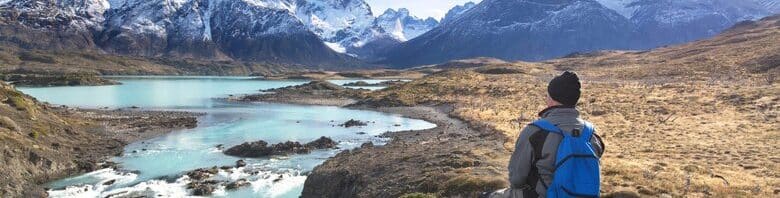
    Torres del Paine National Park is a protected area located in the southern part of Chilean Patagonia, and it’s considered one of the most stunning national parks in South America. Here’s what you need to know before planning a trip to Torres del Paine National Park.

    When to Go:
    The best time to visit Torres del Paine National Park is from November to March when the weather is milder, and the days are longer. However, keep in mind that the park is open year-round, and each season offers unique experiences.

    Getting There:
    The nearest airport to Torres del Paine National Park is Punta Arenas, and from there, you can rent a car or take a bus to the park. You can also fly to Puerto Natales, which is the closest town to the park. Once you arrive, there are various hiking trails and roads to explore the park, but keep in mind that some roads may be closed during the winter months due to snow and ice.

    What to Expect:
    Torres del Paine National Park is known for its stunning landscapes, including snow-capped peaks, turquoise lakes, and glaciers. The park is also home to various wildlife species, such as guanacos, pumas, and Andean condors, making it a popular destination for wildlife enthusiasts.

    Visitors can explore the park’s various hiking trails, including the famous W trek, which takes about four to five days to complete. The trek takes you through stunning valleys, forests, and mountains, and it’s considered one of the most rewarding treks in South America. There are also shorter hikes, such as the Mirador Las Torres hike, which offers stunning views of the park’s famous granite towers.

    Aside from hiking, visitors can also go horseback riding, kayaking, or fishing. The park also offers various accommodation options, from camping sites to luxury lodges, making it accessible to all types of travelers.

    Tips for Travelers:
    Bring warm clothing and waterproof gear, as the weather can be unpredictable, especially during the winter months.
    Book accommodation in advance, as the park can get crowded during peak season.
    Respect the environment and wildlife by avoiding littering or disturbing the animals.
    Follow park regulations and stay on designated trails to avoid damaging the fragile ecosystem.
    Be prepared for limited amenities, as many lodges and campsites in the park are rustic.
    In conclusion, Torres del Paine National Park is a stunning destination that offers a unique opportunity to explore some of the most beautiful landscapes in South America. Whether you’re a hiker, a wildlife enthusiast, or simply looking to relax in nature, this park has something for everyone. Just be sure to plan ahead and follow the tips for travelers to ensure a safe and enjoyable journey.


    Travel information about Chapada Diamantina National Park, Brazil

    Chapada Diamantina National Park is a vast protected area located in the state of Bahia, Brazil, known for its stunning natural landscapes, including waterfalls, mountains, and caves. Here’s what you need to know before planning a trip to Chapada Diamantina National Park.

    When to Go:
    The best time to visit Chapada Diamantina National Park is from May to September, during the dry season when the weather is milder and the waterfalls are at their best. Keep in mind that the park is open year-round, and each season offers unique experiences.

    Getting There:
    The closest airport to Chapada Diamantina National Park is the airport of Lençóis, which is located about 20km from the park’s entrance. From there, you can rent a car or take a bus to the park. You can also take a bus from Salvador, the capital of Bahia, which takes about six hours.

    What to Expect:
    Chapada Diamantina National Park is known for its stunning natural landscapes, including mountains, valleys, waterfalls, and caves. The park has various hiking trails that take you through these stunning landscapes, such as the Vale do Pati trek, which is considered one of the best hiking trails in Brazil.

    The park is also home to various wildlife species, such as jaguars, maned wolves, and armadillos, making it a popular destination for wildlife enthusiasts. Visitors can also explore the park’s caves, such as the Gruta da Lapa Doce, which has stunning rock formations and underground rivers.

    Aside from hiking and exploring, visitors can also go swimming in the park’s various waterfalls, such as the Poço Azul, a crystal-clear swimming hole, or the Cachoeira da Fumaça, a stunning waterfall that drops over 380 meters.

    The park has various accommodation options, from camping sites to guesthouses, making it accessible to all types of travelers.

    Tips for Travelers:
    Bring comfortable hiking shoes and warm clothing, as the weather can be chilly, especially at night.
    Pack insect repellent, sunscreen, and a hat, as the park is known for its mosquitoes and strong sun.
    Respect the environment and wildlife by avoiding littering or disturbing the animals.
    Follow park regulations and stay on designated trails to avoid damaging the fragile ecosystem.
    Be prepared for limited amenities, as many lodges and campsites in the park are rustic.
    In conclusion, Chapada Diamantina National Park is a stunning destination that offers a unique opportunity to explore some of Brazil’s most beautiful natural landscapes. Whether you’re a hiker, a wildlife enthusiast, or simply looking to relax in nature, this park has something for everyone. Just be sure to plan ahead and follow the tips for travelers to ensure a safe and enjoyable journey.

    Read the First Part of the Article and here the Third Part of the Article. Thinking in another travel?. You too can read information about Macedonia in this article. Hope you enjoy our articles and come back soon.

  • 7 Hidden Places to Visit in South America

    7 Hidden Places to Visit in South America

    South America is home to many hidden gems that are often overlooked by tourists. Here are some of the best hidden or lesser-known places to visit in South America:

    Salar de Uyuni, Bolivia: The world’s largest salt flat, Salar de Uyuni, is a stunning and otherworldly destination that is often overlooked by tourists. The flat spans over 10,000 square kilometers and is home to unique geological formations, pink flamingos, and even a hotel made entirely of salt.

    Parque Nacional Los Glaciares, Argentina: This stunning national park in Argentina is home to some of the world’s most impressive glaciers, including the Perito Moreno Glacier. The park also offers opportunities for hiking, kayaking, and other outdoor activities.

    Canaima National Park, Venezuela: This breathtaking national park is home to the world’s highest waterfall, Angel Falls. The park also features unique geological formations, including table-top mountains known as tepuis.

    Torres del Paine National Park, Chile: This national park in Patagonia is a nature lover’s paradise, with stunning mountain ranges, glaciers, and turquoise lakes. The park offers opportunities for hiking, wildlife spotting, and photography.

    Chapada Diamantina National Park, Brazil: This beautiful national park in Bahia, Brazil, features stunning landscapes, including waterfalls, caves, and canyons. The park also offers opportunities for hiking, camping, and swimming in natural pools.

    Punta del Este, Uruguay: This charming beach town in Uruguay is often overlooked by tourists in favor of more popular destinations like Rio de Janeiro. Punta del Este offers beautiful beaches, elegant architecture, and delicious cuisine.

    The Galapagos Islands, Ecuador: Although the Galapagos Islands are well-known, many visitors don’t realize the full extent of their beauty and biodiversity. The islands are home to unique and endemic wildlife species, including giant tortoises, marine iguanas, and blue-footed boobies.


    Travel information about Salar de Uyuni

    Salar de Uyuni is one of the most incredible natural wonders in the world, located in southwestern Bolivia. It’s the world’s largest salt flat, stretching over 10,000 square kilometers, and is a popular destination for travelers seeking otherworldly landscapes, unique geological formations, and fascinating cultural experiences. Here’s what you need to know before planning a trip to Salar de Uyuni.

    When to Go:
    The best time to visit Salar de Uyuni is from May to November when the weather is dry, and the salt flat is at its most spectacular. During this period, the skies are clear, and the sun shines brightly, making it ideal for photography and sightseeing. From December to April, the rainy season brings floods, and access to some parts of the salt flat may be restricted.

    Getting There:
    The nearest town to Salar de Uyuni is Uyuni, which is accessible by bus or plane from La Paz or Santa Cruz de la Sierra. From Uyuni, you can join a guided tour to explore the salt flats, which usually lasts for three to four days. Alternatively, you can fly to the town of Colchani, located near the salt flat, and arrange a tour from there.

    What to Expect:
    Salar de Uyuni is a unique destination with otherworldly landscapes that you won’t find anywhere else on earth. The salt flat is an incredible sight to behold, with a seemingly endless expanse of white salt that stretches as far as the eye can see. In the dry season, the salt flat cracks and creates intricate geometric patterns that are perfect for photography.

    Aside from the salt flat, there are other fascinating geological formations and natural wonders to see in Salar de Uyuni, such as the Incahuasi Island, which is covered in giant cacti, and the Laguna Colorada, a red-hued lake that’s home to thousands of flamingos. You can also visit local communities, where you’ll get to learn about the traditional lifestyles and cultures of the indigenous people who call the region home.

    Tips for Travelers:
    Bring warm clothing as temperatures can drop drastically at night, especially during the dry season.
    Wear sunscreen and a hat to protect yourself from the strong sun rays.
    Bring enough cash as ATMs and credit card facilities are limited in the area.
    Respect the local customs and traditions, and ask for permission before taking photos of people or their homes.
    Follow the guidelines of your tour operator and avoid damaging the fragile ecosystem of the salt flat.
    In conclusion, Salar de Uyuni is a must-visit destination for anyone traveling to Bolivia or South America. With its otherworldly landscapes, unique geological formations, and fascinating cultural experiences, it’s a trip you’ll never forget. Just be sure to plan ahead and follow the tips for travelers to ensure a safe and memorable journey.
    More information about Bolivia Places to visit, when to go, history, climate and more.


    Travel information about Parque Nacional Los Glaciares, Argentina

    Parque Nacional Los Glaciares, located in Argentina’s Patagonia region, is a stunning national park that draws visitors from all over the world. The park is home to some of the most impressive glaciers on the planet, including the famous Perito Moreno Glacier. Here’s what you need to know before planning a trip to Parque Nacional Los Glaciares.

    When to Go:
    The best time to visit Parque Nacional Los Glaciares is from November to March when the weather is milder and more pleasant. During this time, the glaciers are at their most active, and visitors can witness ice calving and hear the thundering sounds of the glaciers breaking apart. However, this is also peak tourist season, so expect larger crowds and higher prices.

    Getting There:
    The town of El Calafate is the gateway to Parque Nacional Los Glaciares and is accessible by plane or bus from Buenos Aires or other major cities in Argentina. From El Calafate, you can join a guided tour or rent a car to explore the park.

    What to Expect:
    Parque Nacional Los Glaciares is a natural wonderland, with awe-inspiring glaciers, majestic mountain ranges, and crystal-clear lakes. The park is home to over 40 glaciers, including the Perito Moreno Glacier, which is one of the park’s most famous attractions. Visitors can take a boat tour or hike on the glacier to get up close and personal with this natural wonder.

    Aside from the glaciers, the park also offers plenty of outdoor activities, such as hiking, kayaking, and fishing. There are many well-marked trails in the park that cater to different skill levels, from easy walks to challenging treks. You can also visit the nearby town of El Chalten, which is a popular base for outdoor activities such as rock climbing and mountaineering.

    Tips for Travelers:
    Dress in layers as the weather can be unpredictable, and temperatures can drop suddenly.
    Wear sturdy shoes for hiking and bring sunscreen and a hat to protect yourself from the sun.
    Bring enough cash as ATMs and credit card facilities may be limited in the park.
    Follow the guidelines of your tour operator and park rangers to ensure a safe and enjoyable trip.
    Respect the fragile ecosystem of the park and avoid littering or disturbing the wildlife.
    In conclusion, Parque Nacional Los Glaciares is a must-visit destination for nature lovers and outdoor enthusiasts. With its stunning glaciers, majestic mountain ranges, and endless opportunities for adventure, it’s a trip you’ll never forget. Just be sure to plan ahead and follow the tips for travelers to ensure a safe and memorable journey.
    Great Tours to Patagonia Argentina with this Travel Agency.

    Go to read the Second Part of the article about hidden places to visit in South America.