Category: south america

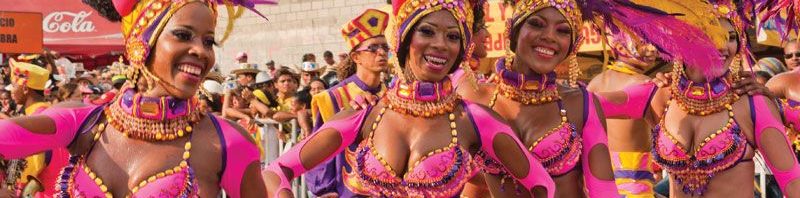
  • Discovering the Vibrant Cultural Festivals of South America

    Discovering the Vibrant Cultural Festivals of South America

    South America is a continent of unparalleled diversity, where ancient traditions harmoniously blend with modern celebrations. One of the best ways to immerse oneself in the rich tapestry of South American culture is by experiencing its vibrant festivals in person. From colorful carnivals to solemn religious processions, these cultural celebrations offer a unique glimpse into the heart and soul of the continent. In this guide, we’ll take you on a captivating journey through South America’s top cultural festivals that are a must-see for every travel enthusiast.

    1. Carnaval de Rio de Janeiro, Brazil: A Spectacle of Extravaganza:

    One cannot talk about South American festivals without mentioning the world-famous Carnaval de Rio de Janeiro in Brazil. Held annually before Lent, this extravagant carnival is a sensory explosion of colors, music, and dance. Samba dancers bedecked in elaborate costumes gracefully parade through the streets of Rio, accompanied by the infectious rhythms of samba music. The sheer exuberance of the revelry is infectious, and joining in the festivities is an experience of a lifetime. As you witness the glittering floats and vibrant street performances, you’ll understand why Rio’s Carnaval is hailed as one of the greatest shows on Earth.

    2. Inti Raymi, Cusco, Peru: Celebrating the Sun:

    In the heart of the Andes, the ancient Inca tradition of Inti Raymi is kept alive in the city of Cusco, Peru. Inti Raymi, meaning “Festival of the Sun,” is a tribute to the Inca sun god, Inti, and celebrates the winter solstice. The festival takes place on June 24th, and participants dressed in traditional Inca attire perform rituals and ceremonies in the historic Sacsayhuam n fortress. The event culminates with an awe-inspiring reenactment of the Inca emperor’s procession, paying homage to the sun’s life-giving energy. For a glimpse into Peru’s rich indigenous heritage, Inti Raymi is a must-attend festival.

    3. La Feria de las Flores, Medellin, Colombia: A Festival of Flowers and Culture:

    Medell n’s Feria de las Flores, or Flower Festival, is a joyful celebration of the city’s rich cultural heritage and the abundance of flowers that adorn its landscape. Taking place in August, the festival features vibrant parades, dazzling floral displays, and traditional music and dance performances. The highlight of the festival is the Desfile de Silleteros, where local flower farmers carry intricately designed flower arrangements on their backs. The sight of these colorful “silleteros” is a true testament to Colombia’s love for nature and its people’s resilience.

    4. Fiesta de la Tirana, Chile: Dance of the Diablada:

    Deep in the northern region of Chile, the small town of La Tirana hosts one of the country’s most captivating festivals. The Fiesta de la Tirana, also known as the Dance of the Diablada, is a fascinating blend of indigenous Andean rituals and Spanish Catholic traditions. The festival is dedicated to the Virgen del Carmen, the patron saint of Chile, and features vibrant processions, masked dancers, and lively music. The Diablada dance, performed by costumed dancers representing demons, is a symbolic reenactment of the battle between good and evil. For an authentic and mesmerizing cultural experience, the Fiesta de la Tirana is a hidden gem waiting to be explored.

    5. Qoyllur Rit’i, Peru: A Pilgrimage to the Snow Star:

    Deep in the Peruvian Andes, the Qoyllur Rit’i festival is a unique blend of indigenous Andean beliefs and Catholic traditions. Held in May or June, this pilgrimage draws thousands of devotees who trek to the Sinakara Valley to pay homage to the Lord of Qoyllur Rit’i, a sacred image painted on a rock. The festival is a mesmerizing fusion of colorful costumes, traditional music, and rituals performed against the stunning backdrop of snow-capped mountains. As a UNESCO-recognized cultural event, Qoyllur Rit’i offers a rare and authentic glimpse into the spiritual and cultural practices of the Andean people.

    6. Las Llamadas, Montevideo, Uruguay: A Rhythmic Carnaval Celebration:

    While Rio de Janeiro’s Carnaval may be the most famous in South America, Uruguay’s Las Llamadas is equally vibrant and full of energy. Held in Montevideo, Las Llamadas is a rhythmic celebration of African-Uruguayan heritage and the rich history of candombe music and dance. The festival takes place in February and features vibrant parades of drum ensembles, known as “comparsas,” marching through the streets, captivating the crowds with their hypnotic beats and infectious dance movements. Las Llamadas is a captivating testament to Uruguay’s multicultural identity and its deep-rooted connection to African heritage.

    7. Fiesta del Sol, San Juan, Argentina: Celebrating the Sun:

    In Argentina’s northwest, the city of San Juan hosts the Fiesta del Sol, a vibrant festival celebrating the summer solstice. Held in February, this joyous event features a mix of traditional and modern performances, including music, dance, and theater. The festival pays homage to the sun, the source of life and energy, and serves as a tribute to the region’s agricultural heritage. The colorful parades, impressive stage productions, and the crowning of the “Sun Queen” make Fiesta del Sol an engaging and memorable cultural experience.

    8. Festival de la Yuca, La Palma, Venezuela: A Tribute to Yuca:

    In the remote town of La Palma, Venezuela, the Festival de la Y ca celebrates the yuca plant, a vital crop in the region. Taking place in November, this agricultural festival features lively music, traditional dances, and vibrant cultural displays that showcase the importance of yuca in the local culture and cuisine. Yuca, also known as cassava, holds a significant place in the livelihood of the people of La Palma, as it is a staple crop that sustains their daily lives. During the festival, visitors can enjoy delicious yuca-based dishes, participate in traditional games and crafts, and witness the joyful camaraderie of the community as they come together to celebrate their agricultural heritage.

    9. Fiesta de la Candelaria, Puno, Peru: An Andean Carnival Celebration:

    Puno, located on the shores of Lake Titicaca in Peru, is home to the vibrant Fiesta de la Candelaria, a lively carnival celebrated in February. This festival combines indigenous Andean traditions with Christian religious practices, creating a unique and colorful spectacle. The main event features massive processions of folkloric dance groups, showcasing elaborate costumes and masks that depict a blend of Andean mythology and Spanish colonial influences. The contagious energy and rhythmic beats of the traditional music fill the streets as dancers pay homage to the Virgin of Candelaria. The Fiesta de la Candelaria is a visual feast that offers an unforgettable glimpse into the rich cultural heritage of the Andean region.

    10. Patagonian National Parks Day, Chile: A Celebration of Natural Heritage:

    While not a traditional cultural festival, Patagonian National Parks Day in Chile is an important celebration that honors the country’s stunning natural landscapes. Held on August 30th, this annual event promotes the conservation of Chile’s pristine wilderness and encourages people to connect with nature. Patagonia, with its breathtaking glaciers, towering mountains, and abundant wildlife, is a testament to Chile’s commitment to preserving its environmental heritage. On this day, visitors can enjoy free admission to Chile’s national parks and participate in various outdoor activities, such as hiking, wildlife spotting, and nature workshops. It’s an opportunity to experience the unspoiled beauty of Patagonia and appreciate the cultural value that Chile places on its natural wonders.

    11. Virgen de la Candelaria, Copacabana, Bolivia: A Bolivian Pilgrimage:

    In the Bolivian town of Copacabana, the Virgen de la Candelaria festival is a major religious pilgrimage that draws thousands of devout Catholics from across Bolivia and beyond. Held in early February, the festival pays homage to the revered Virgen de la Candelaria, also known as the Virgin of Copacabana. Pilgrims gather to show their devotion and seek blessings from the patron saint of the region. The festival features colorful processions, traditional dances, and heartfelt ceremonies that reflect the deep spirituality and cultural significance of the event. Participating in the Virgen de la Candelaria is a moving experience that allows travelers to witness the fusion of indigenous Andean beliefs with Catholic traditions in Bolivia.

    12. Festival Internacional de Jazz de Punta del Este, Uruguay: Harmonizing Music and Culture:

    Punta del Este, Uruguay’s glamorous seaside destination, hosts the International Jazz Festival each January, attracting jazz enthusiasts from around the world. This festival is a harmonious celebration of music and culture, with talented jazz musicians performing soulful melodies against the backdrop of the Atlantic Ocean. The event features a diverse lineup of international and local jazz artists, who come together to create an unforgettable musical experience. The Festival Internacional de Jazz de Punta del Este highlights Uruguay’s appreciation for arts and its vibrant cultural scene.

    13. Festival Internacional de Cine de Cartagena, Colombia: A Cinematic Celebration:

    Cartagena, with its stunning architecture and historical charm, serves as the perfect backdrop for the Festival Internacional de Cine de Cartagena (FICCI). Held in March, this renowned film festival celebrates the best of Latin American and international cinema. Directors, actors, and film enthusiasts gather to showcase their cinematic masterpieces and engage in thought-provoking discussions on the power of storytelling through film. FICCI is a cultural melting pot that bridges diverse narratives, uniting people through the universal language of cinema.

    14. Fiesta de la Pachamama, Argentina and Bolivia: Honoring Mother Earth:

    In the Andean regions of Argentina and Bolivia, the Fiesta de la Pachamama is a traditional celebration dedicated to Pachamama, the Inca goddess of fertility and Mother Earth. The festival takes place in August and involves offerings and ceremonies to thank Pachamama for the abundance of the harvest and to seek her protection and blessings. Participants make offerings of coca leaves, food, and other symbolic items, which are ceremonially burned or buried as a gesture of gratitude. The Fiesta de la Pachamama is a deeply spiritual event that reflects the Andean people’s profound connection to nature and their reverence for the earth that sustains them.

    15. Fiesta Nacional de la Vendimia, Mendoza, Argentina: A Toast to the Grape Harvest:

    In the wine-producing region of Mendoza, Argentina, the Fiesta Nacional de la Vendimia is a joyous celebration of the grape harvest and winemaking culture. Taking place in March, the festival features parades, live performances, and traditional folklore dances that pay tribute to the region’s viticulture heritage. The main event is the coronation of the “Vendimia Queen,” symbolizing the bountiful grape harvest. The festivities also include wine tastings, vineyard tours, and a grand fireworks display, making it a spirited and unforgettable celebration of Argentina’s wine culture.

    16. Vi a del Mar International Song Festival, Chile: The Celebration of Latin Music:

    Every year, during the last week of February, Vi a del Mar becomes the epicenter of Latin music with the Vi a del Mar International Song Festival. This prestigious festival attracts renowned artists from all over Latin America and the world, who compete for the coveted “Silver Seagull” award in various musical categories.

    The Vi a del Mar International Song Festival is an iconic event that has propelled the careers of numerous singers and bands, becoming a platform to showcase emerging and established talents. In addition to the musical competitions, the festival offers a diverse range of entertainment, including dance performances, comedy shows, and cultural exhibitions, making it a captivating celebration of Latin music and entertainment.

    In this article, we’ve explored a selection of South America’s top cultural festivals, showcasing the continent’s diverse cultural heritage and the unique experiences they offer. From the vibrant Carnaval de Rio de Janeiro to the ancient traditions of the Fiesta de la Pachamama, each festival provides a glimpse into the heart and soul of South America’s people and their rich tapestry of traditions. These festivals are not only a celebration of culture but also an invitation for travelers to immerse themselves in the vibrant rhythms, soulful melodies, and profound spirituality that define South America’s unique cultural landscape. Whether you’re a seasoned traveler or someone seeking to experience something new, these cultural festivals promise an unforgettable journey of discovery through the heart of South America’s diverse and enchanting heritage. Our article about the top best beaches in Colombia for your trip.
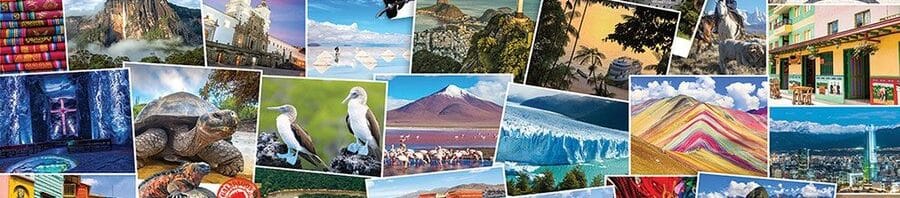
  • South America Travel Guide: Essential Planning Tips for a Memorable Journey

    South America Travel Guide: Essential Planning Tips for a Memorable Journey

    Embarking on a South American voyage promises a kaleidoscope of experiences, from breathtaking natural wonders to rich cultural tapestries. This diverse continent, home to the majestic Andes, the sprawling Amazon, and colorful, pulsating cities, offers an unparalleled adventure for every kind of traveler.

    Research and Exploration: Tailoring Your Itinerary
    Key to a fulfilling South American journey is thorough research. The continent’s vastness and variety demand careful consideration of destinations.
    Are you drawn to the ancient mysteries of Machu Picchu in Peru, the rugged beauty of Argentina’s Patagonia, or the rhythmic allure of Brazil’s street festivals? Tailor your journey to your interests, but remain open to the unexpected.

    Creating a Flexible Itinerary: The Art of Spontaneity
    Flexibility is your ally in navigating South America’s myriad adventures. A well-planned yet adaptable itinerary allows you to savor each location fully, embracing both planned activities and spontaneous explorations.
    Balance is crucial; ensure you allocate sufficient time to immerse yourself in each unique experience authentically.

    Logistical Planning: Flights, Accommodation, and Transportation
    Attention to logistics is vital for a stress-free experience. Early planning for flights, accommodations, and local transport can secure cost-effective options and confirm availability, particularly in sought-after locales.

    Visa Requirements and Travel Documentation: Navigating Bureaucracy
    Investigate visa regulations for your chosen destinations. South America’s countries vary in their entry requirements, with some mandating visas in advance and others allowing visa-free entry for certain nationalities.
    Ensure your passport is valid for at least six months beyond your intended stay and keep copies of crucial documents like passports and visas separately.

    Health and Safety: Precautions for a Safe Journey
    Consult a healthcare professional or travel clinic prior to departure. Vaccinations or preventive medications might be necessary for some regions.
    Stay informed about local safety norms, avoiding high-risk areas and adhering to safety guidelines.
    Keep your belongings secure, especially in crowded areas, and heed travel advisories from local and international bodies.

    Language and Communication: Bridging the Linguistic Divide
    Language is a vibrant part of South America’s identity, with Spanish predominating in many countries. A grasp of basic Spanish phrases, or phrases in the native language of your destination, can significantly enrich your interactions.
    This not only enhances cultural immersion but also fosters more meaningful connections with locals.

    Additionally, equipping yourself with a translation app or a pocket dictionary is a practical solution to language barriers.
    Effective communication in the local language is a key to unlocking a deeper, more authentic South American experience. Prepare to delve into the continent’s rich linguistic tapestry!

    Money and Budget: Financial Planning for Your Trip
    Understanding the local currency and current exchange rates is crucial. A blend of cash and card payments is advisable for convenience and security.
    Crafting a detailed budget prior to your trip, considering the varying costs across different countries, is essential. Efficient financial planning enables you to relish your South American adventure without monetary concerns.

    Local Customs and Etiquette: Embracing Cultural Nuances
    Respecting local customs is pivotal when exploring South America. Acquaint yourself with common etiquettes like greeting norms, tipping practices, and appropriate dress codes for sacred and cultural sites.
    Adhering to these customs not only shows respect but also deepens your cultural engagement, paving the way for a more profound connection with the communities you visit.

    Transportation and Commuting: Navigating with Ease
    South America’s diverse landscape is matched by its array of transportation options, including flights, buses, trains, and taxis. Researching the most effective transportation methods in each country enhances the travel experience, especially when visiting remote or popular trekking destinations.
    Pre-booking transport and accommodations is advisable to ensure availability and ease your journey.

    Must-See Destinations: Uncovering South America’s Wonders

    South America is replete with destinations that promise awe and wonder. Essential stops include:

    Machu Picchu, Peru: A testament to Incan ingenuity, nestled amidst lush Andean mountains.
    Amazon Rainforest, Brazil: A biodiverse haven offering an unparalleled jungle experience.
    Salar de Uyuni, Bolivia: The world’s largest salt flat, offering surreal landscapes.
    Iguazu Falls, Argentina/Brazil: A breathtaking natural marvel straddling two nations.
    Buenos Aires, Argentina: A city pulsating with culture, history, and the rhythm of tango.
    Beyond these iconic locations, delve into less-explored destinations for unique, hidden treasures that will add depth to your South American exploration.

    Tips for Argentina: A Blend of Culture and Gastronomy

    Experience Tango: Buenos Aires, the tango capital, invites you to not just watch but participate in this passionate dance. Tango shows and dance classes offer a glimpse into the soul of Argentine culture.
    Savor Asado and Malbec: Argentina’s culinary scene is incomplete without experiencing a traditional asado and sipping on renowned Malbec wine. This gastronomic journey is a must for every food enthusiast.

    Tips for Chile: Natural Splendor and Winemaking Excellence

    Patagonian Expedition: Explore the awe-inspiring Torres del Paine and the majestic Perito Moreno Glacier. Hiking in Chilean Patagonia is an immersive experience in one of the planet’s most pristine environments.
    Wine Tasting Adventure: Chile, with its fertile valleys like Maipo and Colchagua, is a haven for wine lovers. Wine tours offer insights into sophisticated winemaking processes and tastings of exquisite vintages.

    Tips for Brazil: Carnival Festivities and Amazon Adventures

    Carnival Experience: Brazil’s Carnival epitomizes the country’s vibrant culture. In cities like Rio de Janeiro, Salvador, and Recife, join in the energetic parades, pulsating music, and exuberant street parties for an authentic Brazilian celebration.
    Amazon Exploration: From Manaus or Iquitos, venture into the Amazon.
    Opt for river cruises or jungle hikes to encounter extraordinary wildlife, lush biodiversity, and gain insights into indigenous communities.

    Tips for Colombia: Historical Elegance and Coffee Heritage

    Charm of Cartagena: Wander through Cartagena’s historic old town, a UNESCO World Heritage treasure. Admire its colonial architecture, historical landmarks, and indulge in local gastronomic delights.
    Coffee Culture Immersion: Colombia’s Coffee Triangle beckons with its verdant plantations. Learn about coffee cultivation, savor freshly brewed Colombian coffee, and embrace the region’s rich coffee heritage.

    Tips for Ecuador: Wildlife Wonders and Historical Splendor

    Galapagos Adventure: The Galapagos Islands, a haven of unique wildlife and breathtaking landscapes, are a must-visit. Snorkel with sea turtles, observe rare species, and explore the islands’ volcanic terrain.
    Quito’s Historical Core: Explore Quito’s old town, a blend of colonial architecture and cultural heritage. Visit historic churches and enjoy panoramic city views from the Teleférico.

    Tips for Peru: Ancient Wonders and Culinary Delights

    Machu Picchu Exploration: The ancient Incan city of Machu Picchu is a highlight of any Peru trip. Choose between hiking the Inca Trail or a scenic train journey to reach these majestic ruins.
    Lima’s Culinary Scene: Lima’s gastronomy is globally acclaimed. Sample its signature ceviche, indulge in its renowned roast chicken, and explore a myriad of flavors from upscale eateries to local street food stalls.
    Lima offers a palate-pleasing journey through Peru’s rich culinary landscape.

    Latest Tips for Traveling to South America: Essential Advice for a Seamless Journey

    a. Early Planning: The vast and varied landscape of South America calls for early trip planning. Start well in advance to meticulously research and curate your itinerary. This foresight allows for aligning your travel plans with your interests, securing the best deals on flights and accommodations, and ensuring a well-organized adventure.

    b. Itinerary Flexibility: While a well-planned itinerary is crucial, so is the ability to adapt. South America, with its dynamic environment, may present unforeseen changes like flight delays or accommodation issues.
    Embracing flexibility helps you navigate these situations calmly, ensuring that your travel experience remains enjoyable despite any hiccups.

    c. Embrace New Experiences: South America is a continent rich in diversity, offering a spectrum of unique and enriching experiences. From savoring local cuisines to engaging in offbeat activities and forming connections with locals, each experience adds depth to your journey.
    Stay open to these opportunities as they can lead to unforgettable memories and lifelong friendships. Prepare for a journey filled with discovery and personal growth in the vibrant heart of South America.

    Our South America travel guide has provided essential information to help you plan a memorable journey through this vibrant continent. Embracing these South America travel tips ensures an enriching and seamless experience.
    Remember, South America’s diversity in culture, nature, and adventures makes it a unique destination.
    Whether it’s your first visit or a return journey, these travel tips for South America are key to unlocking the wonders of this extraordinary land.
    Safe travels and enjoy every moment of your South American adventure!

  • Off the Beaten Path: Uncovering Underrated Destinations in South America

    Off the Beaten Path: Uncovering Underrated Destinations in South America

    South America, a vast and diverse continent, is renowned for its iconic destinations such as Machu Picchu, Rio de Janeiro, and the Amazon rainforest. However, beyond these well-trodden paths lies a treasure trove of lesser-known, yet breathtaking destinations waiting to be discovered.
    In this article, we’ll venture off the beaten path and explore some of the most underrated destinations in South America, offering travelers a chance to embrace the beauty of unspoiled landscapes, rich cultural heritage, and unique experiences. Let’s dive into the heart of South America’s hidden gems.

    chachapoyas peru

    Unveiling Chachapoyas, Peru: South America’s Hidden Gem

    In Peru’s northern highlands, Chachapoyas is an undiscovered treasure waiting to be explored. This article uncovers the enigmatic beauty of Chachapoyas, offering a glimpse of its mystical ruins, majestic waterfalls, and ancient culture.

    1. Kuelap Fortress: Mystical Ruins
      Dubbed “The Machu Picchu of the North,” Kuelap Fortress enchants with its ancient stone walls and breathtaking cloud forest setting. A step back in time to a world of mystery and grandeur.
    2. Gocta Waterfall: Natural Wonder
      Prepare to be mesmerized by Gocta Waterfall, one of the world’s tallest cascades. A rewarding hike through lush trails leads to a majestic view of nature’s wonder.
    3. Revash Mausoleums: Cliffside Secrets
      The haunting Revash Mausoleums, perched above the Utcubamba River Gorge, reveal the customs of the lost Chachapoya civilization in their red and white triangular structures.
    4. Leymebamba Museum: Glimpse into the Past
      Explore the Leymebamba Museum’s impressive collection of artifacts and mummies, offering insights into the region’s rich cultural heritage.
    5. Yumbilla Waterfall: Nature’s Hidden Gem
      Discover Yumbilla Waterfall, one of the world’s tallest, tucked away in Chachapoyas’ untouched wilderness. A serene and secluded experience.

    Chachapoyas, Peru, holds a world of wonders for the intrepid traveler. Unveil the mysteries of this hidden gem and embrace the enchanting beauty of South America’s well-kept secret.

    Guyana: A Hidden Eco-Tourism Gem

    Tucked away on the northeastern coast of South America, Guyana awaits adventurous souls seeking an authentic eco-tourism experience. This article sheds light on the undiscovered beauty of Guyana, offering a glimpse of its pristine rainforests, vast savannas, and unique wildlife.

    1. Kaieteur Falls: Nature’s Masterpiece
      Kaieteur Falls, one of the world’s most powerful waterfalls, thunders down from a sandstone plateau, surrounded by untouched rainforest. A sight of awe-inspiring natural beauty.
    2. Iwokrama Forest: Wilderness Wonderland
      Embrace the untouched wilderness of the Iwokrama Forest, where jaguars, giant otters, and over 500 bird species roam freely. A paradise for nature enthusiasts.
    3. Rupununi Savannas: Immense Grasslands
      The vast Rupununi Savannas offer a surreal landscape of grasslands and scattered mountains. Explore the traditional villages and experience the vibrant culture of indigenous communities.
    4. Kanuku Mountains: Biodiversity Haven
      The Kanuku Mountains boast unparalleled biodiversity, with endemic species and diverse flora. An expedition into the heart of this pristine wilderness is an adventure like no other.
    5. Shell Beach: Sea Turtle Sanctuary
      Visit Shell Beach, a nesting ground for endangered sea turtles, including leatherbacks and green turtles. Witnessing these gentle giants lay their eggs is a truly magical experience.

    Guyana, an untouched eco-tourism gem, invites nature lovers to embark on a journey of discovery. From the powerful Kaieteur Falls to the biodiverse Kanuku Mountains, Guyana’s natural wonders and vibrant culture promise an unforgettable and sustainable travel experience. Venture off the beaten path and immerse yourself in the unspoiled beauty of this hidden treasure in South America.

    Bolivia’s Surprising Salt Flats and Colorful Lagoons

    Bolivia, a land of wonders in South America, offers more than just its famed salt flats. This article unveils the surprising beauty of Bolivia’s lesser-known salt flats and colorful lagoons, promising an extraordinary journey through breathtaking landscapes and vibrant natural wonders.

    1. Salar de Uyuni: Nature’s Mirror
      While Salar de Uyuni is gaining popularity, it remains an awe-inspiring sight to behold. The world’s largest salt flat transforms into a stunning mirror during the rainy season, creating an otherworldly illusion that captivates every visitor.
    2. Eduardo Avaroa Andean Fauna National Reserve: Lagoon Wonderland
      Venture further into Bolivia’s surreal landscape and discover the Eduardo Avaroa Andean Fauna National Reserve. Its colorful lagoons, such as Laguna Colorada and Laguna Verde, showcase vibrant hues due to the minerals present, creating a painter’s palette come to life.
    3. Tupiza: A Hidden Gem
      Escape to the charming town of Tupiza, surrounded by striking red canyons and mesas. Embark on horseback adventures through landscapes that inspired the legendary tales of Butch Cassidy and the Sundance Kid. Tupiza’s rugged beauty leaves an indelible mark on all who visit.
    4. Uyuni’s Train Cemetery: Rustic Relics
      Delve into Bolivia’s industrial past at Uyuni’s Train Cemetery, where rusted locomotives and wagons lie abandoned in the vast desert. This unique attraction offers a glimpse into the country’s history and an opportunity for captivating photographs.
    5. Sajama National Park: A Volcanic Wonderland
      Explore Sajama National Park, home to Bolivia’s highest peak, Nevado Sajama. Witness the stunning landscapes dotted with hot springs, geysers, and unique flora and fauna. This off-the-beaten-path destination promises an adventure of discovery.

    Bolivia’s salt flats and colorful lagoons are just the beginning of the country’s hidden wonders. From the mesmerizing Salar de Uyuni to the vibrant lagoons in Eduardo Avaroa Andean Fauna National Reserve, Bolivia offers a unique blend of nature’s artistry.
    As you explore the hidden gems of Tupiza, the rustic allure of the Train Cemetery, and the volcanic wonders of Sajama National Park, you’ll be immersed in Bolivia’s rich tapestry of beauty and surprises.
    Venture beyond the ordinary and uncover Bolivia’s lesser-known treasures for an unforgettable South American adventure.

    The Cultural Melting Pot of Barranquilla, Colombia

    Barranquilla, a vibrant city on Colombia’s Caribbean coast, boasts a rich cultural heritage that blends traditions from diverse backgrounds.
    This article delves into the captivating cultural melting pot of Barranquilla, showcasing its colorful streets, dynamic festivals, and warm hospitality, making it a must-visit destination for those seeking an immersive cultural experience.

    1. Carnaval de Barranquilla: A Spectacle of Joy
      Barranquilla’s Carnaval is a celebration like no other, recognized as a Masterpiece of the Oral and Intangible Heritage of Humanity by UNESCO.
      This four-day extravaganza showcases a fusion of Colombian, African, and indigenous traditions, featuring vibrant parades, lively music, and flamboyant costumes. Immerse yourself in the joyous spirit of Carnaval and embrace the essence of Colombian culture.
    2. Street Art and Colorful Streets
      Barranquilla’s streets come alive with vibrant street art, depicting the city’s history, culture, and social issues. Take a stroll through neighborhoods adorned with colorful murals, each telling its own unique story. The art scene here is a reflection of the city’s artistic soul and a testament to its creativity.
    3. Gastronomic Delights: Flavors of Colombia
      Indulge in the diverse culinary delights of Barranquilla, which draw inspiration from various regions of Colombia. Savor traditional dishes like arepas, sancocho, and ceviche, each reflecting the city’s fusion of flavors and culinary heritage.
    4. La Cueva: Afro-Colombian Rhythms
      Experience the heart of Barranquilla’s vibrant nightlife at La Cueva, a club where Afro-Colombian rhythms fill the air. Dance to the beat of cumbia, vallenato, and champeta, and let the music immerse you in the soulful spirit of Colombia.
    5. Museums and Historical Sites
      Explore Barranquilla’s museums and historical sites to gain deeper insights into the city’s past. The Museo del Caribe celebrates the region’s history, traditions, and biodiversity, while the Castillo de Salgar offers a glimpse of colonial architecture and breathtaking coastal views.

    Barranquilla, Colombia’s cultural melting pot, is a city that embraces diversity and celebrates its roots with boundless enthusiasm. Whether dancing at Carnaval, admiring street art, or savoring delectable Colombian cuisine, Barranquilla offers an immersive cultural experience like no other.
    Embrace the warmth of its people, the rhythm of its music, and the vividness of its streets as you immerse yourself in the heart and soul of this captivating city on Colombia’s Caribbean coast.

    The Mystique of Easter Island, Chile: Unveiling the Enigmatic Island

    Easter Island, an isolated and enigmatic land in the Pacific Ocean, holds a fascination that captivates travelers from around the world.
    This article unravels the mystique of Easter Island, showcasing its iconic Moai statues, ancient cultural heritage, and breathtaking landscapes, making it a destination of intrigue and wonder.

    1. The Enigmatic Moai: Guardians of the Island

    The Moai statues, Easter Island’s most iconic feature, stand tall and enigmatic, guarding the island’s secrets. These massive stone figures, carved by the ancient Rapa Nui people, have puzzled historians and archeologists for centuries. Witnessing the Moai in their natural setting is an awe-inspiring experience that leaves visitors in awe of the island’s mysterious past.

    1. Orongo: The Ceremonial Village

    Explore Orongo, an ancient ceremonial village perched on the rim of the Rano Kau volcano. Here, the Birdman cult held its rituals, and petroglyphs depict the stories of the island’s fascinating history.
    The location offers stunning views of the surrounding landscape and the vast Pacific Ocean.

    1. Rano Raraku: The Quarry of the Moai

    Visit Rano Raraku, the quarry where the Moai were carved from volcanic rock. The site is a museum of sorts, with partially completed statues scattered throughout the slopes, providing insight into the sculpting process and the island’s past.

    1. Anakena Beach: A Tranquil Retreat

    Relax on the pristine white sands of Anakena Beach, a tranquil haven amidst the island’s mysteries. Surrounded by palm trees and Moai statues, this idyllic spot is a perfect place to soak in the natural beauty and serenity of Easter Island.

    1. Majestic Sunrises and Sunsets

    Easter Island offers majestic sunrises and sunsets that paint the sky with breathtaking colors. Watching the first rays of sunlight grace the Moai or witnessing the statues silhouetted against the setting sun is a magical experience that adds to the island’s mystique.

    Easter Island, Chile’s remote and enigmatic gem, beckons travelers to uncover its mysteries and immerse themselves in its ancient wonders. From the watchful gaze of the Moai to the sacred rituals of Orongo, the island offers a unique journey through time and history.
    With its intriguing past and stunning landscapes, Easter Island continues to allure curious adventurers seeking an unforgettable experience at the edge of the world.

    South America is a continent of diverse landscapes and cultures, offering travelers a plethora of extraordinary destinations to explore. While popular tourist spots are undeniably captivating, the underrated gems mentioned above provide a chance to escape the crowds and immerse oneself in the true essence of a place.
    From the mystical ruins of Chachapoyas to the pristine wilderness of Guyana, these underrated destinations are ready to unveil their hidden treasures to intrepid travelers willing to venture off the beaten path. Hope you liked this South America destinations.
    So, pack your bags and set out on a journey of discovery to uncover the lesser-known, yet enchanting, side of South America.