
Introduction to Rio Carnival
Rio de Janeiro’s Carnival is one of the most spectacular festivals in the world. For several days, the city transforms into a massive stage filled with colors, music, and dance, attracting millions of visitors from across the globe. This event is not just a celebration but a cultural phenomenon that showcases the true essence of Brazil, where samba and joy take center stage.
From the breathtaking parade at the Sambadrome to the energetic street parties, Rio Carnival offers unforgettable experiences for those eager to immerse themselves in Brazilian traditions. Whether you’re planning your first trip to this iconic festival or looking to enhance your experience, this guide will provide essential information on its history, main events, and top tips for enjoying Rio Carnival to the fullest.

History and Tradition
The origins of Rio Carnival date back to the 18th century when Portuguese settlers introduced “Entrudo,” a festival marking the days before Lent, characterized by street games and parades. Over time, these celebrations blended with African and indigenous influences, giving rise to samba—a genre that became the heartbeat of the festival.
Here an article about discover Argentina top places to visit.
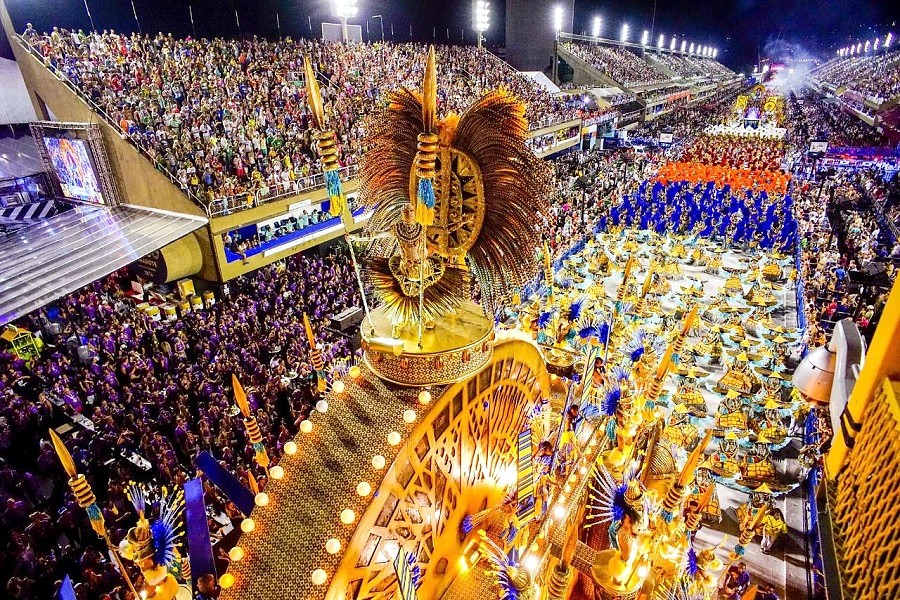
By the early 20th century, organized parades began taking shape, and in 1984, the Sambadrome Marquês de Sapucaí was built to provide a dedicated venue for the grand spectacle. Today, experiencing the Rio Carnival parade is a must for visitors, offering a mix of extravagant floats, dazzling costumes, and electrifying music.
Each year, the top samba schools compete, presenting themes that tell stories through their performances. This event is more than just entertainment; it is a deeply rooted tradition that reflects Brazil’s rich cultural heritage and artistic expression.
The Sambadrome Parade: The Heart of Rio Carnival
The Sambadrome parade is the highlight of Rio Carnival, featuring a competition among the city’s best samba schools. These schools spend an entire year preparing their performances, which include elaborately decorated floats, hundreds of dancers, and infectious drum rhythms.
Held at the Sambadrome Marquês de Sapucaí, the event offers different ticket options ranging from affordable grandstand seats to exclusive VIP boxes. For those looking for a truly immersive experience, it is even possible to participate in the parade by joining one of the samba schools.
The energy inside the Sambadrome is unparalleled. The moment the first beats of the bateria (samba drum section) echo through the stadium, the entire crowd is swept into the festival’s contagious rhythm. The performances are judged on elements such as theme, choreography, music, and costume design, making the competition fierce and the experience unforgettable.
Beyond the Sambadrome: Street Parties and Blocos
While the Sambadrome parade is the most famous event, Rio Carnival extends far beyond its grandstands. Throughout the city, street parties, known as “blocos,” take over the streets, offering a more spontaneous and immersive way to experience the celebration.
Blocos range from small neighborhood gatherings to massive parades with hundreds of thousands of revelers. Each bloco has its own theme, music, and style, from traditional samba to funk, reggae, and even rock. Some of the most famous blocos include:
Cordão da Bola Preta: One of the oldest and most traditional, attracting millions of people dressed in black and white.
Sargento Pimenta: A bloco that blends samba with Beatles songs, creating a unique fusion.
Banda de Ipanema: A lively LGBTQ+ friendly bloco known for its extravagant costumes and joyful atmosphere.
Céu na Terra: A more family-friendly bloco in the charming Santa Teresa neighborhood.
Unlike the ticketed Sambadrome parade, blocos are free and open to everyone. This is where locals and tourists mingle, dancing in the streets from morning until late at night. For many, blocos represent the true spirit of experiencing Rio Carnival, as they allow for direct interaction with the city’s culture and people.
Essential Tips for Enjoying Rio Carnival
Attending the world’s biggest carnival requires some planning. Here are some key tips to make the most of your experience while staying safe and comfortable.

- Plan Your Trip in Advance
Rio Carnival attracts millions of visitors, so booking flights and accommodation early is essential. The best areas to stay for easy access to the celebrations are:
- Copacabana and Ipanema: Perfect for beach lovers who want to enjoy both the festival and Rio’s coastline.
- Lapa and Santa Teresa: Great for nightlife and a more bohemian atmosphere.
- Centro and Flamengo: Closer to the Sambadrome and historical attractions.
Prices for hotels and Airbnb rentals increase significantly during Carnival, so reserving months in advance is highly recommended.
- Choose the Right Events for You
If you love structured performances and want a front-row seat to the Sambadrome parade, buying a ticket is a great option. However, if you prefer a more casual and interactive experience, attending street blocos is the way to go. Many visitors choose to do both for a full Carnival experience. - Dress Comfortably (and Festively!)
Carnival is all about creativity and self-expression. Whether you’re attending the parade or a bloco, dressing up is encouraged. You don’t need an elaborate costume, but colorful outfits, accessories, and face paint help you blend into the festive atmosphere. Comfortable shoes are a must, as you’ll likely be walking and dancing for hours. - Stay Safe in Crowded Areas
Rio Carnival is a joyous celebration, but large crowds can also attract pickpockets. Some safety tips include:
- Carry only essentials (ID, some cash, and a phone).
- Use a money belt or an anti-theft bag.
- Stick with friends and agree on a meeting point in case you get separated.
- Avoid isolated streets, especially at night.
- Hydrate and Pace Yourself
With temperatures often exceeding 30°C (86°F) and long hours of partying, staying hydrated is crucial. Water and coconut water are excellent choices to keep energy levels up. If you plan on drinking alcohol, pace yourself and eat regularly to avoid dehydration or exhaustion. - Use Public Transport or Ride-Sharing Apps
During Carnival, traffic in Rio can be chaotic, and parking is nearly impossible. The best ways to get around are:
- Metro: Fast and reliable, with extended hours during Carnival.
- Buses and VLT (tram): Useful but often crowded.
- Ride-sharing apps (Uber, 99): A safer and more convenient option, especially at night.
Walking is also a great way to explore the city and join different blocos, but always be aware of your surroundings.
Conclusion: The Magic of Rio Carnival
Rio Carnival is more than just a festival—it’s an explosion of culture, rhythm, and joy that defines Brazil’s spirit. Whether you choose to witness the spectacular Sambadrome parade or dance freely in the vibrant street blocos, this celebration offers something for everyone.
Beyond the music and costumes, Rio Carnival is a time when social barriers disappear, and people from all backgrounds come together to celebrate life. With the right planning and an open mind, you’ll experience one of the most unforgettable events in the world.
If Rio Carnival is on your travel bucket list, prepare for an adventure like no other. The city will welcome you with open arms, inviting you to dance, sing, and embrace the magic of this extraordinary celebration.