Introduction to Argentina’s Adventure Travel
Argentina, a country known for its diverse landscapes and vibrant culture, is a top destination for adventure seekers. From the towering peaks of the Andes to the expansive Patagonian wilderness, Argentina offers a plethora of thrilling activities for every type of adventurer. Whether you’re an avid hiker, a daring mountaineer, or someone who loves exploring off-the-beaten-path, Argentina has something to offer.
The Allure of Argentina’s Natural Beauty
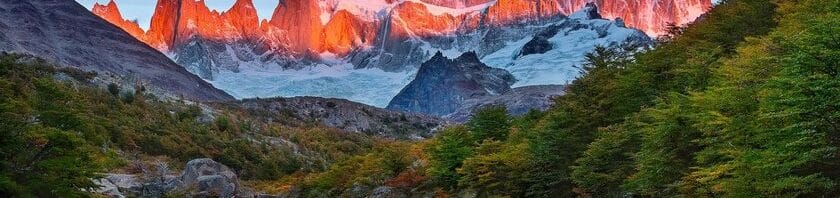
Argentina’s natural beauty is unparalleled. The country boasts some of the most dramatic landscapes in South America, making it a paradise for outdoor enthusiasts. The Patagonian region, with its jagged peaks, sprawling glaciers, and crystal-clear lakes, is a prime destination for hiking, trekking, and mountaineering. The famous Fitz Roy Massif and Cerro Torre attract climbers from around the world, while the Torres del Paine National Park offers a network of trails that cater to all levels of hikers.
In the north, the Iguazu Falls, one of the largest waterfall systems in the world, provide a stunning backdrop for adventure activities like rafting, kayaking, and zip-lining. The lush subtropical rainforest surrounding the falls is home to diverse wildlife, offering opportunities for wildlife spotting and birdwatching.

Adventure Activities in Argentina
Argentina’s diverse geography allows for a wide range of adventure activities. Here are some of the most popular:
Hiking and Trekking: The Andean mountain range provides numerous trails, ranging from easy day hikes to challenging multi-day treks. The W Circuit in Torres del Paine and the Huemul Circuit in Los Glaciares National Park are among the most famous.
Mountaineering: The Andes offer some of the best mountaineering opportunities in the world. Aconcagua, the highest peak in the Americas, is a coveted climb for mountaineers. Other notable climbs include Cerro Torre and Mount Fitz Roy.
Rafting and Kayaking: The rivers in Patagonia and the Lake District provide excellent conditions for white-water rafting and kayaking. The Manso River near Bariloche is a popular spot for both beginners and experienced rafters.
Wildlife Safaris: In the Iberá Wetlands, visitors can embark on safari tours to spot caimans, capybaras, and an array of bird species. The Valdés Peninsula is another hotspot for wildlife, known for its marine life, including whales, seals, and penguins.
Cultural Experiences
Adventure travel in Argentina isn’t just about physical activities. The country’s rich cultural heritage enhances the travel experience. Visitors can immerse themselves in local traditions, sample world-renowned Argentine cuisine, and enjoy the hospitality of the locals. In the Andean regions, travelers can visit traditional villages, learn about indigenous cultures, and witness local festivals.
The blend of outdoor adventure and cultural exploration makes Argentina a unique and compelling destination. The country’s commitment to preserving its natural and cultural heritage ensures that adventure travel here is both exciting and sustainable.
Top Adventure Destinations in Argentina
Argentina’s vast territory is home to numerous adventure destinations that cater to all types of thrill-seekers. From the icy landscapes of Patagonia to the rugged mountains of the Andes and the lush jungles of the north, Argentina offers a diverse range of environments for exploration and adventure.
If do you are interested in Argentina adventure travel can check the Travel Agency website.
Patagonia: The Ultimate Adventure Playground
Patagonia, the southernmost region of Argentina, is a haven for outdoor enthusiasts. This remote area is characterized by its dramatic landscapes, including glaciers, fjords, and towering mountain ranges.
- El Chaltén: Known as the trekking capital of Argentina, El Chaltén offers some of the best hiking and mountaineering opportunities in the country. The iconic Fitz Roy Massif and Cerro Torre provide challenging climbs for experienced mountaineers. For those seeking less strenuous activities, there are numerous trails with breathtaking views, such as the Laguna de los Tres and Laguna Torre.
- Perito Moreno Glacier: Located in Los Glaciares National Park, the Perito Moreno Glacier is one of the most accessible and spectacular glaciers in the world. Visitors can explore the glacier on guided ice trekking tours or take boat trips to get up close to its towering ice walls.
- Bariloche: Nestled in the foothills of the Andes, Bariloche is a year-round destination offering a wide range of adventure activities. In winter, it transforms into a skiing paradise, while in summer, the surrounding lakes and mountains provide perfect conditions for hiking, mountain biking, and kayaking. The Circuito Chico is a popular route for cyclists and offers stunning views of the Nahuel Huapi Lake.
The Andes: Peaks and High-Altitude Adventures
The Andes mountain range runs along the western edge of Argentina, providing numerous opportunities for high-altitude adventures.
- Mendoza: Mendoza is not only famous for its wine but also as a gateway to the Andes. The region offers various trekking and mountaineering opportunities. The Aconcagua Provincial Park is a must-visit for climbers, home to Mount Aconcagua, the highest peak outside the Himalayas. The climb is challenging but rewarding, offering breathtaking views from the summit.
- Salta and Jujuy: In the northwest of Argentina, the provinces of Salta and Jujuy are known for their colorful landscapes and rich cultural heritage. The Quebrada de Humahuaca, a UNESCO World Heritage site, offers stunning trekking routes through its vibrant rock formations. The Salinas Grandes, one of the largest salt flats in the world, provides a unique and surreal landscape for exploration.
The Northeast: Jungle and Waterfall Adventures
The northeastern region of Argentina is characterized by its lush subtropical rainforests and spectacular waterfalls.
- Iguazu Falls: One of the most awe-inspiring natural wonders of the world, Iguazu Falls is a must-visit for any adventure traveler. The falls are part of the Iguazu National Park, which offers various trails and boat tours that allow visitors to experience the falls up close. For Iguazu Falls Tours we recommend these Travel Agency.
For a more thrilling experience, visitors can take a helicopter ride over the falls or go white-water rafting on the Iguazu River. - Iberá Wetlands: The Iberá Wetlands, located in the province of Corrientes, are one of the most important freshwater wetlands in South America. The area is a biodiversity hotspot, home to caimans, capybaras, and over 350 species of birds. Visitors can explore the wetlands on guided boat tours, horseback riding, or even on foot with safari-style excursions.
The Atlantic Coast: Marine Adventures
Argentina’s Atlantic coast offers unique marine adventures and wildlife experiences.
- Valdés Peninsula: A UNESCO World Heritage site, the Valdés Peninsula is renowned for its marine wildlife. Visitors can go whale watching to see southern right whales, orcas, and dolphins. The coastline is also home to large colonies of seals, sea lions, and Magellanic penguins. Snorkeling and scuba diving with sea lions are popular activities here.
- Puerto Madryn: Puerto Madryn is the gateway to the Valdés Peninsula and a hub for marine adventures. Besides whale watching, the area offers excellent opportunities for diving and snorkeling. The nearby Punta Tombo is one of the largest penguin colonies in South America, where visitors can walk among thousands of Magellanic penguins during the breeding season.
Argentina’s diverse landscapes and rich biodiversity make it a premier destination for adventure travel. Whether you’re drawn to the icy expanses of Patagonia, the rugged peaks of the Andes, or the lush jungles of the north, Argentina offers endless opportunities for exploration and excitement.
Planning Your Argentina Adventure Travel
Planning an adventure trip to Argentina requires careful consideration of various factors to ensure a seamless and enjoyable experience. From choosing the right time to visit to packing the necessary gear and arranging accommodations, here are some essential tips to help you plan your adventure in Argentina.
Best Time to Visit Argentina
Argentina’s diverse geography means that the best time to visit can vary depending on the region and the type of activities you plan to do. More argentina adventure travel tips.
Patagonia: The ideal time to visit Patagonia is during the summer months from December to February. This period offers the warmest weather and the longest daylight hours, perfect for hiking and outdoor activities. However, be prepared for crowded trails and higher prices during this peak season.

Andes and Mendoza: For trekking and mountaineering in the Andes, the best time is from November to March. This season provides the best weather conditions for high-altitude adventures. For wine tourism in Mendoza, visit during the grape harvest in March and April.
Iguazu Falls and the Northeast: The best time to visit Iguazu Falls is during the spring (September to November) or fall (March to May) when the weather is pleasant, and the water levels are high. The summer months can be extremely hot and humid.
Valdés Peninsula: The prime time for whale watching on the Valdés Peninsula is from June to December, with the peak season being September and October.
Packing Essentials
Packing for an adventure trip to Argentina requires a mix of essential gear and clothing tailored to the specific activities and regions you plan to explore.
Clothing: Layered clothing is essential, especially for Patagonia and the Andes, where weather conditions can change rapidly. Pack moisture-wicking base layers, insulating mid-layers, and waterproof outer layers. Don’t forget a warm hat, gloves, and a scarf for colder regions. For warmer areas like Iguazu Falls, pack light, breathable clothing and a hat for sun protection.
Footwear: Sturdy, comfortable hiking boots are a must for trekking and mountaineering. For water-based activities, pack water shoes or sandals with good grip.
Gear: Depending on your activities, consider packing a tent, sleeping bag, and camping gear for multi-day treks. A good quality backpack, hydration system, and trekking poles can enhance your hiking experience. For photography enthusiasts, a camera with a zoom lens is ideal for capturing wildlife and landscapes.
Miscellaneous: Other essentials include sunscreen, insect repellent, a first aid kit, a reusable water bottle, and travel insurance that covers adventure activities.
Accommodations
Argentina offers a wide range of accommodations, from luxury hotels to budget-friendly hostels and campsites.
Patagonia: In popular areas like El Chaltén and Bariloche, you’ll find a variety of lodges, hostels, and campsites. Booking in advance is recommended, especially during the peak season.
Andes and Mendoza: Mendoza offers a range of accommodations, including boutique hotels and vineyard lodges. In the Andean regions, you’ll find mountain lodges and refugios (mountain huts) that cater to trekkers and climbers.
Iguazu Falls: Near Iguazu Falls, options range from luxury resorts to budget hostels. Staying in Puerto Iguazu, the closest town to the falls, provides easy access to the national park.
Valdés Peninsula: In Puerto Madryn, the gateway to the Valdés Peninsula, you’ll find various accommodations, including hotels, hostels, and guesthouses. Staying in Puerto Pirámides, a small village within the peninsula, offers a more intimate wildlife experience.
Travel Tips
Language: While Spanish is the official language, English is widely spoken in tourist areas. Learning a few basic Spanish phrases can enhance your travel experience and interactions with locals.
Currency: The Argentine peso is the official currency. It’s advisable to carry cash, especially in remote areas where card payments may not be accepted. ATMs are available in most towns, but they can charge high withdrawal fees.
Health and Safety: Ensure you have comprehensive travel insurance that covers adventure activities. Vaccinations are not required for Argentina, but it’s advisable to check with your healthcare provider. Stay hydrated and protect yourself from the sun and insects, especially in jungle regions.
Transportation: Domestic flights are the most convenient way to travel long distances within Argentina. For regional travel, buses are a reliable and affordable option. Renting a car provides flexibility, especially for exploring remote areas.
Planning your adventure trip to Argentina with these tips in mind will help ensure a smooth and enjoyable experience, allowing you to fully immerse yourself in the diverse landscapes and thrilling activities this beautiful country has to offer.
Getting to Argentina: Travel Tips
Traveling to Argentina, whether from a neighboring country or from across the globe, requires some preparation to ensure a smooth journey. Here’s a comprehensive guide to help you plan your trip, including information on flights, visas, and essential travel tips.
International Flights to Argentina
Argentina is well-connected with major international destinations, making it accessible for travelers from around the world. The primary gateway is Buenos Aires, served by Ministro Pistarini International Airport (Ezeiza), located about 22 kilometers from the city center.
Major Airlines, Several international airlines operate direct flights to Buenos Aires, including:
American Airlines: Offers flights from major U.S. cities such as New York, Miami, and Dallas.
British Airways: Provides direct flights from London.
LATAM Airlines: Connects Argentina with various South American cities.
Aerolineas Argentinas: The national carrier, with flights from multiple destinations worldwide.
Connecting Flights: If direct flights are not available from your location, connecting flights through major hubs such as Sao Paulo, Santiago, or Madrid are common.
Domestic Flights: For internal travel within Argentina, Aerolineas Argentinas and LATAM Airlines offer extensive domestic routes, connecting Buenos Aires with other key cities and regions, such as Mendoza, Bariloche, and El Calafate.
Visa Requirements
Visa requirements for Argentina vary depending on your nationality. Here are some general guidelines:
Visa-Exempt Countries: Citizens of the U.S., Canada, the EU, Australia, and several other countries do not need a visa for short stays (up to 90 days) for tourism purposes.
Visa-Required Countries: If your country requires a visa, you will need to apply at an Argentine consulate or embassy before your trip. Common requirements include a valid passport, a completed application form, a recent passport-sized photo, proof of travel insurance, and proof of sufficient funds.
Reciprocity Fee: Some nationalities, such as Australian and Canadian citizens, were previously required to pay a reciprocity fee. Check current regulations as this requirement may change.
Extensions: If you plan to stay longer than 90 days, you can apply for a visa extension at the Dirección Nacional de Migraciones in Argentina.
Health and Safety Tips
Vaccinations: While no specific vaccinations are required to enter Argentina, it’s recommended to be up-to-date on routine vaccines. Depending on the regions you plan to visit, consider vaccines for hepatitis A and B, typhoid, and rabies. Yellow fever vaccination is recommended if traveling to the Misiones and Corrientes provinces.
Travel Insurance: Comprehensive travel insurance that covers health, accidents, and travel-related issues such as trip cancellations and lost luggage is highly recommended.
Health Precautions: Drink bottled or boiled water, especially in rural areas. Protect yourself against mosquitoes in jungle regions by using repellent and wearing long sleeves and pants.
Safety: Argentina is generally safe for travelers, but standard precautions should be taken. Keep an eye on your belongings in crowded places, avoid displaying valuables, and be cautious when using ATMs. In urban areas, use registered taxis or rideshare services like Uber.

Local Transportation
Public Transport: Buenos Aires has an extensive public transport system, including buses (colectivos), subways (subte), and trains. The SUBE card is a convenient way to pay for public transportation.
Taxis and Rideshares: Taxis are widely available, and rideshare apps like Uber, Cabify, and Didi operate in major cities.
Car Rentals: Renting a car is a good option for exploring remote areas. International driving permits are recommended, and it’s advisable to book in advance, especially during peak seasons.
Buses: Long-distance buses (colectivos) are a popular and affordable way to travel between cities. Companies like Andesmar, Via Bariloche, and El Rapido Argentino offer comfortable services with different seating classes.
Trains: While Argentina’s rail network is limited compared to buses, there are some scenic routes, such as the Tren a las Nubes (Train to the Clouds) in Salta and the Tren Patagonico from Viedma to Bariloche.
Currency and Payment
Currency: The official currency is the Argentine peso (ARS). It’s advisable to carry some cash, especially in rural areas where card payments may not be accepted.
ATMs and Banks: ATMs are widely available in cities, but they may charge high withdrawal fees. Use ATMs located inside banks for added security.
Credit Cards: Credit and debit cards are accepted in most hotels, restaurants, and shops in urban areas. Visa and Mastercard are the most commonly accepted cards.
Money Exchange: It’s recommended to exchange money at official exchange bureaus (casas de cambio) or banks. Avoid changing money on the street due to the risk of counterfeit bills.
By following these tips and preparing accordingly, you can ensure a hassle-free journey to Argentina and focus on enjoying the myriad adventures this vibrant country has to offer.
With these tips in mind and proper preparation, your trip to Argentina will be seamless, allowing you to fully enjoy the diverse experiences that Argentina adventure travel provides in this remarkable destination.
By considering these recommendations and preparing well, you will guarantee a smooth trip to Argentina and can focus on experiencing the thrilling Argentina adventure travel this vibrant country offers.