Author: travel

  • Unveiling South America: A Journey Through Culture and Cuisine

    Unveiling South America: A Journey Through Culture and Cuisine

    Unveiling the Rich Cultural Tapestry and Delectable Flavors of South America

    South America, a continent brimming with vibrant colors, pulsating rhythms, and mouthwatering cuisine, is a treasure trove for those seeking to immerse themselves in rich cultural experiences and tantalize their taste buds. From the rhythmic beats of samba in Brazil to the captivating tango in Argentina, South America’s diverse cultures come alive through music, dance, art, and a melting pot of culinary delights. Join us on a captivating journey as we explore the kaleidoscope of cultures and savor the tantalizing flavors that make South America a true paradise for cultural enthusiasts and food lovers alike.

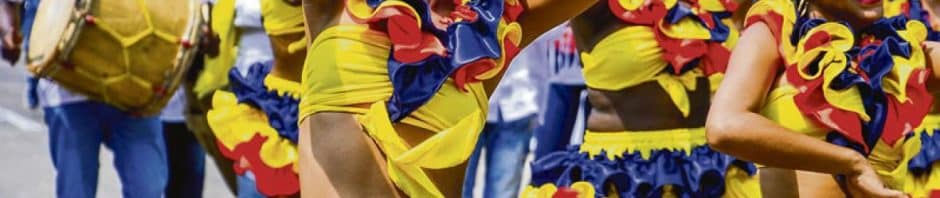
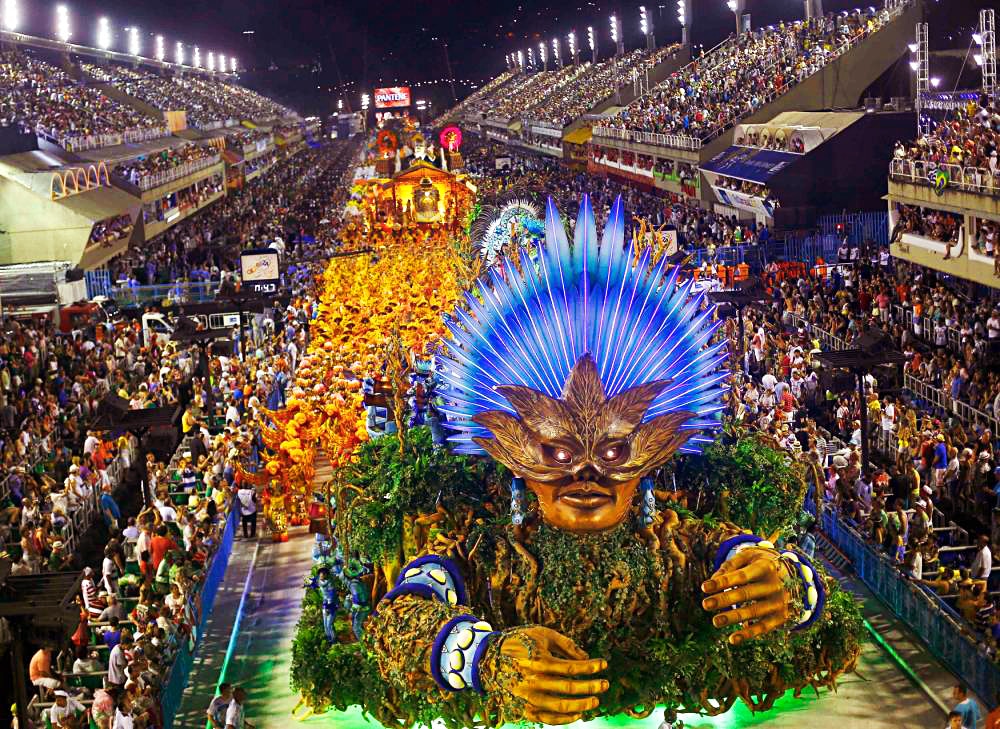
    Starting our cultural expedition in Brazil, we encounter a nation renowned for its infectious energy and festive spirit. Carnival, the world-famous festival held annually in Rio de Janeiro, is a dazzling celebration of Brazilian culture, blending music, dance, and elaborate parades. The pulsating rhythms of samba, accompanied by the vibrant costumes of the dancers, create an electrifying atmosphere that reverberates throughout the streets. Joining the festivities during Carnival is an opportunity to witness Brazil’s passion for music, dance, and communal celebration firsthand.
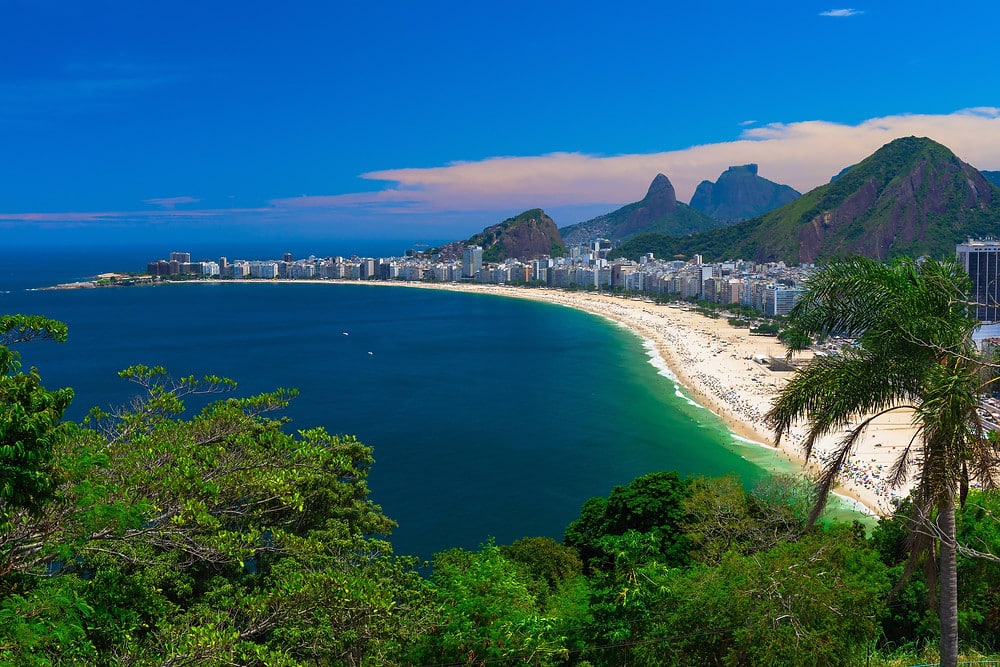
    Rio de Janeiro, Brazil

    Beyond the festivities, Brazil’s cultural landscape extends to its thriving arts scene. In the colorful city of Salvador, the African influence is palpable in the vibrant capoeira performances, a unique blend of martial arts and dance. The historic Pelourinho neighborhood in Salvador is a UNESCO World Heritage site and a hub of Afro-Brazilian culture, where visitors can explore ancient churches, sample traditional cuisine, and immerse themselves in the rhythmic beats of local music.

    Moving south to Argentina, we encounter a country synonymous with passion and romance. Buenos Aires, the capital city, is a vibrant hub of art, theater, and tango. The sultry dance, with its intimate embraces and intricate footwork, captures the essence of Argentine culture. Attend a tango show in one of the city’s milongas (tango clubs) or simply stroll through the neighborhoods and let the melodies of the bandoneon fill the air. Argentina’s cultural heritage also extends to its world-renowned literature and thriving theater scene, making Buenos Aires a hub for artistic expression.

    Delving deeper into Argentina’s cultural tapestry, we encounter the gaucho culture, a reflection of the country’s rural traditions. The vast Pampas region is known for its horseback riding, traditional asados (barbecues), and folklore music. Visitors can immerse themselves in the gaucho way of life, learning about their horsemanship skills and enjoying traditional folk performances that showcase the traditions and legends of Argentina’s rural communities.

    Continuing our cultural odyssey, we arrive in Peru, a country steeped in ancient history and indigenous traditions. The majestic ruins of Machu Picchu, a UNESCO World Heritage site, are a testament to the Inca Empire’s architectural prowess and rich heritage. Exploring the archaeological site offers a glimpse into the ancient Inca civilization and the intricate stone structures that have stood the test of time. Peru’s cultural fabric is also interwoven with the vibrant traditions of its indigenous communities, which can be witnessed in the colorful festivals, traditional clothing, and intricate artwork found throughout the country.

    Peru’s culinary scene is another integral part of its cultural identity, attracting food enthusiasts from around the world. Lima, the capital city, has emerged as a gastronomic capital, boasting a fusion of flavors influenced by indigenous ingredients, Spanish colonial heritage, and immigrant contributions. From ceviche, a refreshing dish of marinated raw fish or seafood, to the flavorful Lomo Saltado, a stir-fry of beef, onions, and tomatoes, Peruvian cuisine is a tantalizing blend of diverse influences that showcases the country’s culinary creativity.

    Venturing to Colombia, we encounter a country on the rise, with a cultural scene that reflects its vibrant and resilient spirit. In the bustling city of Bogota, the capital, visitors can explore world-class museums, such as the Gold Museum, which houses an extensive collection of pre-Columbian gold artifacts. The vibrant street art scene in Bogota’s neighborhoods adds a colorful and contemporary touch to the city’s cultural landscape. Colombia’s rich musical heritage is also on display, with genres such as cumbia and vallenato filling the airwaves and inspiring lively dance performances.

    Colombian cuisine offers a delightful fusion of flavors, drawing inspiration from indigenous traditions, Spanish influences, and Afro-Caribbean roots. From the hearty Bandeja Paisa, a dish featuring beans, rice, plantains, avocado, and grilled meats, to the coastal delicacy of ceviche de camar n, Colombia’s cuisine showcases the country’s diversity and culinary creativity. Don’t forget to indulge in a cup of rich Colombian coffee, known worldwide for its exceptional quality and flavor.

    Our cultural and culinary journey through South America would be incomplete without a visit to the captivating country of Peru. The capital city, Quito, is a UNESCO World Heritage site and a treasure trove of colonial architecture and historic sites. Explore the vibrant streets of the historic center, marvel at the breathtaking views from El Panecillo, and delve into the city’s thriving arts scene. Ecuador’s indigenous heritage is also a significant part of its cultural fabric, with traditional markets in cities like Otavalo offering a glimpse into the vibrant craftsmanship and colorful textiles of the indigenous communities.

    Ecuadorian cuisine is a reflection of the country’s biodiversity and culinary traditions. The coastal region is known for its fresh seafood, with ceviche and encocado, a dish of seafood cooked in coconut milk, being popular choices. In the highlands, traditional dishes such as llapingachos, potato pancakes stuffed with cheese, and locro de papas, a creamy potato soup, are staples. Don’t miss the opportunity to taste Ecuador’s famous chocolate, as the country is renowned for its high-quality cacao beans.
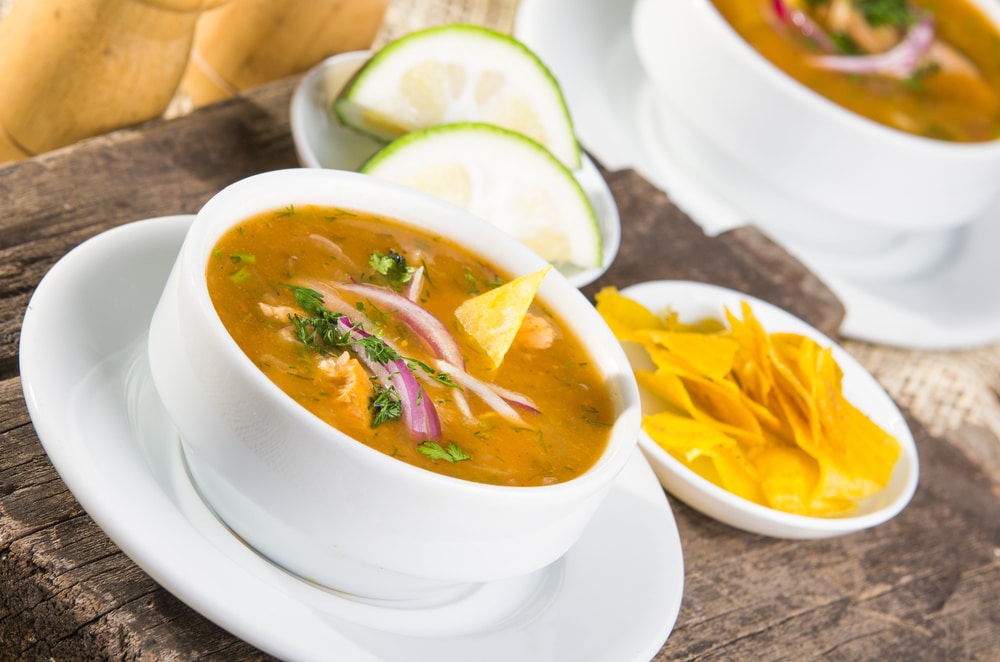
    Ecuador ceviche recipe

    South America is a continent of rich cultural heritage, where traditions are celebrated, artistic expressions thrive, and flavors burst with authenticity. From the passionate dances of Brazil and Argentina to the ancient ruins of Peru and the indigenous traditions of Colombia and Ecuador, South America offers a cultural tapestry that will enchant and inspire. So, pack your bags, open your senses to the rhythm of the music, immerse yourself in the vibrant arts scene, and let the tantalizing flavors of South America transport you on a journey of cultural exploration like no other

    As you delve deeper into South America’s cultural and culinary wonders, here are some additional tips to enhance your experience:

    Attend Cultural Festivals: South America is known for its vibrant festivals that showcase the region’s rich cultural heritage. Plan your visit to coincide with festivals like Carnaval in Brazil, Inti Raymi in Peru, or Feria de Cali in Colombia. These celebrations offer a unique opportunity to witness traditional music, dance performances, and colorful parades that embody the spirit of South America.

    Explore Local Markets: South America’s markets are a treasure trove of local flavors, handicrafts, and cultural experiences. Wander through bustling markets like Mercado Central in Santiago, Chile, or Mercado de San Telmo in Buenos Aires, Argentina. Sample local delicacies, browse handcrafted souvenirs, and engage with vendors to gain insights into the local way of life.

    Take a Cooking Class: To truly immerse yourself in South America’s culinary traditions, consider taking a cooking class. Learn to prepare traditional dishes like feijoada in Brazil, empanadas in Argentina, or ceviche in Peru. Not only will you gain hands-on culinary skills, but you’ll also gain a deeper understanding of the cultural significance of these dishes.

    Visit Indigenous Communities: South America is home to diverse indigenous communities, each with its own unique customs and traditions. Engage in community-based tourism initiatives that allow you to visit these communities, interact with locals, and learn about their way of life. This provides a meaningful opportunity to appreciate the cultural heritage and support local communities.

    Enjoy Live Music and Dance Performances: Music and dance are integral parts of South American culture. Attend live performances of traditional music genres like samba, tango, bossa nova, or Andean folk music. From lively dance clubs to intimate live music venues, immerse yourself in the infectious rhythms and melodies that define South America’s musical traditions.

    Explore Museums and Art Galleries: South America’s museums and art galleries offer glimpses into the region’s history and artistic expressions. Visit renowned institutions like the Museo Nacional de Bellas Artes in Buenos Aires or the Museo de Oro in Bogot to admire indigenous artifacts and stunning art collections. These cultural institutions provide valuable insights into South America’s past and present artistic achievements.

    Engage with Locals: One of the best ways to understand and appreciate South America’s culture is by interacting with the locals. Strike up conversations, ask for recommendations, and embrace the warmth and friendliness of the people. Engaging with locals not only enriches your experience but also fosters cross-cultural understanding and connections.

    Try Street Food: South America is a haven for street food lovers. From savory empanadas to mouthwatering anticuchos (grilled skewers), street vendors offer a plethora of flavors to tantalize your taste buds. Follow the locals’ lead and savor the authentic flavors and culinary traditions found in the bustling street food scene.

    Participate in Cultural Workshops: Many destinations in South America offer cultural workshops where you can learn traditional crafts, dances, or musical instruments. Join a workshop to learn salsa dancing in Colombia, try your hand at making traditional textiles in Peru, or learn the art of capoeira in Brazil. These hands-on experiences allow you to deepen your cultural understanding and actively engage with the local traditions.
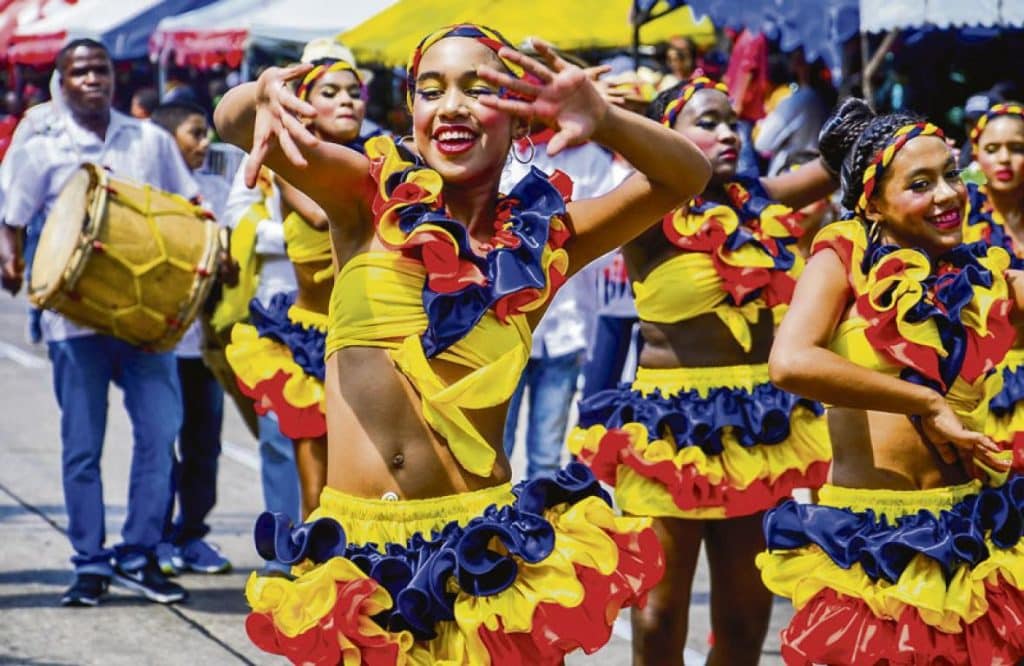
    Colombian salsa dance

    Respect Local Customs and Etiquette: While immersing yourself in South America’s cultural diversity, it’s important to respect local customs and etiquette. Familiarize yourself with basic cultural norms, such as greeting with a kiss on the cheek in many countries, or appropriate dress codes when visiting religious sites. Showing respect for local customs demonstrates your appreciation for the culture and helps create positive cultural exchanges.

    South America’s cultural and culinary riches are waiting to be explored. With an open mind and a desire for discovery, you can embark on a journey that will leave you with unforgettable memories and a deeper understanding of the region’s vibrant cultures. So, embrace the rhythms, savor the flavors, and allow South America to weave its magic on your cultural and culinary adventure. Here you can read more information about South America before your travel.
  • Discovering the Vibrant Cultural Festivals of South America

    Discovering the Vibrant Cultural Festivals of South America

    South America is a continent of unparalleled diversity, where ancient traditions harmoniously blend with modern celebrations. One of the best ways to immerse oneself in the rich tapestry of South American culture is by experiencing its vibrant festivals in person. From colorful carnivals to solemn religious processions, these cultural celebrations offer a unique glimpse into the heart and soul of the continent. In this guide, we’ll take you on a captivating journey through South America’s top cultural festivals that are a must-see for every travel enthusiast.

    1. Carnaval de Rio de Janeiro, Brazil: A Spectacle of Extravaganza:

    One cannot talk about South American festivals without mentioning the world-famous Carnaval de Rio de Janeiro in Brazil. Held annually before Lent, this extravagant carnival is a sensory explosion of colors, music, and dance. Samba dancers bedecked in elaborate costumes gracefully parade through the streets of Rio, accompanied by the infectious rhythms of samba music. The sheer exuberance of the revelry is infectious, and joining in the festivities is an experience of a lifetime. As you witness the glittering floats and vibrant street performances, you’ll understand why Rio’s Carnaval is hailed as one of the greatest shows on Earth.

    2. Inti Raymi, Cusco, Peru: Celebrating the Sun:

    In the heart of the Andes, the ancient Inca tradition of Inti Raymi is kept alive in the city of Cusco, Peru. Inti Raymi, meaning “Festival of the Sun,” is a tribute to the Inca sun god, Inti, and celebrates the winter solstice. The festival takes place on June 24th, and participants dressed in traditional Inca attire perform rituals and ceremonies in the historic Sacsayhuam n fortress. The event culminates with an awe-inspiring reenactment of the Inca emperor’s procession, paying homage to the sun’s life-giving energy. For a glimpse into Peru’s rich indigenous heritage, Inti Raymi is a must-attend festival.

    3. La Feria de las Flores, Medellin, Colombia: A Festival of Flowers and Culture:

    Medell n’s Feria de las Flores, or Flower Festival, is a joyful celebration of the city’s rich cultural heritage and the abundance of flowers that adorn its landscape. Taking place in August, the festival features vibrant parades, dazzling floral displays, and traditional music and dance performances. The highlight of the festival is the Desfile de Silleteros, where local flower farmers carry intricately designed flower arrangements on their backs. The sight of these colorful “silleteros” is a true testament to Colombia’s love for nature and its people’s resilience.

    4. Fiesta de la Tirana, Chile: Dance of the Diablada:

    Deep in the northern region of Chile, the small town of La Tirana hosts one of the country’s most captivating festivals. The Fiesta de la Tirana, also known as the Dance of the Diablada, is a fascinating blend of indigenous Andean rituals and Spanish Catholic traditions. The festival is dedicated to the Virgen del Carmen, the patron saint of Chile, and features vibrant processions, masked dancers, and lively music. The Diablada dance, performed by costumed dancers representing demons, is a symbolic reenactment of the battle between good and evil. For an authentic and mesmerizing cultural experience, the Fiesta de la Tirana is a hidden gem waiting to be explored.

    5. Qoyllur Rit’i, Peru: A Pilgrimage to the Snow Star:

    Deep in the Peruvian Andes, the Qoyllur Rit’i festival is a unique blend of indigenous Andean beliefs and Catholic traditions. Held in May or June, this pilgrimage draws thousands of devotees who trek to the Sinakara Valley to pay homage to the Lord of Qoyllur Rit’i, a sacred image painted on a rock. The festival is a mesmerizing fusion of colorful costumes, traditional music, and rituals performed against the stunning backdrop of snow-capped mountains. As a UNESCO-recognized cultural event, Qoyllur Rit’i offers a rare and authentic glimpse into the spiritual and cultural practices of the Andean people.

    6. Las Llamadas, Montevideo, Uruguay: A Rhythmic Carnaval Celebration:

    While Rio de Janeiro’s Carnaval may be the most famous in South America, Uruguay’s Las Llamadas is equally vibrant and full of energy. Held in Montevideo, Las Llamadas is a rhythmic celebration of African-Uruguayan heritage and the rich history of candombe music and dance. The festival takes place in February and features vibrant parades of drum ensembles, known as “comparsas,” marching through the streets, captivating the crowds with their hypnotic beats and infectious dance movements. Las Llamadas is a captivating testament to Uruguay’s multicultural identity and its deep-rooted connection to African heritage.

    7. Fiesta del Sol, San Juan, Argentina: Celebrating the Sun:

    In Argentina’s northwest, the city of San Juan hosts the Fiesta del Sol, a vibrant festival celebrating the summer solstice. Held in February, this joyous event features a mix of traditional and modern performances, including music, dance, and theater. The festival pays homage to the sun, the source of life and energy, and serves as a tribute to the region’s agricultural heritage. The colorful parades, impressive stage productions, and the crowning of the “Sun Queen” make Fiesta del Sol an engaging and memorable cultural experience.

    8. Festival de la Yuca, La Palma, Venezuela: A Tribute to Yuca:

    In the remote town of La Palma, Venezuela, the Festival de la Y ca celebrates the yuca plant, a vital crop in the region. Taking place in November, this agricultural festival features lively music, traditional dances, and vibrant cultural displays that showcase the importance of yuca in the local culture and cuisine. Yuca, also known as cassava, holds a significant place in the livelihood of the people of La Palma, as it is a staple crop that sustains their daily lives. During the festival, visitors can enjoy delicious yuca-based dishes, participate in traditional games and crafts, and witness the joyful camaraderie of the community as they come together to celebrate their agricultural heritage.

    9. Fiesta de la Candelaria, Puno, Peru: An Andean Carnival Celebration:

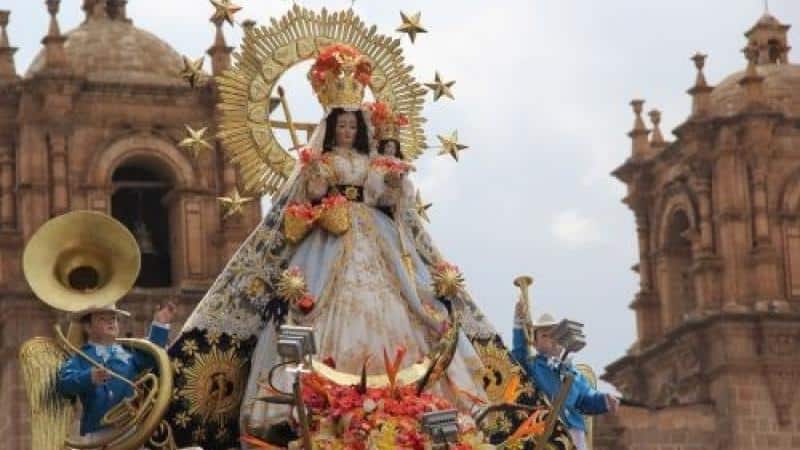
    Puno, located on the shores of Lake Titicaca in Peru, is home to the vibrant Fiesta de la Candelaria, a lively carnival celebrated in February. This festival combines indigenous Andean traditions with Christian religious practices, creating a unique and colorful spectacle. The main event features massive processions of folkloric dance groups, showcasing elaborate costumes and masks that depict a blend of Andean mythology and Spanish colonial influences. The contagious energy and rhythmic beats of the traditional music fill the streets as dancers pay homage to the Virgin of Candelaria. The Fiesta de la Candelaria is a visual feast that offers an unforgettable glimpse into the rich cultural heritage of the Andean region.

    10. Patagonian National Parks Day, Chile: A Celebration of Natural Heritage:

    While not a traditional cultural festival, Patagonian National Parks Day in Chile is an important celebration that honors the country’s stunning natural landscapes. Held on August 30th, this annual event promotes the conservation of Chile’s pristine wilderness and encourages people to connect with nature. Patagonia, with its breathtaking glaciers, towering mountains, and abundant wildlife, is a testament to Chile’s commitment to preserving its environmental heritage. On this day, visitors can enjoy free admission to Chile’s national parks and participate in various outdoor activities, such as hiking, wildlife spotting, and nature workshops. It’s an opportunity to experience the unspoiled beauty of Patagonia and appreciate the cultural value that Chile places on its natural wonders.

    11. Virgen de la Candelaria, Copacabana, Bolivia: A Bolivian Pilgrimage:

    In the Bolivian town of Copacabana, the Virgen de la Candelaria festival is a major religious pilgrimage that draws thousands of devout Catholics from across Bolivia and beyond. Held in early February, the festival pays homage to the revered Virgen de la Candelaria, also known as the Virgin of Copacabana. Pilgrims gather to show their devotion and seek blessings from the patron saint of the region. The festival features colorful processions, traditional dances, and heartfelt ceremonies that reflect the deep spirituality and cultural significance of the event. Participating in the Virgen de la Candelaria is a moving experience that allows travelers to witness the fusion of indigenous Andean beliefs with Catholic traditions in Bolivia.

    12. Festival Internacional de Jazz de Punta del Este, Uruguay: Harmonizing Music and Culture:

    Punta del Este, Uruguay’s glamorous seaside destination, hosts the International Jazz Festival each January, attracting jazz enthusiasts from around the world. This festival is a harmonious celebration of music and culture, with talented jazz musicians performing soulful melodies against the backdrop of the Atlantic Ocean. The event features a diverse lineup of international and local jazz artists, who come together to create an unforgettable musical experience. The Festival Internacional de Jazz de Punta del Este highlights Uruguay’s appreciation for arts and its vibrant cultural scene.

    13. Festival Internacional de Cine de Cartagena, Colombia: A Cinematic Celebration:

    Cartagena, with its stunning architecture and historical charm, serves as the perfect backdrop for the Festival Internacional de Cine de Cartagena (FICCI). Held in March, this renowned film festival celebrates the best of Latin American and international cinema. Directors, actors, and film enthusiasts gather to showcase their cinematic masterpieces and engage in thought-provoking discussions on the power of storytelling through film. FICCI is a cultural melting pot that bridges diverse narratives, uniting people through the universal language of cinema.

    14. Fiesta de la Pachamama, Argentina and Bolivia: Honoring Mother Earth:

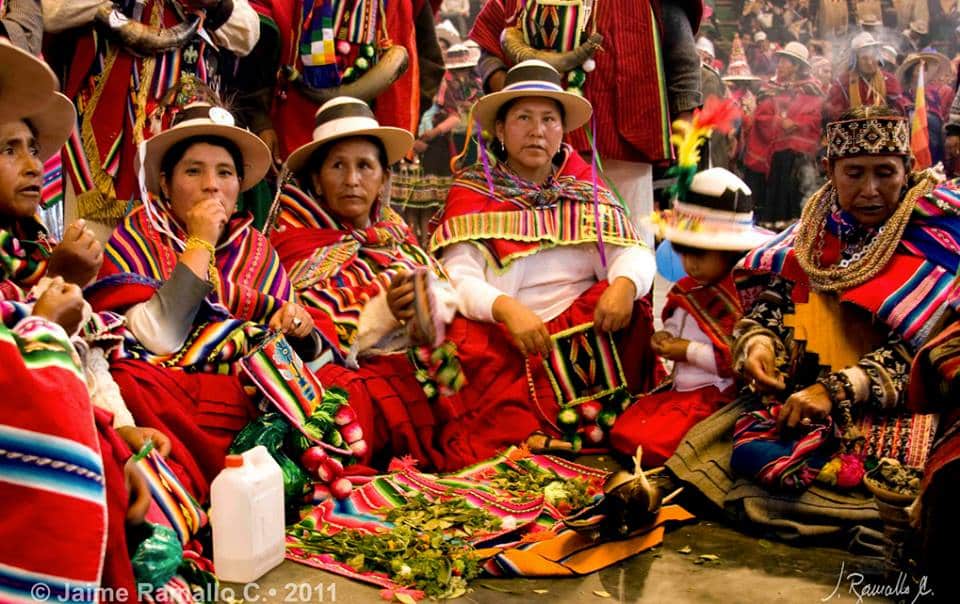
    In the Andean regions of Argentina and Bolivia, the Fiesta de la Pachamama is a traditional celebration dedicated to Pachamama, the Inca goddess of fertility and Mother Earth. The festival takes place in August and involves offerings and ceremonies to thank Pachamama for the abundance of the harvest and to seek her protection and blessings. Participants make offerings of coca leaves, food, and other symbolic items, which are ceremonially burned or buried as a gesture of gratitude. The Fiesta de la Pachamama is a deeply spiritual event that reflects the Andean people’s profound connection to nature and their reverence for the earth that sustains them.

    15. Fiesta Nacional de la Vendimia, Mendoza, Argentina: A Toast to the Grape Harvest:

    In the wine-producing region of Mendoza, Argentina, the Fiesta Nacional de la Vendimia is a joyous celebration of the grape harvest and winemaking culture. Taking place in March, the festival features parades, live performances, and traditional folklore dances that pay tribute to the region’s viticulture heritage. The main event is the coronation of the “Vendimia Queen,” symbolizing the bountiful grape harvest. The festivities also include wine tastings, vineyard tours, and a grand fireworks display, making it a spirited and unforgettable celebration of Argentina’s wine culture.

    16. Vi a del Mar International Song Festival, Chile: The Celebration of Latin Music:

    Every year, during the last week of February, Vi a del Mar becomes the epicenter of Latin music with the Vi a del Mar International Song Festival. This prestigious festival attracts renowned artists from all over Latin America and the world, who compete for the coveted “Silver Seagull” award in various musical categories.

    The Vi a del Mar International Song Festival is an iconic event that has propelled the careers of numerous singers and bands, becoming a platform to showcase emerging and established talents. In addition to the musical competitions, the festival offers a diverse range of entertainment, including dance performances, comedy shows, and cultural exhibitions, making it a captivating celebration of Latin music and entertainment.

    In this article, we’ve explored a selection of South America’s top cultural festivals, showcasing the continent’s diverse cultural heritage and the unique experiences they offer. From the vibrant Carnaval de Rio de Janeiro to the ancient traditions of the Fiesta de la Pachamama, each festival provides a glimpse into the heart and soul of South America’s people and their rich tapestry of traditions. These festivals are not only a celebration of culture but also an invitation for travelers to immerse themselves in the vibrant rhythms, soulful melodies, and profound spirituality that define South America’s unique cultural landscape. Whether you’re a seasoned traveler or someone seeking to experience something new, these cultural festivals promise an unforgettable journey of discovery through the heart of South America’s diverse and enchanting heritage. Our article about the top best beaches in Colombia for your trip.

  • 10 Unforgettable Colombian Caribbean Beaches: Explore Paradise

    10 Unforgettable Colombian Caribbean Beaches: Explore Paradise

    Welcome to the Colombian Caribbean, a tropical paradise renowned for its breathtaking beaches, crystal-clear waters, and vibrant marine life. If you’re a beach lover seeking the ultimate seaside getaway, look no further. In this article, we’ll delve into the best beaches the Colombian Caribbean has to offer, ensuring you make the most of your sun-soaked vacation.

    Playa Blanca, Isla Barú

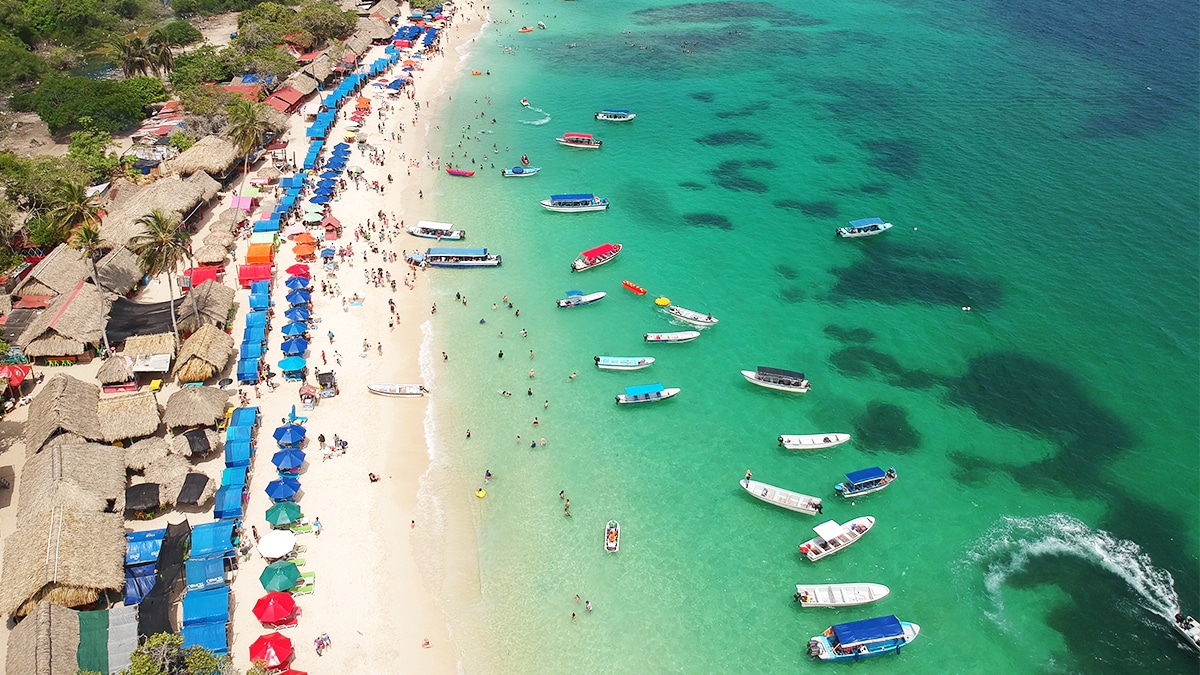
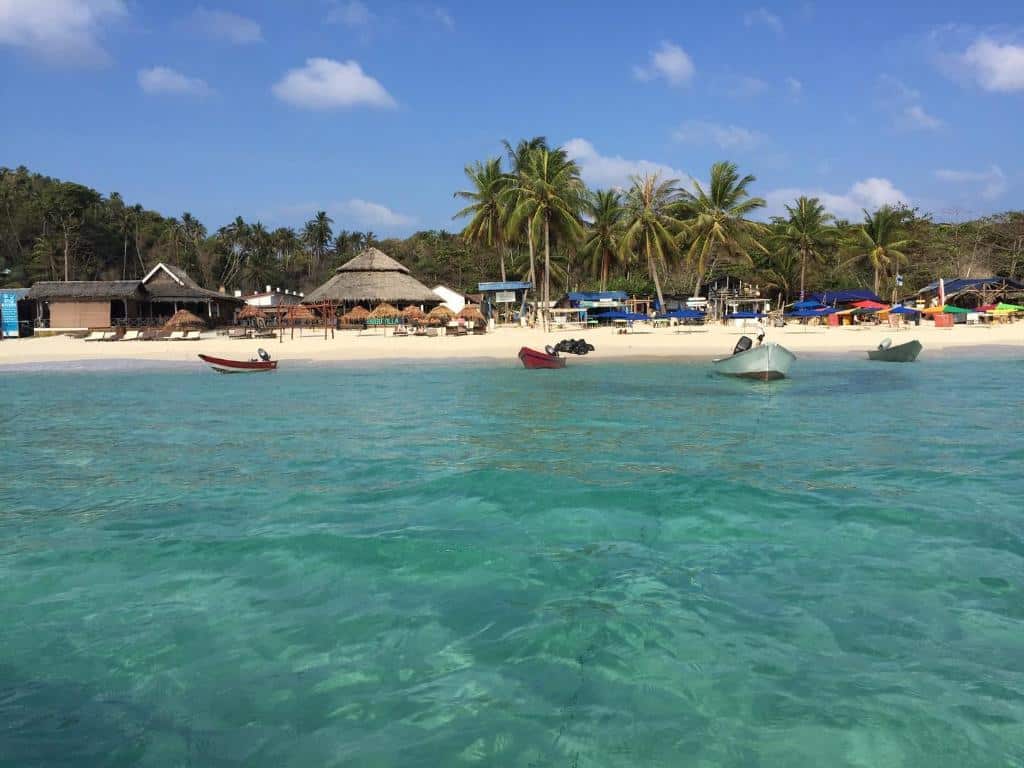
    One of the undisputed jewels of the Colombian Caribbean is Playa Blanca, situated on the picturesque Isla Barú, just a short distance from the historic city of Cartagena. With its powdery white sands and mesmerizing turquoise waters, Playa Blanca epitomizes the quintessential tropical paradise. The beach offers a wide range of amenities, including beachside restaurants serving up fresh seafood, comfortable loungers for soaking up the sun, and exciting water sports activities such as snorkeling and jet skiing. Whether you’re seeking relaxation or adventure, Playa Blanca has something for everyone.

    Playa Blanca Baru Island

    Tayrona National Park

    Tucked away along the captivating coast of the Colombian Caribbean, Tayrona National Park is a natural wonderland that will leave you in awe. This protected area encompasses a diverse range of ecosystems, including lush rainforests, pristine beaches, and ancient archaeological sites. Explore the stunning shorelines of Arrecifes, La Piscina, and Cabo San Juan, where you can bask in the sun, swim in clear waters, and admire the breathtaking scenery. Be sure to take a hike through the park’s trails, where you’ll encounter fascinating wildlife and the fascinating remnants of the ancient Tayrona civilization.

    Palomino

    If you’re in search of a laid-back beach experience, look no further than Palomino, a hidden gem on the northern coast of Colombia. Nestled between the Sierra Nevada mountains and the Caribbean Sea, Palomino offers a serene and tranquil atmosphere, away from the hustle and bustle of more popular tourist destinations. As you stroll along the palm-fringed shores, you’ll be captivated by the untouched beauty of the beach and the breathtaking sunsets. Take a refreshing dip in the ocean, enjoy a leisurely sunbathing session, or venture inland for an exhilarating tubing or river rafting adventure on the Palomino River.

    San Andrés Island

    San Andrés Island is a Caribbean paradise that will steal your heart with its captivating beauty. Located off the coast of Nicaragua, this Colombian territory boasts a unique blend of cultures, pristine beaches, and a vibrant underwater world. Playa de San Luis and Rocky Cay are among the top beaches to explore, with their crystal-clear waters, powdery sands, and vibrant coral reefs teeming with colorful fish. Take a snorkeling or diving excursion to witness the mesmerizing marine life, or simply unwind on the beach and indulge in the laid-back island vibes. San Andrés Island offers an enchanting Caribbean escape like no other.

    Punta Gallinas

    For the intrepid traveler seeking a truly off-the-beaten-path experience, Punta Gallinas is an extraordinary destination on the La Guajira Peninsula. As the northernmost point of South America, this remote and rugged coastal area will leave you in awe of its unparalleled beauty. Prepare to be mesmerized by the contrast between the arid desert-like dunes, towering cliffs, and tranquil turquoise lagoons. The beach itself feels like a hidden oasis, where you can unwind in tranquility and marvel at the dramatic landscapes. Nature enthusiasts and photographers will be captivated by Punta Gallinas’ unique and untouched vistas.

    Cartagena

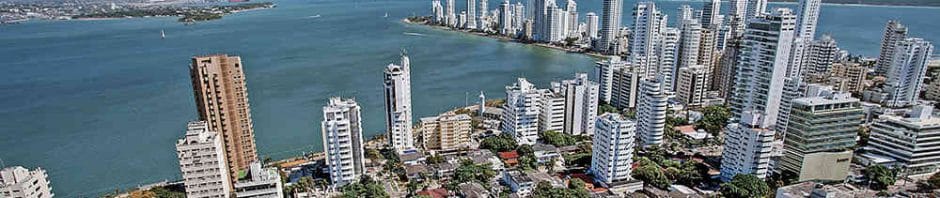
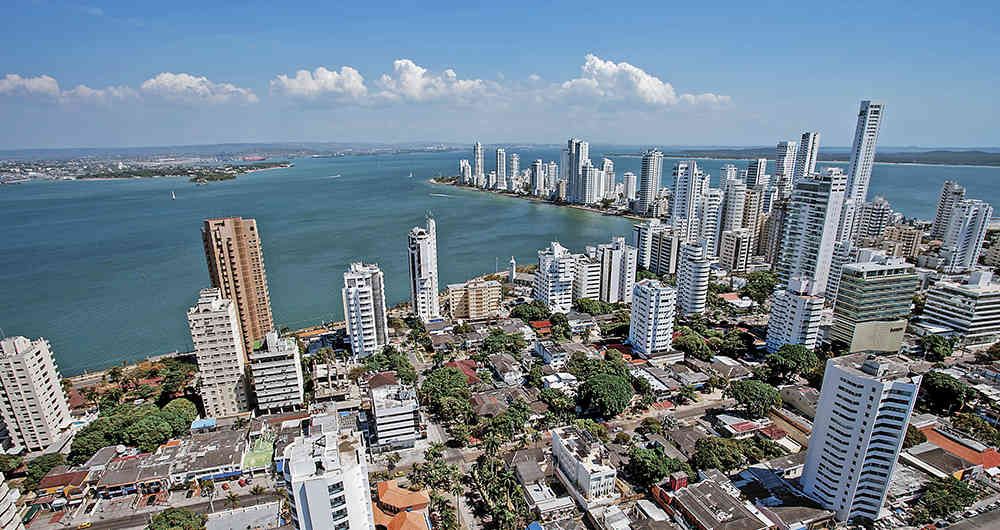
    While Cartagena is renowned for its rich history and stunning architecture, it also boasts beautiful beaches along its coastline. The city offers a unique blend of cultural charm and seaside relaxation. Playa Bocagrande, located in the heart of Cartagena, is a popular spot with its golden sands and calm waters. For a more tranquil beach experience, head to the nearby Playa de Punta Arena or the pristine beaches on the nearby Rosario Islands, accessible by boat. Enjoy the perfect combination of history, culture, and beach bliss in this vibrant city.

    Cartagena, Colombia

    Capurganá

    Situated near the border with Panama, Capurganá is a hidden gem in the Colombian Caribbean. This remote beach destination offers unspoiled natural beauty and a laid-back atmosphere. With its crystal-clear waters and vibrant coral reefs, Capurganá is a haven for snorkeling and diving enthusiasts. Explore the surrounding rainforest, hike to stunning waterfalls, or simply unwind on the tranquil beaches. The absence of cars and the slow pace of life add to the charm of this off-the-beaten-path paradise.

    La Boquilla, Cartagena:
    Located just a short distance from Cartagena’s historic center, La Boquilla offers a unique beach experience where the Caribbean Sea meets the Ciénaga de la Virgen, a vast coastal lagoon. This beach is known for its shallow, calm waters, making it ideal for families with children. Take a boat ride through the mangroves, try your hand at traditional fishing techniques, or indulge in delicious seafood dishes at the local restaurants. La Boquilla provides a glimpse into the vibrant coastal ecosystems and local way of life.

    Playa Grande, Santa Marta

    Santa Marta, a vibrant city on the Colombian Caribbean coast, is a gateway to numerous stunning beaches. Playa Grande, located just a short drive from the city center, is a popular choice for both locals and visitors. This picturesque beach is surrounded by lush mountains, creating a breathtaking backdrop. With its golden sands, inviting waters, and a variety of beachfront accommodations and restaurants, Playa Grande offers a perfect blend of relaxation and convenience.

    Rincon del Mar

    For a truly off-the-beaten-path beach experience, head to Rincon del Mar, a small fishing village on the Caribbean coast. This hidden gem is characterized by its tranquil ambiance, palm-fringed shores, and a welcoming community. Immerse yourself in the laid-back coastal lifestyle, take a boat ride to nearby coral reefs for snorkeling, or enjoy fresh seafood delicacies prepared by the locals. Rincon del Mar offers an authentic Colombian Caribbean beach experience away from the crowds.

    The Colombian Caribbean is a haven for beach enthusiasts, offering an array of remarkable coastal destinations. Whether you seek relaxation, adventure, or a cultural immersion, these beaches have something to offer every traveler. From the pristine sands of Playa Blanca to the untouched beauty of Palomino, each beach presents a unique experience. Tayrona National Park combines nature’s wonders with ancient history, while San Andrés Island enchants visitors with its Caribbean charm. For those seeking a true off-the-beaten-path adventure, Punta Gallinas offers remote and unforgettable beauty.

    Colombia top beaches

    Embrace the allure of the Colombian Caribbean and embark on a journey through its best beaches. With their idyllic landscapes, turquoise waters, and warm hospitality, these beaches promise an unforgettable tropical paradise. Some places to visit in Colombia in your next trip.
    So pack your swimsuit, sunscreen, and sense of adventure, and prepare for a remarkable exploration of the Colombian Caribbean’s coastal wonders.