
From Tango to Glaciers: How to Experience Argentina Like a Local
Argentina captivates international travelers with its dramatic contrasts—from the passionate embrace of tango in Buenos Aires to the pristine silence of Patagonian glaciers. Yet between these iconic experiences lies a vast difference between seeing Argentina as a tourist and experiencing it as a local. The distinction often determines whether you return home with standard vacation photos or with transformative memories that linger for a lifetime.
This comprehensive guide reveals the insider knowledge that separates surface-level tourism from authentic Argentina travel, covering everything from genuine tango experiences to hidden corners of the country’s most famous destinations. These Argentina local experiences require more than guidebook research—they demand the kind of cultural insight that comes from years of navigating the country’s rhythms, relationships, and unwritten rules.
Buenos Aires: Beyond the Tourist Tango
Buenos Aires pulses with tango, but not all tango experiences offer equal authenticity. The divide between tourist-oriented dinner shows and genuine local venues represents perhaps the starkest contrast in Argentine cultural experiences.
The Tourist Trap Reality
Many first-time visitors book tango dinner shows advertised throughout San Telmo and Recoleta. These productions feature professional dancers performing choreographed routines for audiences of fifty or more international guests, accompanied by three-course meals with wine pairings. While these shows demonstrate technical excellence, they present tango as museum pieces—beautiful but behind glass, observed rather than experienced.
The atmosphere in these venues feels manufactured for foreign consumption, with dancers in elaborate costumes performing moves designed to elicit applause rather than expressing the melancholic longing that defines authentic tango. Prices typically range from $80 to $150 per person, and you’ll rarely encounter Argentine locals in the audience except as performers.
Authentic Tango: The Milonga Experience
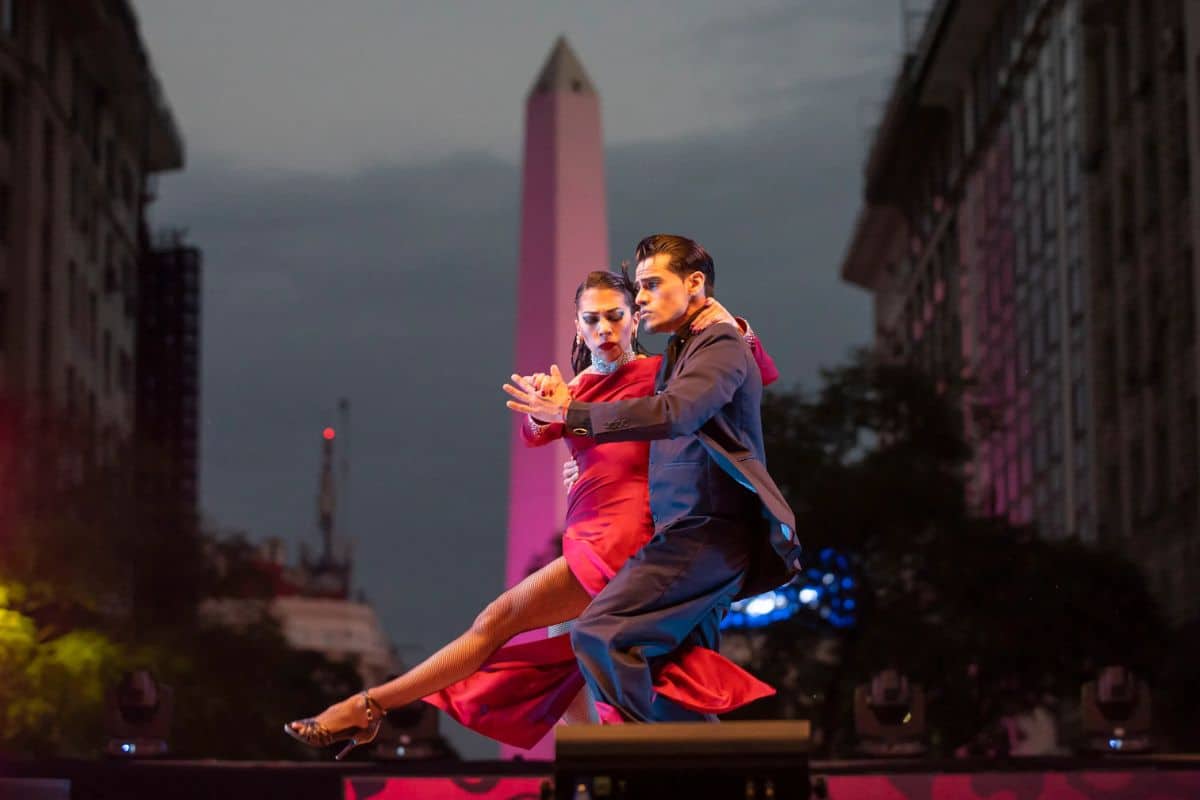
Real porteños (Buenos Aires locals) dance tango at milongas—neighborhood dance halls where the music matters more than the show, and participation trumps observation. These venues open their doors several nights each week, welcoming dancers ranging from beginners to masters who have refined their craft over decades.
Salón Canning in Palermo hosts multiple milongas throughout the week, each with its own character and crowd. Monday nights attract younger dancers experimenting with nuevo tango styles, while traditional milongas on other evenings draw an older generation that dances with the understated elegance of those who learned tango not as hobby but as native language.
The códigos (codes) of milonga etiquette reveal tango’s true social architecture. Dancers use the cabeceo—a subtle nod and eye contact system—to invite partners across the room without the awkwardness of verbal rejection. Dance sets follow a tanda structure of three or four songs, after which couples separate and return to their seats or seek new partners. Between tandas, a cortina (curtain) of non-tango music plays, signaling the transition and giving dancers time to rest.
Arriving at a milonga around 11 PM or midnight puts you in sync with local rhythms. Order a coffee or simple drink, observe the dance floor’s counterclockwise flow, and if you’re brave enough, catch someone’s eye for a cabeceo invitation. Even if you don’t dance, the energy of these authentic Argentina local experiences—the concentration on dancers’ faces, the subtle communication between partners, the way entire rooms seem to breathe together—offers insights into Argentine culture that no staged performance can match.
Villa Malcolm in Villa Urquiza and La Viruta in Palermo represent other excellent authentic venues. These spaces charge minimal entry fees (often $5-10), serve simple food and drinks at neighborhood prices, and welcome curious visitors willing to respect the space’s traditions.
Mendoza Wine Country: Beyond the Big Labels
Mendoza has rightfully earned international recognition for its Malbec wines, but the wine tourism circuit often shepherds visitors through the same handful of large commercial wineries while bypassing smaller producers crafting exceptional wines in the region’s most interesting microclimates.
The Standard Wine Tour Circuit
Most Mendoza wine tours follow predictable patterns: visits to Catena Zapata’s Mayan-inspired pyramid winery, Norton’s historic cellars, and perhaps Ruca Malen or Bodegas Salentein, depending on which tour company you book. These wineries produce excellent wines and offer professional tasting experiences, but you’ll share the experience with bus loads of other international visitors, and the wines you taste are available in wine shops worldwide.
Hidden Gems and Family Operations
The Uco Valley, about 100 kilometers south of Mendoza city, represents Argentina’s most exciting wine frontier. Here, at altitudes reaching 1,500 meters above sea level, small family wineries produce limited-production wines that rarely leave Argentina. Bodega Piedra Negra, Alpasión, and Zorzal Wines operate at this higher altitude, where extreme temperature variations between day and night create intensely concentrated flavors in grapes that ripen slowly under crystalline Andean skies.
Visiting these wineries requires advance planning and often direct contact with the producers. Many don’t accept walk-in visitors or offer scheduled group tours. Instead, they welcome guests by appointment for intimate tastings where the winemaker or owner personally guides you through their wines, explaining not just tasting notes but the philosophy and challenges of their specific terroir.
The conversation shifts from marketing to viticulture. You’ll learn about soil compositions in different vineyard parcels, irrigation strategies in this desert environment, and the decisions that distinguish one vintage from another. These authentic Argentina travel experiences often conclude with shared asados (barbecues) or casual meals where wine and conversation flow together, and you’ll likely leave with contact information for ordering wines that will never appear on international shelves.
In Luján de Cuyo, closer to Mendoza city, small wineries like Monteviejo and Carmelo Patti offer similar intimate experiences. Patti, a legendary figure in Mendoza wine, operates a humble bodega with no marketing budget or distribution network, selling wines directly from his cellar to those who seek him out. Tasting Patti’s Malbec in his simple tasting room while he shares stories from six decades of winemaking creates the kind of memory that transcends the wine itself.
Accessing these Argentina local experiences often requires insider connections—knowledge of which wineries accept visitors, who speaks English, and how to navigate the region’s rural roads. This represents precisely where experienced Argentina travel specialists add value that goes far beyond simple booking services.
Patagonia: Strategic Timing and Hidden Perspectives
Perito Moreno Glacier ranks among Argentina’s most visited natural attractions, drawing hundreds of thousands of visitors annually to witness its massive ice walls and spectacular calving events. Yet the experience of visiting this wonder varies dramatically based on timing, approach, and knowledge of alternative viewpoints that most tourists never discover.
Avoiding the Peak Hour Crowds
Most tour buses arrive at Perito Moreno’s viewing platforms between 11 AM and 3 PM, creating congestion that diminishes the experience. Visitors jostle for position at prime photography spots, the platforms fill with tourist group chatter in a dozen languages, and the glacier’s power gets diluted by the crowds.
Argentines planning authentic Argentina travel experiences take different approaches. Some arrive at the park’s 8 AM opening, when morning light illuminates the glacier’s blue ice and viewing platforms stand nearly empty. The silence allows you to hear the glacier’s voice—the groans and cracks of shifting ice that sound like distant thunder, occasionally punctuated by the explosive boom of calving ice.
Others visit late afternoon, staying until the 7 PM closing during summer months. As tour groups depart, a different quality of light transforms the glacier. The golden hour before sunset warms the ice’s blue tones while long shadows emphasize the glacier’s fractured surface texture. These hours offer not just better photography but a more contemplative encounter with this ancient river of ice.
The Peninsula Approach
Beyond the standard viewing platforms accessible from the main parking area, the Perito Moreno Peninsula offers a less-traveled perspective. A trail system leads to viewpoints at different elevations and angles, some placing you at eye level with the glacier’s face, others climbing to overlooks where the glacier’s scale becomes more apparent. These trails require more effort than the boardwalks most visitors use, which naturally filters crowd density.
The peninsula’s trails also pass through southern beech forests where you might encounter Patagonian wildlife—from colorful Magellanic woodpeckers to curious guanacos—adding natural history context to the glacial experience. Most importantly, these alternative viewpoints often place you alone or nearly so with one of the world’s most impressive natural phenomena, creating space for the quiet awe that such encounters deserve.
El Chaltén’s Dawn Missions
Similarly, El Chaltén’s famous trails to Laguna de los Tres and Laguna Torre receive heavy traffic during midday hours. The trail to Laguna de los Tres, in particular, can feel like a highway during peak season, with hundreds of hikers ascending and descending throughout the day.
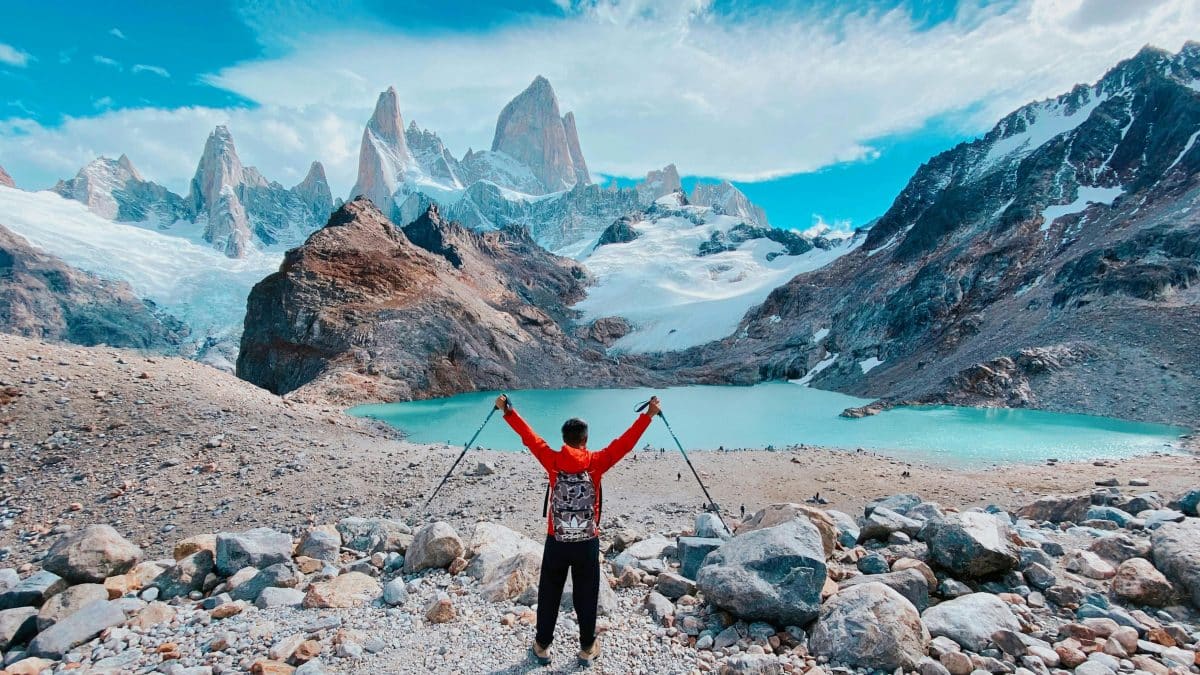
Local hikers know that reaching Laguna de los Tres for sunrise creates an entirely different experience. This requires departing the trailhead around 3 or 4 AM with headlamps, climbing through the darkness to reach the final steep ascent just before dawn. The reward extends beyond avoiding crowds—Mount Fitz Roy at sunrise displays colors and moods impossible during midday. The granite spires catch the first light while still surrounded by shadow, glowing pink and orange against deep blue sky, and if you’re fortunate, the morning’s calm air creates mirror reflections in the glacial lake that disappear once wind rises later in the day.
These Argentina insider tips about timing and alternative approaches transform standard tourist experiences into authentic encounters with Patagonia’s wildness, but they require advance knowledge and the confidence to deviate from standard tour schedules.
Iguazú Falls: The Magic of Full Moon Nights
Iguazú Falls overwhelms with its power during standard daytime visits, but few international travelers know about the park’s special full moon openings—opportunities to experience the falls under moonlight that reveal entirely different aspects of this natural wonder.
The Full Moon Program
On nights surrounding the full moon, Iguazú National Park extends hours for special moonlit walks to Garganta del Diablo (Devil’s Throat). Limited to small groups and requiring advance reservations, these nighttime excursions offer one of Argentina’s most magical natural experiences.
The jungle transforms after dark. Nocturnal wildlife emerges—coatis scurrying across pathways, capybaras grazing near the visitor center, night birds calling from the canopy. The walkway to Devil’s Throat, crowded and chaotic during daytime, becomes intimate and atmospheric under moonlight, with only the sound of rushing water and occasional conversation breaking the night’s stillness.
Reaching the viewing platform over Devil’s Throat under a full moon creates a sensory experience unlike daytime visits. The falls disappear into darkness below while moonlight catches the rising mist, creating ethereal silver clouds that glow against the black canyon. Rainbows form in the mist—not the daytime spectrum but ghostly lunar rainbows called moonbows, subtle arcs of white light that appear and vanish as mist patterns shift.
The scale of water thundering into the abyss becomes more felt than seen, experienced through sound and the mist’s cool touch on skin rather than through visual overwhelming. Many visitors report these moonlit encounters as more emotionally powerful than daytime visits despite—or because of—seeing less in conventional terms.
Strategic Exploration of Both Sides
While most visitors see either the Argentine or Brazilian side of Iguazú Falls based on which country they’re visiting, authentic Argentina local experiences involve seeing both sides strategically. The Argentine side provides intimate access to individual falls and the dramatic confrontation with Devil’s Throat. The Brazilian side offers sweeping panoramic perspectives that reveal the falls’ full scale and create photography opportunities impossible from Argentina’s up-close vantage points.
Rather than cramming both sides into a single exhausting day as many tours attempt, spacing visits across two or three days allows each perspective to resonate. Morning light favors the Brazilian side’s panoramic views, while afternoon light better illuminates many of the Argentine side’s individual falls. Understanding these nuances—and having the flexibility to adjust schedules based on weather—requires either extensive personal research or working with Argentina travel specialists who know these details intimately.
Salta and the Northwest: Off the Beaten Path
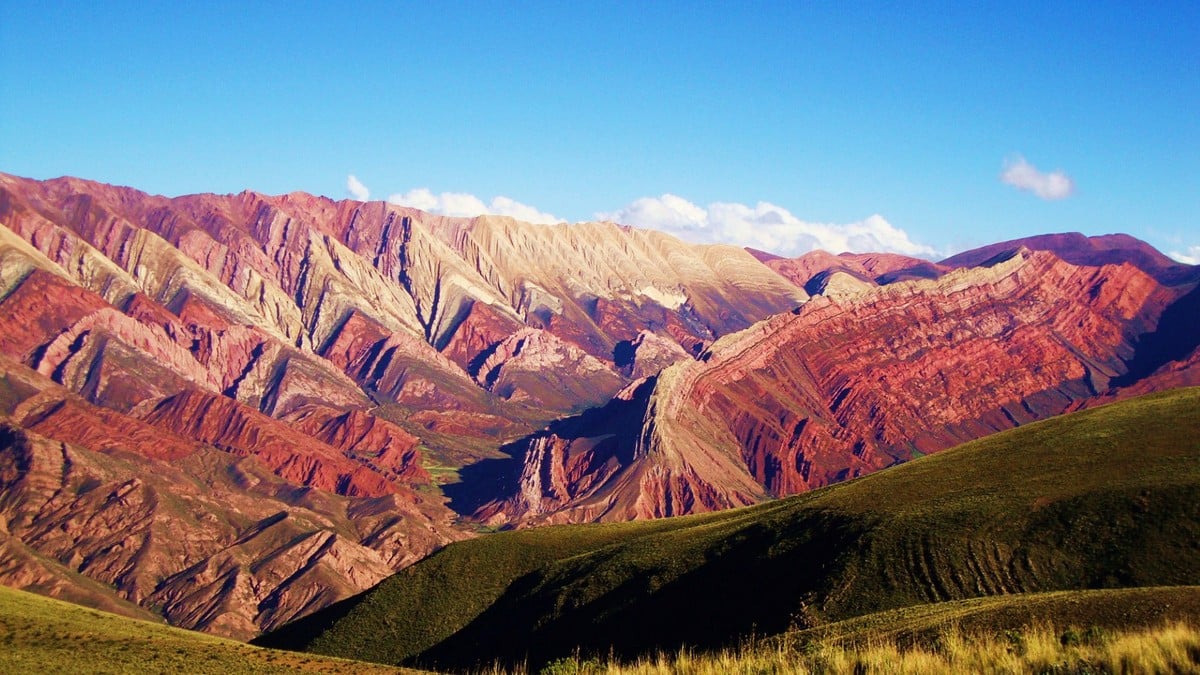
While Salta city and the Quebrada de Humahuaca see substantial tourism, the northwest’s most authentic experiences exist in smaller villages and markets that don’t appear in most international guidebooks.
Sunday Markets and Regional Traditions
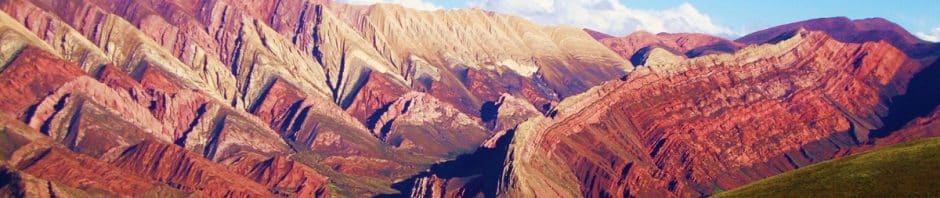
The Sunday market in Humahuaca transforms the town’s main square into a vibrant display of regional handicrafts, produce, and street food. Unlike tourist-oriented markets in Salta city, Humahuaca’s Sunday market serves primarily local residents from surrounding mountain communities. Women in traditional dress sell hand-woven textiles, locals purchase fresh produce and empanadas for the week ahead, and the atmosphere reflects genuine community gathering rather than performance for visitors.
Arriving early, around 8 or 9 AM, allows you to see the market at its most authentic before tour buses arrive midday. Purchasing textiles or ceramics directly from the artisans who made them, practicing basic Spanish to negotiate prices respectfully, and trying local specialties like humitas (corn tamales) or api (a purple corn drink) provides cultural immersion that standard restaurant meals cannot match.
Beyond Cafayate’s Main Strip
Cafayate attracts wine tourists to its main square and well-known bodegas, but the surrounding Calchaquí Valleys hide family wineries and agricultural communities maintaining traditions largely unchanged for generations.
The village of Molinos, about 40 kilometers north of Cafayate, preserves colonial architecture and rural rhythms with minimal tourist infrastructure. Here, locals still work small vineyards and produce regional handicrafts without the commercial polish of tourist-oriented shops. Visiting Molinos’ historic church, walking its quiet streets, and conversing with residents offers glimpses of northwestern Argentina’s authentic character that popular destinations like Cafayate increasingly struggle to maintain.
Similarly, the village of Cachi and the Cuesta del Obispo (Bishop’s Slope) road leading to it provide spectacular high-altitude scenery and indigenous culture encounters far removed from standard tourist circuits. These destinations require longer travel times and more complex logistics, which naturally limits visitor numbers and preserves their authenticity.
The Value of Local Expertise
Reading about authentic Argentina travel experiences differs significantly from accessing them practically. Many of the opportunities described here require advance planning, local connections, timing precision, or cultural knowledge that travelers researching independently often struggle to acquire.
This represents where experienced Argentina travel services like ATN Travel Services provide value that transcends simple booking coordination. With offices in both Buenos Aires and Miami, and registration with Argentina’s tourism authorities, established agencies maintain relationships with small wineries, know which milongas welcome beginners, understand optimal timing for visiting major attractions, and can arrange experiences like full moon visits to Iguazú that require advance coordination.
The difference manifests in details: knowing which bodega owners speak English, having direct contact information for reservation-only wineries, understanding which days different markets operate, or possessing the local knowledge to adjust itineraries based on weather or seasonal variations. These Argentina insider tips accumulated over years of operation create experiences that independent research cannot easily replicate.
Moreover, having local support provides security and problem-solving capacity when challenges arise—missed connections, sudden weather changes, health issues, or simply the need to adapt plans to better match your travel style as it reveals itself during your trip.
Conclusion: Traveling with Intention
Experiencing Argentina like a local rather than a tourist requires more than visiting different places—it demands approaching travel with different intentions. Rather than collecting destinations and photos, authentic Argentina local experiences prioritize quality over quantity, depth over breadth, and connection over consumption.
This means sometimes visiting fewer places but spending more time in each. It involves seeking opportunities for genuine cultural exchange rather than simply witnessing culture as spectacle. It requires flexibility to deviate from plans when unexpected opportunities arise, and the confidence to venture beyond English-language comfort zones into spaces where your presence may be novel but your respectful curiosity is welcomed.
Argentina rewards this approach generously. The country’s size, diversity, and the warmth of its people create endless possibilities for travelers willing to look beyond the obvious and engage with the country on its own terms. Whether you’re standing alone with Perito Moreno Glacier at dawn, dancing your first awkward tango at a neighborhood milonga, or sharing mate with a winemaker in his family’s cellar, these authentic encounters transform Argentina from a destination into an experience that remains with you long after returning home.
The key lies not just in knowing where to go but in understanding how to travel—with respect for local customs, appreciation for cultural nuances, and the wisdom to seek guidance from those who call Argentina home. Professionals like those at atntravelservices.tours have dedicated their careers to sharing its authentic magic through expertly curated Argentina tours for travelers from around the world.


